
Introduction
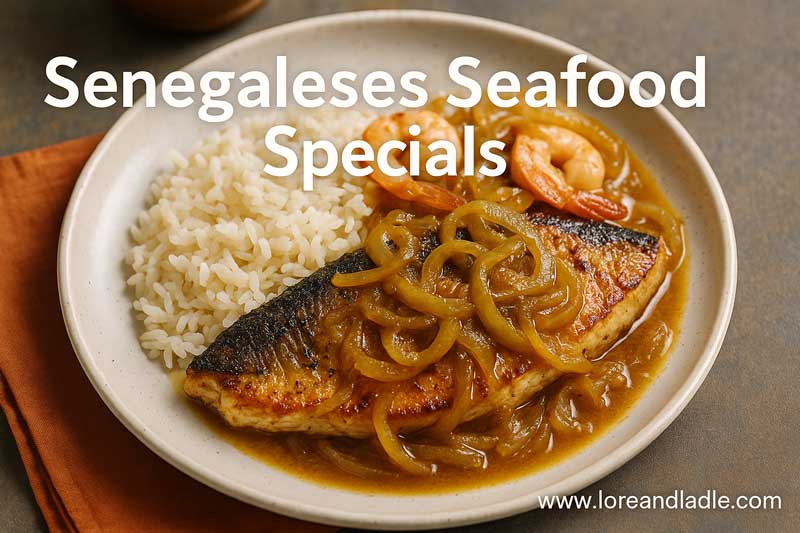
Discover Pan-Seared Fish with Thieboudienne Flavors: A Senegalese Classic Loved in the U.S. This dish blends a crisp, amber crust with the bright, comforting notes of thieboudienne. It honors Senegalese culinary craft while inviting home cooks to explore a familiar texture and Flavor in a new form. The result is inviting, seasonal, and deeply respectful of tradition. In this post, we explore its cultural value and culinary significance, with clear, practical notes for home kitchens.
A Taste of Thieboudienne Roots
Thieboudienne is a beloved Senegalese staple built on two stars: tender fish and fluffy rice. The profile stems from a tomato-based sauce enriched with onions, peppers, and herbs, cooked in a way that draws out depth and brightness. Flavors mingle with lemon or lime juice, garlic, and fresh greens to create a balanced, uplifting finish. When you translate that essence to a pan-seared fish dish, you retain the warmth of the sauce while adding a crisp, caramelized exterior. The result feels like a bridge between home cooking and the vibrant street foods of coastal markets. This fusion highlights how a single dish can express regional freshness, family comfort, and craft.
The Technique: Pan-Seared Fish Meets Rich Tomato-Citrus Sauce
To begin, select a firm, white fish such as snapper, halibut, or cod. Pat the fillets dry and season with salt and a touch of pepper. Sear in a hot, lightly oiled pan until the surface forms a golden crust. Then let the fish finish cooking gently while you build a sauce inspired by thieboudienne. Sauté onions, garlic, and peppers, add crushed tomatoes or tomato paste, and simmer with a splash of stock. Introduce a bright note with lemon juice or tamarind paste for tang, and fold in parsley or cilantro at the end. The dish shines when the sauce is glossy and the fish remains moist inside. In short, the technique blends crisp texture with a soulful, tomato-forward sauce.
The Flavor Profile: Key Ingredients and Balance
The core flavors celebrate balance. Tomato provides sweetness and depth, while citrus adds lift. Fresh herbs give brightness, and garlic and onion supply aromatic warmth. A touch of heat comes from chili or pepper, echoing the vibrant palate of Senegalese cooking. The fish stock or broth enriches the sauce with umami, while a hint of tamarind or citrus zest ties the dish to thieboudienne’s signature tang. Finally, the rice serves as a comforting, absorbent bed that carries the sauce beautifully. Together, these elements create a harmony that feels both familiar and distinct.
Cultural Significance at the Table
This dish honors hospitality and shared meals. In Senegal, food is a language of welcome, and meals are often gatherings that celebrate family, friends, and good fortune. The pan-seared version preserves that spirit by offering a meal that feels celebratory yet approachable. Serving the fish atop rice with vegetables echoes the traditional thieboudienne plate in a singe-pan, easy-to-replicate format. The dish invites conversation about technique, ingredients, and regional variations, while keeping the focus on warmth, generosity, and craftsmanship. It stands as a testament to how a classic flavor set can thrive in new kitchens, enriching everyday routines with a sense of ritual and care.
From Dakar to Dinners in the U.S.: A Culinary Bridge
cooks and chefs in the United States adapt thieboudienne flavors with respect and creativity. The familiar technique of pan-searing makes the dish accessible for home cooks, while the sauce recalls the beloved Senegalese profile. In addition, market availability of fresh fish and peppers makes the dish practical in diverse regions. The result is a culinary bridge: a dish that smiles at tradition while inviting modern technique. This translation preserves cultural flavor and expands palate, encouraging joyful exploration and appreciation of Senegalese culinary artistry.
Cooking Tips to Capture the Essence
- Choose firm, fresh white fish and pat dry for a crisp crust.
- Preheat the pan well and use a light, neutral oil to prevent sticking.
- Build a sauce with onions and garlic first, then add tomatoes and a small amount of stock.
- Balance tang with citrus juice or tamarind paste to echo thieboudienne’s brightness.
- Simmer the sauce until glossy, then finish with chopped herbs for a fresh lift.
- Rest the fish briefly after cooking to keep it moist inside the crust.
- Serve on a bed of fluffy rice with a side of lightly sautéed greens or vegetables.
Serving and Pairings
Pair this dish with simple accompaniments that highlight the main flavors. A fresh cucumber-tennè salad or citrusy slaw adds brightness. Plantains baked or fried lightly provide a sweet counterpoint. A crisp white wine or a light, refreshing beer can complement the dish without overpowering the flavors. Garnish with chopped parsley or cilantro for color and freshness. The goal is balance: let the fish shine, the sauce linger, and the rice stay soft and inviting.
A Respectful Celebration of Craft
Ultimately, this dish is about honoring culinary craft. It celebrates the technique of searing for texture, the art of a bright, tomato-forward sauce, and the joy of shared meals. It invites cooks to explore a beloved Senegalese flavor family in a new format while maintaining a respectful, curious approach to tradition. By embracing the dish, you celebrate not only taste but the beauty of a culinary tradition that touches many tables with warmth, generosity, and grace.