
Introduction
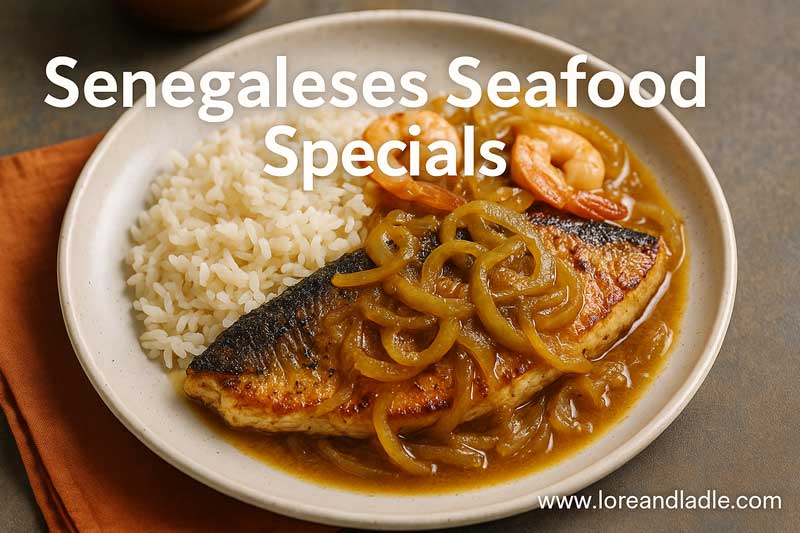
Pairing pan-seared fish with Thieboudienne flavors creates a bridge between two vibrant approaches to coastal cooking. This post celebrates the cultural value of the dish and its culinary significance. You will discover how a crisp, golden fish partners with a tomato-rich, vegetable-laden base. The result is a meal that feels both celebratory and homey. Expect clear guidance, inviting ideas, and respectful admiration for the technique and taste.
The Flavor Landscape of Thieboudienne
Thieboudienne centers on balance. A tomato-forward sauce forms the backbone, delivering brightness and depth. Vegetables add texture and sweetness, while a gentle kiss of herbs ties the dish together. When you smell the simmering sauce, you sense warmth and care. The final plate blends savory, tangy, and herbaceous notes with a comforting rice foundation. This flavor map invites light contrasts, such as a crisp, caramelized fish exterior against the sauce’s smooth richness.
Why Pan-Seared Fish Fits
Pan searing creates a quick, even crust that adds texture and aroma. The Maillard reaction brings a subtle smokiness and a touch of nuttiness. That crust contrasts beautifully with the soft, saucy rice and vegetables. The fish remains tender inside, so its delicate flavor does not overpower the sauce. Together, the pan-seared fish and Thieboudienne-inspired flavors form a harmonious duet: bright, savory, and satisfying in every bite.
Pairing with Drinks
Drinks should lift the dish without overpowering its tomato and herb notes. Consider these options:
– White wines: a Sauvignon Blanc or Vermentino offers crisp acidity and citrus-y brightness that cut through the sauce.
– Light wines or beers: a dry rosé or a simple, pale beer can complement the dish’s balance.
– Non-alcoholic choices: hibiscus tea (bissap) adds a floral tang, while sparkling water with a squeeze of lime refreshes the palate.
– Flavor-aware mixes: citrus-forward mocktails or a splash of ginger elevate the dining experience.
Tips for the pairing process: sip between bites to notice how the lip-smacking crust of the fish and the tangy tomato base respond to each drink. Look for harmony in acidity, body, and aroma. A crisp, clean finish lets the flavors breathe between mouthfuls.
Simple Sides to Round Out the Plate
Choose sides that echo the dish’s freshness and texture:
– Plantains: baked or lightly fried for a sweet-salty counterpoint.
– Greens: sautéed spinach or collard greens with garlic offer a bright, bitter counterpoint.
– Root vegetables: roasted carrots or yams bring warmth and color.
– Citrus slaw: a light slaw with lemon or lime zest adds brightness and crunch.
– Steamed rice or lighter grains: you can keep the rice as a neutral base or mix in a touch of parsley for color.
These sides support the main flavors without crowding the plate, helping every bite feel complete.
Serving Tips and Plate Harmony
Plate with intention. Start with a bed of rice, spoon the tomato-based sauce on top, and nestle the pan-seared fish beside it. Scatter the vegetables for color and texture. Add a lemon wedge or lime zest to brighten the dish at the table. Keep portions balanced so the fish, sauce, and sides each shine. A light drizzle of olive oil on greens or plantains can finish the dish with a silky note.
Cultural Value and Culinary Significance
This pairing celebrates coastal cooking traditions that honor fresh produce, careful technique, and shared meals. The method honors the role of fish in regional cuisine, the importance of a living pantry—tomatoes, herbs, and vegetables—and the joy of bringing varied textures to the table. The approach invites cooks to pay attention to timing, heat, and balance, reinforcing a culture that values hospitality, thoughtful preparation, and a sense of place in the kitchen. The result is a dish that feels timeless yet inviting, encouraging Home Cooks to explore a diverse range of flavors with confidence and respect.
Conclusion
Pairing pan-seared fish with Thieboudienne flavors offers a harmonious, approachable way to celebrate coastal cooking. The combination elevates everyday ingredients into a meal that is both elegant and comforting. Whether you choose wine, a light beer, or a refreshing hibiscus tea, the experience remains grounded in balance, technique, and the joy of sharing good food. Try these ideas and savor how the flavors, textures, and aromas come together to tell a story of culinary care and cultural delight.