
Hook
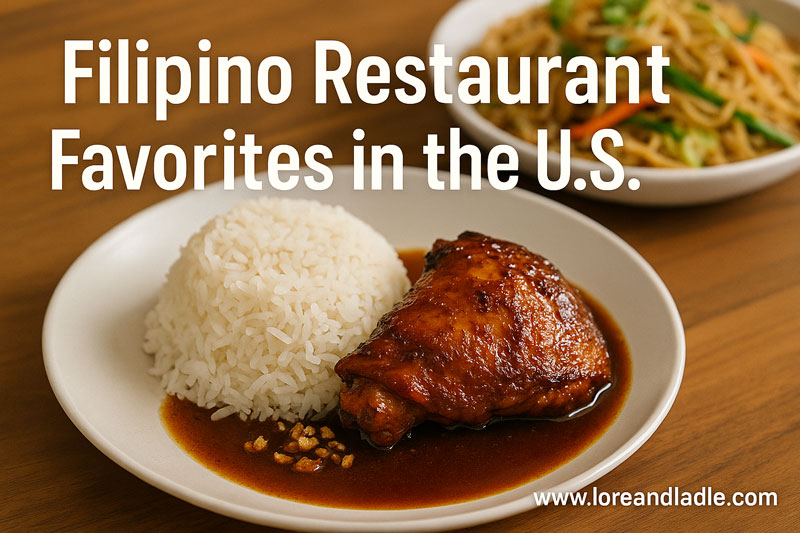
In a sunlit kitchen after a farmers’ market run, a big skillet hums with garlic and onions. A family laughs as a pan of glossy noodles curls around thin strips of vegetables and meat. Why Pancit Noodles Is A Must-Try Filipino Dish Americans are loving rattles softly from a friend as a ladle flicks sauce onto the noodles. The dish arrives at the table vibrant and inviting, its colors telling a simple story of home and care.
Trust Indicator
Jump to Recipe: A quick, clear guide to how Why Pancit Noodles Is a Must-Try Filipino Dish Americans are loving is usually prepared. Core idea: stir-fry proteins and aromatics, add vegetables, toss with noodles, finish with bright citrus and a kiss of soy. The result is a balanced plate with color, aroma, and satisfying texture. The approach is forgiving and adaptable, so it’s easy to customize for different tastes or ingredients. Why Pancit Noodles Is a Must-Try Filipino Dish Americans are loving.
The Deep Dive
Why Pancit Noodles Is a Must-Try Filipino Dish Americans are loving because it blends familiar comfort with fresh, vibrant flavors. The dish centers on noodles—often thin bihon or wider canton—tossed with garlic, onions, soy-based sauce, and a splash of citrus. You’ll notice a pleasing balance: savory depth from soy and caramelized aromatics, brightness from calamansi or lemon, and a gentle sweetness from vegetables like carrot, bell pepper, and cabbage. The textures are lively: tender noodles, crisp vegetables, and bits of protein for chew and bite.
Culturally, pancit is a dish of everyday life. It appears at family meals, Weekend Gatherings, and cheerful potlucks where friends share a table and stories. Long noodles symbolize longevity, so serving pancit can feel like a wish for continued health and happiness. People often customize the mix of meat or seafood and adjust the vegetables to what’s fresh. The dish travels easily from a quick weeknight dinner to a celebratory spread, always inviting conversation and connection.
In daily life, Why Pancit Noodles Is a Must-Try Filipino Dish Americans are loving becomes a shared ritual rather than a single recipe. A simple pantry of noodles, garlic, soy, and a few vegetables can become a dependable favorite. People enjoy it as a one-dish meal, or pair it with a bright side such as a simple cucumber salad or a wedge of lime to brighten the plate. The preparation invites conversation about flavors, textures, and how to balance salt, sweetness, and acidity on any given night. The dish’s versatility makes it a reliable anchor in a busy week, a reason to gather, and a way to celebrate everyday life.
This approach to cooking—open, flexible, and friendly—embodies Why Pancit Noodles Is a Must-Try Filipino Dish Americans are loving. It honors a simple method while welcoming personal touches, from extra garlic crunch to a pop of citrus that lingers on the tongue. The result is a dish that feels both comforting and fresh, familiar yet exciting each time it appears on the table.
The Recipe Card
Why Pancit Noodles Is a Must-Try Filipino Dish Americans are loving
Core ingredients:
– Noodles: bihon (thin rice noodles) or canton (egg noodles)
– Protein: chicken, pork, shrimp, or a combination
– Vegetables: carrots, cabbage, bell peppers, green onions
– Aromatics: garlic and onion
– Sauce components: soy sauce or a soy-based sauce, a touch of fish sauce or salt, a little broth or water
– Bright finishing touch: calamansi or lemon juice, and a pinch of pepper
– Optional garnishes: sliced scallions, fried garlic, sesame oil, or fried shallots
High-level method:
– Sauté aromatic base with garlic and onion to build flavor.
– Add protein and vegetables, cooking until just tender.
– Introduce noodles and sauce, then toss to coat evenly.
– Finish with a squeeze of citrus and fresh scallions for brightness.
– Adjust seasoning to taste and serve with a simple side or garnish.
This compact card captures the core idea behind Why Pancit Noodles Is a Must-Try Filipino Dish Americans are loving: a flexible, flavorful pan of noodles that brings people together with every bite.