
The Hook
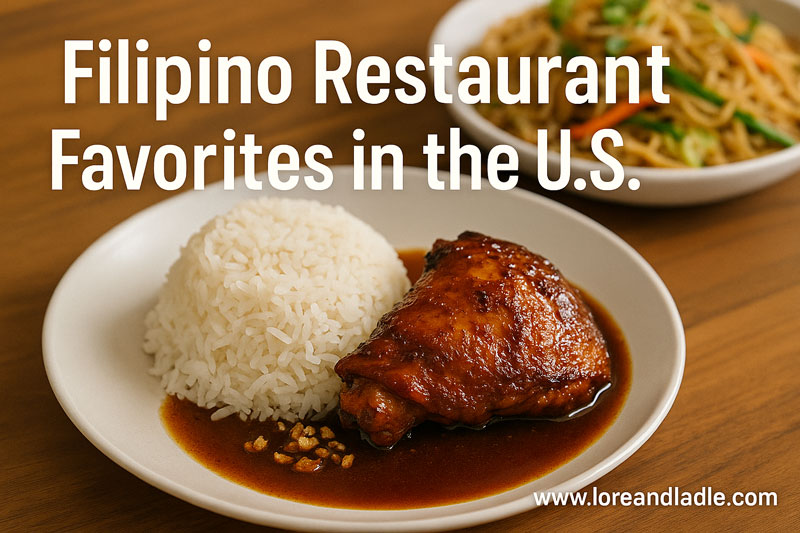
On a sunny weekend morning, a kitchen clock ticks softly while a skillet releases a warm, garlicky aroma. A bowl of pale noodles rests beside bright carrot shreds and emerald-green cabbage. Friends drift in, plates in hand, drawn by the scent and the easy joy of sharing food. Why Pancit Noodles Is a Must-Try Filipino Dish Americans are loving sits in the air as a simple invitation: a dish that wants to be tasted, talked about, and passed around the table. In this moment, the dish becomes more than food; it becomes a small ceremony of everyday life, a reminder that good flavors can be quick, flexible, and comforting.
The Trust Indicator
Jump to Recipe: Why Pancit Noodles Is a Must-Try Filipino Dish Americans are loving is a flexible, quick-stir-fry that many home cooks reach for when they want a meal that feels special without a long, strict process. Core ideas include a balance of noodles with sautéed aromatics, vegetables for crunch, and a protein option that fits what you have on hand. It often comes together in 20 to 30 minutes and adapts to different ingredients, whether you use shrimp, chicken, pork, or tofu. Why Pancit Noodles Is a Must-Try Filipino Dish Americans are loving is approachable, pantry-friendly, and friendly to a busy weeknight or an easy weekend gathering.
The Deep Dive
Why Pancit Noodles Is a Must-Try Filipino Dish Americans are loving highlights a dish that feels bright and satisfying in every bite. The dish shines with a harmonious blend of flavors: savory soy and fish sauces, a kiss of citrus, and a touch of sweetness that comes from caramelized onions or a splash of broth. The textures matter too. Silky noodles mingle with crunchy cabbage and crisp carrot, while tender slices of chicken or shrimp offer a gentle chew. The result is a plate that looks lively and tastes balanced—umami, citrus, and a soft to crisp contrast all at once.
Varieties matter in daily life. Pancit bihon uses rice vermicelli for a delicate, almost cloud-like bite, while pancit canton uses egg noodles for a heartier mouthfeel. In homes across the United States, cooks choose based on what’s in the pantry, what the family enjoys, and how much time they want to spend at the stove. The dish travels well from a busy kitchen to a casual lunch at the table, and its color—pale noodles with ribbons of carrot, green peas, and green onions—adds something cheerful to any table setting.
Where Why Pancit Noodles Is a Must-Try Filipino Dish Americans are loving shows up most clearly is in how people use it to mark occasions. It makes a simple weeknight dinner feel a little festive, yet it still fits a quiet family meal. It also plays nicely at potlucks and casual gatherings, where guests appreciate the dish’s ability to stretch, its bright aroma, and its inviting look. A small squeeze of calamansi or lemon can lift the flavors just before serving, and a sprinkle of chopped scallions adds a fresh finish that looks as good as it tastes.
Non-political traditions surround the dish as well. In many kitchens, pancit is tied to birthday tables because the long noodles are seen as a wish for long life and good health. Families may prepare a big pan to share, then pass portions around with a smile. The dish also appears at weekend get-togethers, where neighbors and friends sample a plate after a friendly game or a long chat over tea. Why Pancit Noodles Is a Must-Try Filipino Dish Americans are loving is kept warm by the idea that sharing this dish strengthens simple bonds—neighbors, friends, and relatives alike.
In flavor terms, the dish invites customization. Some cooks add sliced peppers for color, others stir in a handful of baby spinach at the end, and a few prefer a richer stock or a drizzle of sesame oil to deepen aroma. The flexibility is a part of the charm. Why Pancit Noodles Is a Must-Try Filipino Dish Americans are loving because it welcomes cooks to improvise without losing its character: a savory noodle dish that remains distinctly Filipino in spirit, even as it travels into American kitchens.
This approach—clean lines of flavor, bright textures, and a confident balance of protein, vegetables, and noodles—helps the dish feel both familiar and fresh. It works well for people who enjoy a speedy, satisfying meal and for those who like to layer in their own twists. The result is a dish that respects its origins while inviting personal expression, which is why Why Pancit Noodles Is a Must-Try Filipino Dish Americans are loving continues to appear in home menus and friendly conversations alike.
The Recipe Card
Core ingredients
– Pancit noodles: bihon (rice vermicelli) or canton (egg noodles)
– Protein: chicken, pork, shrimp, or tofu
– Aromatics: garlic and onion
– Vegetables: shredded cabbage, carrots, optional bell pepper or snow peas
– Sauces and seasonings: soy sauce, fish sauce or salt, a splash of chicken stock or water, a little sesame oil
– Finishing touches: calamansi or lemon wedges, pepper, scallions, optional hard-boiled egg
– Cooking fat: oil suitable for high heat
High-level method
– Soften the noodles according to type, then set them aside.
– Sauté aromatics in oil to release fragrance.
– Add protein and vegetables, cooking until just tender.
– Return the noodles to the pan, mix with the vegetables, and season with soy, fish sauce, and stock to reach a savory balance.
– Finish with citrus, pepper, and green onions for brightness and color. The dish should feel cohesive but still light and inviting.
Why Pancit Noodles Is a Must-Try Filipino Dish Americans are loving remains a friendly, adaptable guide: you can tailor the protein, choose bihon or canton, and adjust the citrus and salt to suit your taste. It’s a flexible, dependable dish that fits a quick weeknight dinner, a relaxed weekend meal, or a casual party platter. The result is a plate that looks vibrant, tastes balanced, and invites another helping without fuss. Why Pancit Noodles Is a Must-Try Filipino Dish Americans are loving because it gives home cooks space to cook with confidence while preserving a sense of celebration in every bite.