
Introduction
From Malaysia to America, Penang Assam Laksa invites home cooks to explore a dish that sings of coastal markets, bright herbs, and family rituals. This bowl is more than a meal; it is a living thread in the tapestry of Penang’s food culture. Its bright sourness comes from tamarind, its aroma from herbs, and its heart from a fish broth built with care. The dish shows how a simple recipe can carry memory, technique, and a shared sense of place. In a home kitchen far from Penang, Assam Laksa still speaks with hospitality, inviting neighbors and friends to experience a moment of Penang’s culinary voice. By focusing on its cultural value and culinary significance, we celebrate a dish that connects technique, ingredients, and community.
The Heart of Penang Assam Laksa
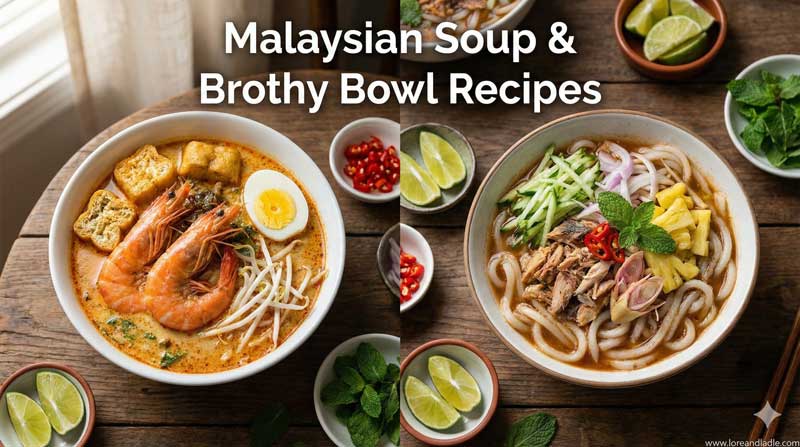
Penang Assam Laksa stands out for its tangy, fish-forward broth and its crisp, refreshing garnishes. The broth begins with a fish stock that captures the flavor of the sea and a sharp sour note from asam (tamarind). This base is brightened with lemongrass, garlic, shallots, and a spice paste that binds the soup to the rest of the bowl. The dish is completed with thin rice noodles and a chorus of textures: cucumber, onion, pineapple, and fresh herbs. Distinctive leaves such as daun kesum (Vietnamese mint) and bunga kantan (pink ginger flower) bring fragrance that is instantly recognizable to Penangese cooks. The result is a balance—tart, salty, slightly sweet, and deeply herbaceous—that speaks to regional flavors and a long tradition of thoughtful layering. This balance is not accidental; it is the product of skill, patience, and a respect for ingredients.
The Flavor Equation: A Balance of Notes
Culinary significance often comes to life in how a dish harmonizes flavors. Assam Laksa achieves its signature profile by blending four notes: sourness from tamarind; a savory, fish-forward depth from the stock or fish; a bright, herbal lift from fresh greens; and a gentle sweetness that comes through pineapple and certain vegetables. The noodles provide a soft, comforting texture that carries the broth without overwhelming it. Each bite invites the eater to notice how a single element—tamarind acidity, herbaceous aroma, or the fish’s umami—shapes the next bite. This precise interplay makes Assam Laksa a dish centered on listening to ingredients and adjusting the balance with care, a reminder of how regional cooking often celebrates listening as much as acting.
Authentic Techniques in a Home Kitchen
In a home setting, authenticity emerges through deliberate steps and careful timing. Start with a clear fish stock, using a mild fish to let the broth glow with brightness. Prepare the paste with dried chilies, shallots, garlic, lemongrass, and galangal, then blend until smooth. Simmer the paste gently to release its fragrance, then add the stock and tamarind to build the signature tang. Keep the broth simmering so flavors meld; strain to achieve a clean, bright liquid. Meanwhile, cook the rice noodles just until tender, rinse briefly, and arrange them ready for serving. Finally, assemble the toppings in bright, inviting rows: cucumber, onion, pineapple, and a handful of herbs. The beauty of real Assam Laksa lies in the sequence—broth first, noodles second, toppings last—so each component shines without crowding the others.
Cultural Value: A Shared Table
The cultural value of Penang Assam Laksa lies in its role as a dish of hospitality and shared meals. It is often prepared with family or friends, turning cooking into collaboration and conversation. The toppings act as a canvas that reflects local markets and seasonal produce, inviting cooks to adapt with what is fresh. Serving Assam Laksa becomes a small ceremony: ladle the hot broth over noodles, lay out the garnishes, and invite others to customize their bowl. In this way, the dish becomes a living practice—a gift of technique passed down, with room for personal touch. It celebrates a sense of place while inviting the Home Cook to bring their own environment into the pot, a bridge between tradition and everyday life.
From Malaysia to America: A Home Cook’s Guide
In America, home cooks can honor Penang Assam Laksa by embracing its core ideas with accessible ingredients. Seek a clean fish stock, and use a simple spice paste with local peppers if needed. For the herbal components, fresh lemongrass, garlic, shallots, and tamarind can be substituted with tamarind paste and a splash of lime juice to balance acidity. If daun kesum or bunga kantan are hard to find, substitute with fresh cilantro and mint, plus a touch of white pepper to mimic aromatic depth. The aim is to preserve the bright, tangy, and herbal character of the dish while allowing flexibility for ingredient availability. This approach keeps the culinary spirit intact—craftsmanship, balance, and an inviting aroma—while making the dish approachable in a Western home kitchen.
Substitutions and Accessibility
To make Penang Assam Laksa practical at home, consider these substitutions: use any light, mild white fish or canned sardines to create the stock; replace bunga kantan with sliced green onion blossoms or a small amount of grated ginger; substitute daun kesum with cilantro and mint if the exact leaf is unavailable. Pineapple can be optional or replaced with a touch more cucumber for brightness. The goal is to maintain the dish’s lively contrasts while making it easy to prepare with commonly found groceries. With gentle adjustments, the essence—the refreshing tang, the fishy depth, and the herbal lift—remains intact.
Pairings and Presentation
Present Assam Laksa in wide bowls to cradle the steam and aroma. Offer extra toppings on the side so guests can finish their bowls to taste. A squeeze of lime adds a final, bright note. Crisp cucumber contrasts with the tangy broth, while fresh herbs release fragrant oils with each stir. If available, serve with a light snack on the side that complements the dish’s acidity, such as crisp vegetables or a small, neutral-tavored cracker. The presentation invites conversation and encourages guests to notice the textures and colors that make the dish inviting.
Conclusion
Penang Assam Laksa embodies cultural value through its careful balance of flavors, its ritual of preparation, and its invitation to share a table. In an American kitchen, a home cook can honor its culinary significance by honoring technique, sourcing fresh ingredients, and using the dish as a doorway to memory and community. This is a recipe that travels well not only in taste but in spirit: a bright, comforting bowl that celebrates Penang’s coastal markets, the craft of broth making, and the joy of cooking together. By embracing its essence, you keep a beautiful tradition alive and welcome friends and family to experience a little taste of Penang in your own kitchen.