
Introduction: A Dish that Radiates Penang’s Flavorful Spirit
Step-by-Step Penang Assam Laksa invites first-time Malaysian Home Cooks to discover a soup that speaks of sea breezes, sunshine, and shared meals. This dish carries the gentle rhythm of Penang’s home kitchens, where family cooks balance sweetness, sourness, and spice to create something luminous and comforting. It is a welcoming plate that honors fresh ingredients, careful technique, and the everyday beauty of cooking together.
Cultural Significance in Penang’s Home Kitchens
In Penang, food is a daily conversation between land, sea, and the kitchen table. Assam laksa is a bright signature that many families learn from elders and then adapt with love. The dish brings friends and family around a single pot of broth, turning cooking into a ritual of care. The balance of tangy tamarind, fragrant lemongrass, and fresh herbs mirrors how Penang blends influences into a cohesive, harmonious taste. Preparing this laksa is more than a meal; it is a celebration of place, memory, and shared time.
The Flavor Palette: Core Elements and Their Cultural Echo
- Noodles: Thin rice noodles form the soft, comforting base. they soak up the bright broth while staying plump and light.
- Broth: A clear, tangy fish broth that carries the sea’s brightness. Fresh fish bones or head create a clean, mineral depth.
- Laksa paste: A fragrant mix of chilies, shallots, garlic, and a touch of shrimp paste. This paste unlocks the dish’s warm, resonant backbone.
- Sour and aromatics: Tamarind water provides the signature sour note; lemongrass, galangal, and pandan-like herbs lift the aroma.
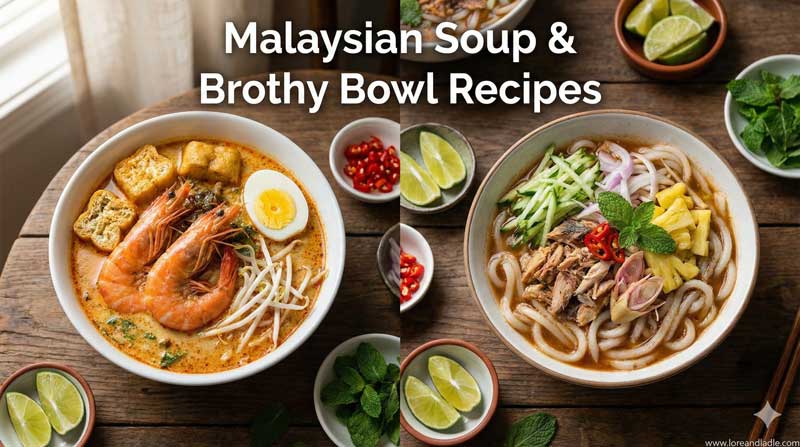
- Fresh greens and toppings: Daun kesum (Vietnamese coriander), bunga kantan (torch ginger), cucumber, onion, pineapple, mint, and lime slices give color, freshness, and balance.
Together, these elements tell a story of coastal markets, home gardens, and the precise care of a cook who respects every ingredient. The dish demonstrates how Penang markets and kitchens transform quick, bright flavors into a lasting, comforting meal.
Step-by-Step Guide: For First-Time Malaysian Home Cooks
This section offers a clear path to a satisfying bowl, with notes on cultural meaning at each stage.
- Step 1: Gather and prep
- Gather fresh fish bones or a small whole fish, tamarind pulp, lemongrass, garlic, shallots, dried chilies, turmeric, galangal, and a small amount of shrimp paste (optional).
- Rinse vegetables: cucumber, onion, daun kesum, bunga kantan, pineapple, and mint.
-
Soak tamarind to extract juice; soak rice noodles briefly to soften.
-
Step 2: Build the fish broth
- Simmer fish bones with water and a pinch of salt. Add chopped lemongrass, galangal, and a slice of onion.
-
Simmer gently until the broth is clear and flavorful. Strain and set aside a bright, moderate stock.
-
Step 3: Make the laksa paste
- Toast dried chilies lightly, then blend with shallots, garlic, and a bit of shrimp paste if using.
-
Grind until smooth and aromatic. A little water helps the paste loosen.
-
Step 4: Lift the broth with the paste
- Stir the laksa paste into the strained broth. Simmer briefly so the paste infuses evenly.
- Add tamarind juice gradually, tasting for a lively balance of sour and bright notes.
-
Adjust salt or a touch of sugar as needed to taste.
-
Step 5: Prepare noodles and garnishes
- Cook rice noodles until just tender; drain.
- Slice cucumber and onion; prepare pineapple strips if desired.
- Rinse daun kesum and bunga kantan; cut into manageable lengths.
-
Shred any fish meat from the broth if you used bones.
-
Step 6: Assemble and serve
- Place a portion of noodles in a bowl. Top with fish shreds and a few greens.
- Ladle the hot, fragrant broth over the noodles.
- Garnish with cucumber, onion, pineapple, daun kesum, bunga kantan, mint, and a lime wedge.
-
Offer chili paste on the side for guests who enjoy extra kick.
-
Step 7: Savor the cultural moment
- Share the bowl with family or friends. Notice how the aroma connects memory and place.
- Acknowledge the balance of sour, sweet, and spicy that characterizes Penang’s coastal cuisine.
Plating, Pairing, and the Social Spirit
Penang laksa shines when served in a welcoming, shared setting. A bright bowl invites conversation, while the crisp garnishes provide textural contrast and color. The act of passing bowls, adjusting garnishes for each guest, and tasting together reinforces a sense of community. This dish is as much about the social ritual as the flavor itself, and that balance is a core part of its cultural appeal.
Practical Tips for a Beautiful Outcome
- Freshness matters: fresh herbs and a bright tamarind sourness lift the entire dish.
- Layer flavors gradually: add tamarind and salt in small increments to maintain balance.
- Respect texture: cook noodles just until tender; keep toppings crisp for contrast.
A Respectful Look at Penang’s Food Voice
Assam laksa is a daily storyteller in Penang kitchens. It embodies the region’s love of fresh ingredients, mindful preparation, and hospitality. By cooking this dish, you join a lineage of home cooks who have refined a bright, comforting bowl that welcomes everyone to a shared table. The result is more than taste; it is a moment of cultural appreciation and culinary belonging.
Closing: An Invitation to Begin
If you are a first-time Malaysian home cook, step into the kitchen with curiosity and care. Let the ingredients guide you. Listen to the simmer, savor the aroma, and enjoy the moment when broth meets noodle. You will not only create a delicious bowl; you will participate in a beloved Penang tradition that honors family, flavor, and the beauty of everyday cooking.