
Introduction
Penang Assam Laksa is a bright, fragrant noodle soup that invites the senses. In Penang, it stands as a celebrated expression of local taste and craft. Across the United States, food lovers discover how this dish blends sharp acidity, savory fish notes, and fresh herbs into a single, memorable bowl. The dish is more than a meal; it is a careful conversation between ingredients, technique, and culture. Enjoyed at markets, in family kitchens, and in dedicated restaurants, Assam Laksa invites curious eaters to explore a tradition rooted in the rhythms of everyday cooking and shared tables.
The Flavorful Core: Broth and Fish
The heart of Penang Assam Laksa is its broth. It foregrounds a tangy, savory depth built from a fish base, typically mackerel, sardine, or another white-fleshed fish. The broth is brightened by tamarind, giving the dish its distinctive sour note. Sweetness from a touch of palm sugar balances the tang, while a gentle heat from chilies keeps the palate engaged. This broth is not a single note but a chorus, inviting diners to listen for layers of aroma and nuance as they sip.
Shredded fish is folded into the soup in a way that preserves its texture and sweetness. The result is a bowl where the liquid and the fish compliment one another, rather than one overpowering the other. In this way, the dish teaches balance: sour, salty, sweet, and savory harmonize to create a refreshing yet satisfying experience. The broth and fish together become a reflection of Penang’s fondness for bright, uplifting flavors that pair well with the tropical climate and bustling street food scene.
The Paste: Penang Laksa Paste as the Backbone
A defining element of Assam Laksa is the laksa paste. This paste is a mosaic of ingredients—dried chilies, shallots, garlic, lemongrass, galangal, turmeric, and often a touch of shrimp paste. Each component contributes aroma and depth. The paste is traditionally ground to a coarse, fragrant finish, then fried in oil to unlock its oils and sweetness. This step is crucial: it releases essential oils and reframes raw ingredients into a ready-to-simmer base.
The paste sets the flavor trajectory for the entire dish. When it hits the hot broth, it blooms with peppery, citrusy, and slightly floral notes. The result is a fragrant foundation that supports the tangy broth and the delicate fish. In the kitchen, the paste represents culinary craftsmanship: patience in grinding, care in toasting, and precision in timing. For many cooks, mastering the laksa paste is a rite of passage that connects them to Penang’s culinary storytelling.
The Assembly: Noodles, Garnishes, and Service
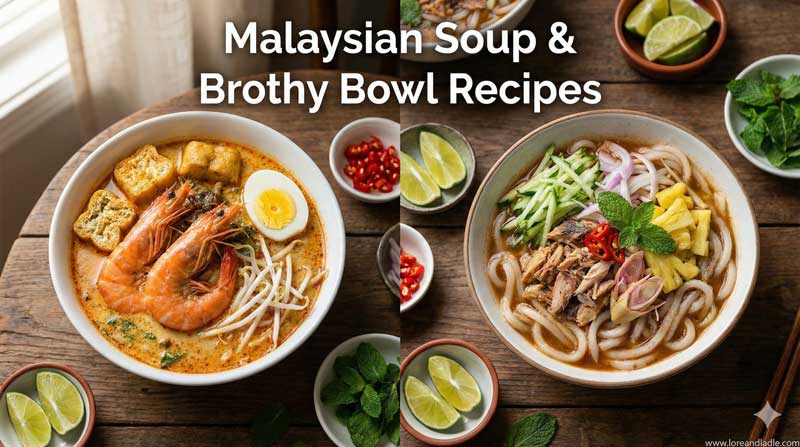
Penang Assam Laksa is assembled with intention, creating texture as well as flavor. The base is a bed of rice noodles or thin laksa noodles, which provide a gentle starch that carries the broth. On top, diners add shredded fish, fresh pineapple, cucumber, and onion slices. Each garnish contributes a crisp contrast: the pineapple offers bright sweetness, the cucumber adds coolness, and the onions bring a sharp bite that wakes the palate.
Herbs and greens are essential. Vietnamese coriander leaves (kesum) and fresh mint bring citrusy, aromatic brightness. A handful of fresh chilies may be added for extra heat. A squeeze of lime or calamansi wakes the dish, while a final shower of shallots or fried onions adds crunch and body. The result is a bowl that offers warmth, cruch, brightness, and balance in every bite. The serving ritual—layering broth over the noodles, then arranging the toppings—creates a sense of anticipation and ceremony, even in casual hawker settings.
Cultural Rhythm: Craft, Community, and Flavor
This dish embodies a cultural rhythm. It is a product of local markets, where cooks adapt techniques to available ingredients and seasons. The skill of the chef shines in the precision of the broth, the fragrance released by the paste, and the balance of garnishes. Assam Laksa is also a shared experience. Families and friends come together to savor the aroma, discuss the precise level of sourness, and compare how different stalls or chefs interpret the paste.
Moreover, Assam Laksa highlights the value placed on freshness. The lemony brightness of herbs, the crispness of vegetables, and the delicate fish all rely on timely preparation. This focus on fresh, vibrant ingredients reflects a broader culinary value: meals that honor ingredients as they are and celebrate the joy of sensory discovery. In Penang’s food culture, the dish acts as a bridge between technique and communal enjoyment, inviting cooks and eaters to appreciate both skill and spontaneity at the table.
Across the United States: Embraced by Food Lovers
In the United States, Penang Assam Laksa appears in diverse settings—from bustling city markets to refined dining rooms. Chefs adapt the dish to local ingredients while preserving its essential character. This openness to adaptation helps the dish reach new audiences without losing its core spirit. For many food lovers, Assam Laksa offers a refreshing departure from heavier soups, providing a bright, agile alternative that pairs well with warm climates and summer menus.
American kitchens often highlight the dish’s balance of textures and flavors. The crisp garnish, the tangy broth, and the soft noodles create a playful sensory journey. Some restaurants emphasize the laksa paste, explaining the steps to recreate the vibrant aroma at Home. Others celebrate the dish through tasting menus or regional variations, showing how a traditional recipe can still feel new and exciting. In every case, the dish earns appreciation for its clarity of flavor, its craft, and its capacity to bring people together around a shared, satisfying bowl.
A Guide to Enjoyment: Tips for a Memorable Experience
- Seek authenticity in broths and pastes: a well-made laksa paste and a clear, bright broth signal careful preparation.
- Pay attention to balance: the most satisfying bowls harmonize sour, sweet, salty, and spicy components.
- Notice the textures: noodles should be tender yet firm, while garnishes provide crisp contrasts.
- Try small differences: some stalls finish with extra lime juice or a minty lift—these touches can elevate the dish.
- Pair thoughtfully: a light, jasmine tea or a citrusy beverage often complements the brightness of Assam Laksa without overwhelming it.
If you are recreating Assam Laksa at home, start with a reliable laksa paste recipe and gradually build toward your preferred level of tartness and heat. Use a good mackerel or another firm fish for the broth, and select fresh herbs and vegetables to mirror the dish’s vibrant balance. The path to a memorable bowl lies in patience, careful tasting, and respect for the ingredients.
A Glimpse into the Kitchen: Technique and Care
Technique matters as much as ingredients. The broth should simmer gently to extract flavor from fish bones and aromatics without becoming murky. The paste is cooked to bloom its aromas, and the finishing garnishes are added with care to preserve their crispness and brightness. Throughout, the goal is to maintain a clean, fresh flavor profile that makes the tanginess feel uplifting rather than harsh.
This attention to process reflects a broader culinary value: quality work yields delightful results. It is not merely about following a recipe; it is about honoring the ingredients, listening to their natural notes, and guiding them toward a harmonious plate. In this light, Penang Assam Laksa becomes more than a dish. It is a practice of culinary mindfulness that can enrich any kitchen or dining room.
Conclusion: A Dish That Celebrates Flavor and Craft
Penang Assam Laksa offers a vivid window into the beauty of traditional cooking and the joy of shared meals. Its cultural value lies in its precise craftsmanship, its balance of bright acidity and savory depth, and its capacity to bring people together to savor a single, remarkable bowl. In the United States, it continues to win over food lovers with its clarity of flavor, its aromatic complexity, and its adaptable spirit. Whether enjoyed at a market stall, a family table, or a restaurant counter, Assam Laksa remains a testament to the power of good ingredients, thoughtful technique, and the simple pleasure of a well-made soup.