
Introduction to a beloved kitchen staple
Beginner’s Roadmap to Perfect home-style Salvadoran chicken and rice plates Every Time invites readers into a kitchen tradition that warms hearts and fills homes with comfort. This dish sits at the heart of Salvadoran home cooking, where family members share bites between stories and smiles. The goal is simple: a fragrant, satisfying plate that tastes like a careful, everyday ritual. Here, flavor, texture, and technique come together in a way that honors the home cook and the table that welcomes friends and loved ones.
What this dish means in Salvadoran cooking
Salvadoran cooking values balance, freshness, and practical skill. A well-made chicken and rice plate showcases a harmony of savory chicken, aromatic sofrito, bright citrus notes, and tender grains of rice. It’s a dish that travels across generations through practice, not through fancy kitchens. In homes and markets alike, the rhythm is the same: begin with good ingredients, respect the pan, and cook with patience. The result is a plate that feels both everyday and special, a meal that invites conversation and gratitude.
Core flavors and techniques you’ll master
The foundation centers on a few dependable elements: a savory chicken, a sofrito base of onion, garlic, and pepper, a flavorful broth, and rice that cooks to a light, separate grain. A touch of color may come from annatto oil or paprika, giving the dish its inviting hue. Fresh herbs, lime or citrus zest, and a hint of cilantro lift the flavors without overpowering them. Technique matters here: brown the chicken to build flavorful fond, bloom the aromatics to release their sweetness, and add rice at the right moment so it absorbs carefully seasoned stock. When done well, every bite balances depth and brightness, reminding you why home-style meals feel so nourishing.
The Beginner’s Roadmap: how to perfect it every time
Follow this approachable path to consistent results, even on busy weeknights:
- First, gather fresh, unblemished ingredients. Choose bone-in chicken for more flavor or boneless pieces for quicker cooking. Have rice, onion, garlic, bell pepper, a small tomato or tomato paste, herbs, and a light stock on hand.
- Next, season the chicken simply with salt, pepper, and a kiss of citrus if you like. Letting it rest a moment improves juiciness.
- Then, brown the chicken evenly in a little oil. This step builds color and a savory base for the sauce.
- After that, make a quick sofrito. Sauté chopped onion, garlic, and pepper until soft and fragrant. Add tomato or tomato paste and cook briefly to deepen the sweetness.
- Add the rice and toast it lightly with the sofrito. This helps the grains hold their shape as they cook.
- Pour in well-seasoned stock, plus a splash of citrus juice if desired. Bring to a simmer, then cover and reduce heat. Simmer until the rice is tender and the chicken is cooked through.
- Finally, taste and adjust. Rest the dish a few minutes off the heat to let flavors settle. Fluff the rice gently and serve with fresh herbs or lime.
With practice, timing becomes intuitive. You’ll learn when to let the stock reduce a touch for richer flavor and when to steam the rice a touch longer for perfect grains. The roadmap is designed to empower beginners while honoring the timeless, comforting soul of the dish.
How to present and share this plate
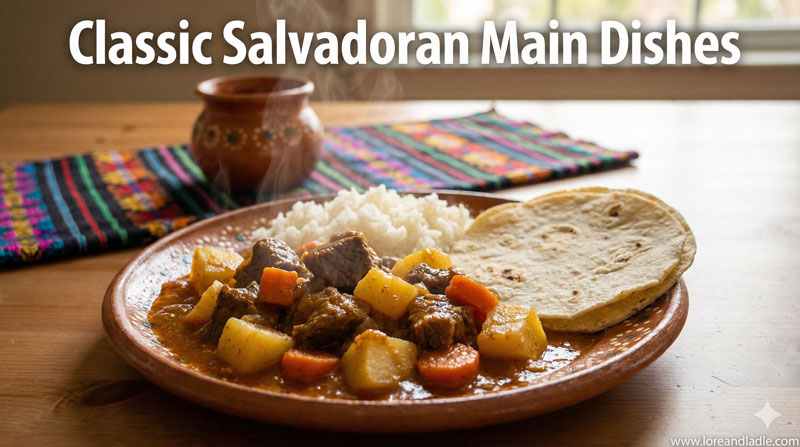
Salvadoran home-style plates shine when shared. A simple, tidy presentation speaks to the care behind the meal. Serve the chicken atop a bed of fluffy rice, spoon a little of the sauce over the top, and add a bright squeeze of lime. A fresh sprig of cilantro or a scattering of chopped parsley gives color and a lift of aroma. Pair with a light salad or fried plantains for contrast. The beauty is in the balance between hearty, savory flavors and clean, fresh notes that brighten each bite.
Ingredient notes and thoughtful substitutions
- Rice: Use long-grain rice for separation, or short-grain rice if that’s what you have. Rinse briefly to remove excess starch for clearer grains.
- Chicken: Thighs stay juicy; breasts cook quickly but can dry out. Use bone-in pieces for deeper flavor if you prefer.
- Aromatics: Onion, garlic, and bell pepper form the backbone. If you have cilantro stems, use them too in the sofrito for added depth.
- Color and aroma: Achiote (annatto) oil or a pinch of paprika adds warm color without overpowering the dish.
- Citrus: Lime or a mild orange note brightens the finish. If you don’t have citrus, a splash of a mild vinegar can mimic that zing in small amounts.
- Stock: A good chicken stock elevates the dish. If you’re short on stock, a quick simmer of water with a pinch of salt and chicken skin or bones can suffice for flavor.
A moment on the table and the culture of sharing
In Salvadoran homes, the act of cooking becomes a way to welcome others. The aroma of onion and garlic, the glow of simmering stock, and the steam rising from the pot tell a story of care. This dish invites conversation, laughter, and a sense of belonging. The “beginner’s roadmap” becomes a shared experience as seasoned cooks mentor newcomers, passing down tips like a favorite family recipe. In this way, the plate is more than food; it is a bridge to daily joy and community.
Final thoughts: celebrating a timeless home classic
This Salvadoran chicken and rice plate honors technique that is accessible, reliable, and deeply comforting. The beginner’s roadmap provides a gentle pathway to mastery, encouraging consistent results without sacrificing home warmth. As you cook, you’ll notice how each step enhances the next—from the sizzle of the chicken to the final, fluffy grains of rice. Embrace the process, savor the aroma, and enjoy the beauty of a dish that belongs to everyday meals and shared tables alike.