
Perfect Somsa – Uzbekistani Rice & Pilaf Specialties Flavor You’ll Love
A Glimpse of Uzbek Culinary Spirit
Uzbek cuisine celebrates warmth, generosity, and careful craft. In every bite of Perfect Somsa, you feel a thread of this spirit. Across cities from Samarqand to Buxoro, somsa appears as a beloved street snack and a cherished home dish. Its pastry pocket holds a savory heart, and its aroma travels through kitchens like a friendly hello. The dish embodies harmony between simple ingredients and patient technique, echoing a broader Uzbek love of balanced flavors and shared meals.
The Art of Somsa Making
The magic begins with dough that is soft yet resilient. Flour, water, salt, and a measured touch create a canvas that sweeps around a fragrant filling. The filling is often a blend of minced meat, onions, and herbs, seasoned with cumin, coriander, black pepper, and mint. Some versions incorporate carrots or greens for brightness. The dough is rolled into a pouch, shaped into triangles or diamonds, and sealed with care. A quick brush of oil and sesame seeds adds a final gleam. Then it bakes in a traditional clay oven, or tandyr, where the high heat gives a crisp edge and a moist interior. The result is a pastry that crackles softly, releasing an inviting steam and a deep, savory scent.
The Flavor Dialogue: Somsa and Plov
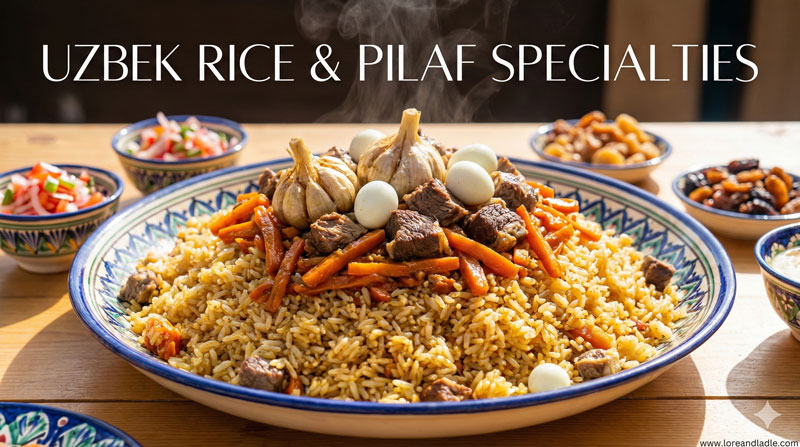
Perfect Somsa often stands beside plov, Uzbekistan’s famous rice and carrot pilaf. The pairing is a celebration of contrasts that feel like conversation. The pastry brings a flaky richness, while the plov offers tender meat, sweet onions, and caramelized carrots. Spices mingle in harmony: cumin and coriander weave through both dishes, tying the flavors together. When you take a bite, you sense the pastry’s crunch giving way to a juicy, herb-laced filling, then you follow with a spoon of fluffy pilaf—rice shining with saffron hues and a whisper of pepper. Together, they create a flavor profile that respects tradition while inviting new tasting moments.
The Tables of Uzbek Hospitality
Food in Uzbek culture is about welcome as much as taste. Somsa appears at family gatherings, market stalls, and festive feasts as a sign of generosity. Sharing a hot somsa signals a warm welcome and a wish for good company. Tea, ayran, or yogurt often accompanies the meal, inviting conversation and leisurely savoring. In this setting, Perfect Somsa becomes more than food; it is a bridge between generations, a common language of care, and a small ceremony of togetherness.
Craft and Culture: A Heritage on the Plate
Each region adds its own voice to somsa. The dough may be a touch thicker here or the filling a bit more herbal there, yet the essence remains: pastry that hugs a flavorful interior, baked to a light, crisp finish. The craft is often passed down through hands that knead, roll, seal, and bake with patience. This hands-on artistry reveals a cultural respect for texture, balance, and timing. For many cooks, making somsa is a ritual that honors family, neighborhood, and seasonal ingredients.
Preservation and Modern Expression
Today, Home Cooks and bakers honor tradition while exploring gentle adaptations. Some use slightly different fillings, while others enrich the pastry with sesame or nigella seeds for a fragrant finish. Yet the core remains consistent: a pocket of savory warmth that celebrates rice and pilaf as complementary flavors in the larger tapestry of Uzbek cuisine. This continuity invites curious eaters to taste history in a single bite and to appreciate how time-honored methods stay vibrant in contemporary kitchens.
Closing Thoughts: The Flavor You’ll Love
Perfect Somsa offers more than a satisfying bite. It invites you to slow down, to notice the pastry’s crunch, the filling’s aromatic herbs, and the comforting aroma that fills a room. It is a flavorful invitation to explore the rich culture of Uzbek cooking, where every meal can feel like a small festival. By savoring this dish, you discover a graceful balance between tradition and taste, a tribute to hospitality, and a lasting bridge between home kitchens and shared table moments.