
Introduction
Perkedel Potato Fritters and Other Weeknight Indonesian Dishes Loved in America offer a warm invitation into Indonesian home cooking. This post highlights the cultural value and culinary significance of perkedel, a humble potato fritter, and explains why these weeknight dishes resonate with American kitchens. The focus is on flavor, technique, and the everyday beauty of sharing a simple meal with care.
Perkedel: A Snapshot of Indonesian Home Cooking
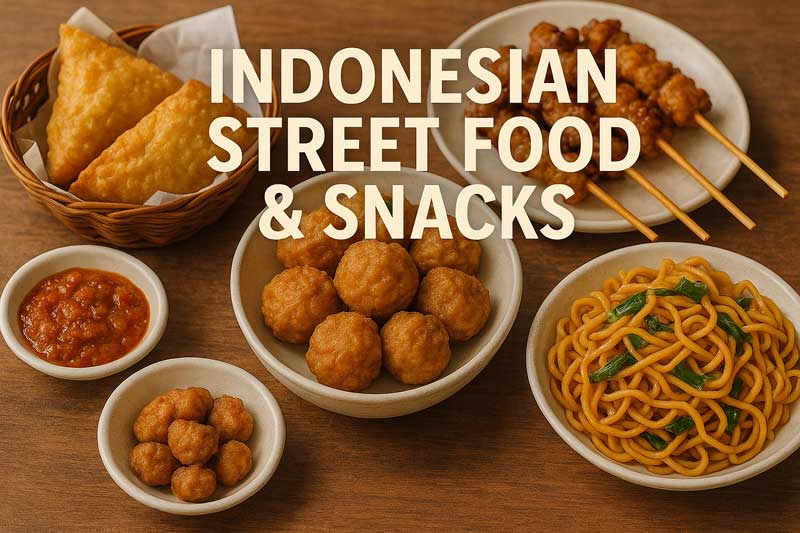
Perkedel, or Indonesian potato fritters, are a favorite in many households. They start with mashed potatoes blended with aromatics such as onion, garlic, and scallions, then bound with egg and a light touch of flour or starch. The fritters fry to a crisp exterior while remaining tender inside. This balance—crisp outside, soft inside—exemplifies a key quality in Indonesian home cooking: simple ingredients, careful technique, and a comforting finish. Perkedel sits at the crossroads of pantry creativity and familiar flavors, making it a reliable weeknight option that feels both celebratory and everyday.
The Craft: Ingredients and Technique
The beauty of perkedel lies in its straightforward method. Mash boiled potatoes until smooth, then mix in minced shallots or onions, garlic, a pinch of white pepper, and chopped scallions. A binding agent, usually an egg, helps the mixture hold together as you shape small patties. A light coating of flour or a touch of cornstarch adds structure. Fry slowly in oil until the outer crust turns golden. The result is a fritter with a soft, steaming interior and a golden, crisp edge. The technique rewards patience: resting the mixture briefly helps the flavors meld, and moderate heat prevents the exterior from browning too quickly before the inside is fully cooked.
Pairing ideas deepen the culinary experience. A dab of sambal or a drizzle of kecap manis (sweet soy sauce) brings a gentle heat and caramel sweetness that echo Indonesian flavor profiles. Fresh herbs or a squeeze of lime can brighten the dish, offering a balance between comfort and freshness. The method is accessible for Home Cooks, yet the outcome feels thoughtful and layered, a hallmark of Indonesian weeknight cooking.
Cultural Value: Family, Hospitality, and Everyday Joy
Perkedel embodies a spirit of everyday hospitality. It is the kind of dish families prepare together to Share a meal, celebrate a small achievement, or simply enjoy a cozy evening at Home. The act of forming patties with hands creates a tactile link between cook and kitchen, a ritual as old as home cooking itself. This dish invites conversation, laughter, and a sense of togetherness, turning a simple weeknight into a moment of connection.
In Indonesian culture, meals often center on balance and harmony of flavors and textures. Perkedel contributes texture, aroma, and heartiness to a table that welcomes family and friends. Its versatility mirrors the Indonesian pantry—potatoes as a neutral canvas that adapt to regional tastes and seasonal ingredients. By embracing this versatility, perkedel becomes a canvas for personal touches, whether a pinch of nutmeg for warmth, a handful of herbs for brightness, or a preferred dipping sauce for customization.
Culinary Significance: Texture, Balance, and Adaptability
The culinary significance of perkedel is rooted in its technique and its role in a complete meal. The crispy exterior contrasts with a soft interior, creating a satisfying mouthfeel that complements both rice dishes and noodle plates. This contrast is a valued principle in many Indonesian preparations, where texture enhances flavor and invites lingering at the table.
Perkedel also demonstrates culinary adaptability. It welcomes a wide range of ingredients while preserving its core identity. Some versions include corn kernels for sweetness, or a small amount of minced meat for depth. This adaptability makes perkedel a versatile choice for weeknights, enabling cooks to use pantry staples without sacrificing taste or cultural essence. The fritter can be a side dish, a starter, or a light main when paired with vegetables, rice, or a flavorful sauce.
Weeknights and America: Dishes Loved in America
In American kitchens, perkedel and other Indonesian weeknight dishes are valued for their ease, speed, and comforting flavors. The dishes align with busy schedules while offering a sense of culinary exploration. Perkedel’s straightforward technique makes it accessible for cooks of all skill levels, yet the result feels special enough to share with family and friends. The appeal lies in nurturing warmth—aromas from frying, the familiar comfort of mashed potatoes, and the bright counterpoints from onions and herbs.
The concept of “weeknight Indonesian dishes loved in America” reflects a culinary dialogue. Home cooks bring Indonesian flavors into everyday routines, adapting techniques and ingredients to local markets while maintaining the essence of the dishes. This exchange highlights how food can be both soothing and exciting, offering dependable weeknight options that still feel vibrant and distinct.
Other Weeknight Indonesian Dishes Loved in America
Weeknights become inviting when Indonesian staples join the menu. Dishes such as Nasi Goreng (fried rice) and Mie Goreng (fried noodles) showcase speed, flavor, and balance. Soto Ayam (chicken soup) provides warmth and nourishment with clear broth, herbs, and tender chicken. Gado-Gado (vegetable salad with peanut sauce) offers fresh textures and a creamy, nutty dressing that ties vegetables into a satisfying meal. Each dish brings a piece of Indonesian culinary tradition to the table, proving that quick, weeknight-friendly cooking can be deeply flavorful and culturally rich.
These dishes share a common thread: they are practical, flavorful, and memorable. They teach techniques—stir-frying, gentle simmering, balancing sweet, salty, sour, and spicy notes—that are valuable across many kitchens. When American home cooks try these dishes, they gain a broader appreciation of Indonesian flavors, while keeping weeknights manageable and delicious.
Serving Traditions and Pairings
Serving Indonesian weeknight dishes often emphasizes balance and shared pleasure. Perkedel pairs well with steamed rice, a simple sambal, and a crisp cucumber salad for a refreshing counterpoint. Nasi Goreng may be topped with a fried egg and served with prawn crackers and a bright pickled relish. Mie Goreng can feature vegetables that offer color and crunch, alongside a savory sauce that sticks to the noodles. In all cases, the emphasis is on harmony: a little heat, a touch of sweetness, and a satisfying texture.
When presenting perkedel, consider textures and temperatures. A plate that contrasts hot fritters with cool, crisp vegetables can heighten the dining experience. Small bowls of dipping sauces invite guests to customize their bites, inviting conversation and shared tasting.
Final Thoughts
Perkedel Potato Fritters and Other Weeknight Indonesian Dishes Loved in America celebrate the beauty of everyday cooking. They show how a simple ingredient—potato—can become a carrier for cultural flavor, family memory, and culinary technique. The dish’s appeal rests in its approachable method, its comforting texture, and its ability to bring people together around a modest, well-prepared meal.
As you explore perkedel and its companions, you may discover a deeper appreciation for Indonesian flavors and the joy of preparing weeknight meals with care. The result is not only nourishment but also a quiet celebration of home cooking, shared across kitchens and generations. The dishes prove that cooking can be both familiar and adventurous, a delicious reminder that good food can be a gentle bridge between everyday life and the rich tapestry of Indonesian culinary tradition.