
Pisang Goreng: A Golden Indonesian Favorite
Pisang Goreng, or fried banana, is a beloved Indonesian treat enjoyed at Home and in markets. It captures a simple truth: beautiful flavor can come from everyday ingredients treated with care. In America, families discover its warm sweetness as a comforting snack or a dessert that pairs well with tea or coffee. The dish invites curiosity and invites shared bites. Each bite blends a crisp, lightly sweet crust with a tender, fragrant center. This balance makes Pisang Goreng a go-to example of Indonesian street-inspired cooking brought into daily life.
The Simple Craft Behind a Crispy Bite
The beauty of Pisang Goreng lies in its straightforward technique. First, ripe bananas stand at the center—soft and sweet, ready to surrender to heat. Next, a light batter coats them, often made from flour, a touch of water or milk, and a pinch of salt. Some cooks whisk in a little egg or cornstarch for extra crispness. Then, the coated bananas dive into hot oil until the crust turns a rich gold. Finally, they rest briefly on paper to shed excess oil and stay crisp. The result is a snack that feels both humble and refined, with a crisp shell that gives way to a warm, banana-sweet core. This technique shows how careful heat, simple ingredients, and balance between texture and aroma create lasting pleasure.
Cultural Value: Everyday Joy and Sharing
Pisang Goreng embodies everyday joy. It appears as a quick treat after school, a comforting addition to family meals, and a familiar street-side aroma on market days. The dish travels from home kitchens to bustling stalls, linking people through shared tastes and memories. Its popularity rests on accessibility: ripe bananas are common, batter is easy to mix, and frying is a familiar kitchen technique. In homes and in small eateries, Pisang Goreng becomes a small ceremony of care—proof that simple steps can yield delightful moments. The dish celebrates warmth, togetherness, and the joy of eating something both familiar and exciting.
Weeknight Favorites: Nasi Goreng and Mie Goreng
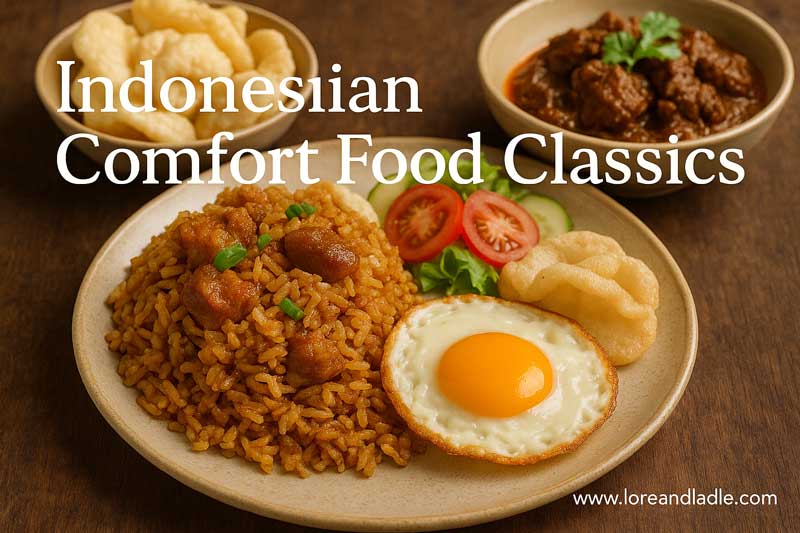
Beyond Pisang Goreng, Indonesia offers weeknight dishes that Americans increasingly cherish. Nasi Goreng, a fragrant fried rice, turns leftovers into a comforting main course. Garlic, shallots, and sweet soy glaze the rice, while a choice of egg, chicken, shrimp, or vegetables adds heartiness. The dish shines with balance: savory depth from soy sauce, a hint of sweetness, and a pop of freshness from green onions or cucumber. Mie Goreng, the fried noodles, follows a similar spirit with springy noodles and a glossy finish. These dishes demonstrate how simple techniques—stir-frying, quick heat, and careful seasoning—transform everyday ingredients into satisfying meals. They celebrate a kitchen rhythm that is adaptable, satisfying, and deeply rewarding.
Other Beloved Weeknight Dishes in America
Indonesian weeknight favorites reach American tables in several forms. Ayam Goreng, or fried chicken, offers a crisp, spice-kissed bite that pairs well with rice and a bright dipping sauce. Soto Ayam, a comforting chicken soup, brings warmth with turmeric, lemongrass, and herbal brightness. Bakso, the beloved meatball soup, offers a quick, nourishing option any night of the week. Rendang, a slow-cooked beef dish, appears as a richer option for Weekend evenings but can also light up weeknights with careful pacing and gentle simmering. Each dish adds a distinct texture and aroma to the week, showcasing Indonesia’s diverse approach to flavor, aroma, and meal structure. Americans savor these options for their reliable satisfaction, clear flavors, and the sense of home they bring to a busy week.
The Flavor Palette and Techniques
Indonesian weeknight cooking often blends sweet, salty, and aromatic elements with careful technique. Sweet soy sauce and a hint of sugar bring warmth to fried rice and noodles while garlic, shallots, and chilies add brightness and depth. Fresh herbs, lime or lemongrass, and a splash of coconut milk or stock can lift a dish into comforting complexity. Frying, quick stir-frying, and gentle simmering are the core methods that define many weeknight meals. This combination of technique and flavor teaches how structure and seasonality work together to create dishes that feel both effortless and well-crafted. The result is a cuisine that proves everyday cooking can carry ceremonial charm and everyday elegance at once.
Pairings, Roles, and Everyday Enjoyment
In American kitchens, these Indonesian dishes invite experimentation and respect. Cooks pair Nasi Goreng with a crisp fried egg on top, while Mie Goreng welcomes a scatter of vegetables for color and texture. Pisang Goreng becomes a sweet finish or a cozy afternoon bite alongside tea. These pairings reveal how culture can travel through taste, adapting to local markets and personal preferences while preserving core flavors. The dishes also encourage mindful sourcing: ripe produce, fresh herbs, and pantry staples become the bridge between Indonesian technique and American pantry realities. The result is approachable, friendly, and deeply flavorful weeknight cooking.
Conclusion: A Living Tradition in Everyday Meals
Pisang Goreng and the broader family of Indonesian weeknight dishes offer more than sustenance. They provide a language of comfort, craft, and connection. The crisp bite of Pisang Goreng speaks to careful technique and careful ingredients, while Nasi Goreng, Mie Goreng, Ayam Goreng, Soto Ayam, and Bakso tell stories of daily life through aroma, texture, and balance. In American homes, these dishes become reliable anchors for weeknights and cherished guests for Weekends. They celebrate the beauty of Indonesian cooking and its ability to enrich ordinary meals with warmth, texture, and a shared sense of joy.