
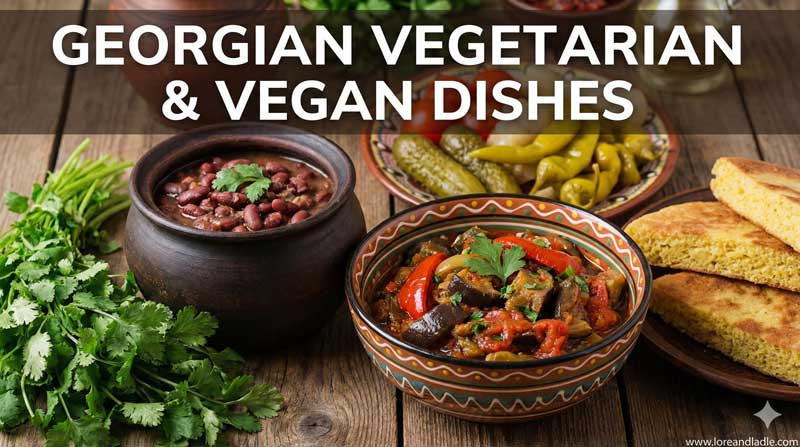
Weekend Project: Mastering plant-based Georgian comfort food in Your Own Kitchen
This weekend project invites you to explore a beloved corner of food culture. Plant-based Comfort Food from Georgia is about warmth, balance, and generous hospitality. You’ll discover how simple ingredients can come together in a dish that feels both familiar and new. The goal is to honor flavor, texture, and tradition in a friendly, practical way.
The cultural heartbeat of Georgian cuisine
Georgian food is shaped by family tables, seasonal rhythm, and a joyful approach to shareable meals. Dishes center on color, aroma, and a sense of place. In Georgia, makeshift feasts become moments of connection, and the table becomes a stage for conversation and ease. A weekend project like this celebrates that spirit. It also honors the idea that food is mentorship—passing along techniques, ideas, and flavors from one cook to another. When you cook plant-based Georgian comfort foods, you join a long line of cooks who seek generous, satisfying meals that feel rooted in home.
What makes Georgian comfort food special—and how a plant-based version fits
Georgian favorites often pair a soft, comforting texture with bright herbal notes and a touch of tang. The most iconic dish in this family is a cheese-filled bread known for its irresistible pull and savory aroma. A plant-based adaptation preserves the core idea: a hearty crust, a creamy, savory interior, and a balance of herbs. The result is a dish that feels familiar to anyone who loves a comforting bake, yet refreshingly fresh with herbs and nuts. This approach highlights culinary technique—how dough, filling, and smoke-kissed crust work together—and it shows how plant-based ingredients can carry a tradition forward with grace and flavor.
Core ingredients that carry Georgian flavor into a dairy-free kitchen
- Dough for the bread: Choose a smooth, elastic dough that bakes to a lightly chewy crust. A traditional dough base provides the structure that makes the dish feel special.
- Plant-based filling: Use a dairy-free option that melts or blends smoothly. Cashew or almond cheese substitutes work well, layered with herbs.
- Herbs and greens: Dill, cilantro, parsley, and fresh mint brighten the filling and cut richness with brightness.
- Nuts and seeds: Walnuts are a classic in Georgian flavor, often ground to a puree or crumble to add depth and texture.
- Spicy and tangy accents: A small amount of adjika or a homemade chili-garlic paste adds warmth without overpowering the dish.
- Accompaniments: A squeeze of lemon or a bright grape-must reduction or sauce can lift the finished dish and invite a fresh bite.
These ingredients tell a story of land and season. They also demonstrate how plant-based elements can echo traditional textures—creamy, chewy, crunchy, and lush with herbs.
Techniques that elevate flavor, texture, and aroma
- Dough handling: Knead until smooth, then let it rest. Resting softens the gluten, giving you a dough that bakes into a gentle, airy crust. Gentle shaping helps the interior stay tender.
- Filling harmony: Mix the plant-based cheese with herbs and a touch of salt. Fold in a small amount of olive oil to keep the texture lush rather than dry.
- Layering flavors: Combine a mild cheese substitute with chopped walnuts and a hint of green herbs. Add adjika in a measured pinch to awaken the filling without overwhelming it.
- Baking strategy: Bake at a moderate heat to ensure the crust browns evenly while the filling retains creaminess. A short rest after baking helps the flavors settle.
- Texture play: If you like a little bite, sprinkle toasted walnuts on top just before serving for a contrast with the creamy interior.
These techniques honor traditional methods while allowing plant-based ingredients to shine. They also invite you to practice patience and adjust elements to your pantry and taste.
How to approach the dish: a simple weekend plan
- Plan the dough: Create a smooth, pliable dough and give it time to rest. This step pays off with a crust that is crisp yet tender.
- Prepare the filling: Blend your dairy-free cheese with herbs and nuts. Dress lightly with olive oil and a touch of salt.
- Assemble with care: Roll the dough, lay the filling in a generous layer, and seal the edges with a gentle pinch.
- Bake and rest: Bake until the crust is golden. Let it rest briefly; this helps the interior set and flavors mellow.
- Serve with brightness: Finish with fresh herbs and a lemon wedge or a tangy sauce on the side.
A weekend project like this rewards planning and a calm pace. It also teaches you how plant-based elements can act like a bridge between tradition and modern, dairy-free cooking.
Serving, sharing, and the social side of Georgian table culture
Georgian meals center on sharing and warmth. When you present this dish, invite conversation about the ingredients, the textures, and the way the flavors evolve as they cool slightly. Pair it with light salads, pickled vegetables, or a simple grape sauce to echo Georgian color and brightness. The act of serving becomes a ritual of hospitality, inviting others to slow down and savor. In this way, the dish becomes not just nourishment but a small ceremony of togetherness.
Final thoughts: culture, craft, and a plant-based kitchen
This weekend project invites you to explore a cuisine known for hospitality and balance. By embracing plant-based techniques, you honor the culinary significance of Georgian food while keeping the kitchen approachable and inclusive. The result is a comforting dish that feels timeless, inviting, and deeply satisfying. As you cook, you’ll discover how texture, aroma, and herbaceous brightness come together to celebrate culture—in your own kitchen.