
Introduction to Popular Beshbarmak – Uzbekistani Salads & Appetizers Flavor You’ll Love
Step into a warm Uzbek kitchen and you meet a dish that speaks of hospitality, memory, and shared delight. Popular Beshbarmak – Uzbekistani Salads & Appetizers Flavor You’ll Love is more than a plate of food. It is a doorway into a culture that treasures family meals, careful craft, and seasonal ingredients. In this post, we explore its cultural value and culinary significance with care and clarity. You will see how the dish connects people, place, and tradition through simple ingredients and patient technique.
What makes this dish special in Uzbek cuisine
Beshbarmak, literally meaning “five fingers,” invites diners to eat with their hands. This custom emphasizes togetherness and ease during a festive meal. First, the dish is laid out for sharing. Next, each piece of noodle and meat becomes part of a larger conversation about roots, weather, and harvest. The ritual of passing the platter and serving elders reinforces respect and warmth. In this way, Popular Beshbarmak mirrors the Uzbek value of close family ties and generous hospitality.
Core components: noodles, meat, and onion sauce
At the heart of the dish are three notes that sing together. Flat, hand-cut noodles provide a silky, chewy counterpoint to tender meat. The meat—usually lamb or beef—is simmered to tenderness, yielding a rich, clear broth. Onions and a light savory sauce bring brightness and depth, tying the dish to everyday cooking as well as special occasions. The balance between noodle, meat, and broth is a study in restraint: each element supports the others without shouting. This balance reflects a broader Uzbek culinary philosophy that favors harmony and seasonality.
The cultural value of sharing and hospitality
In Uzbek culture, food is a gift of welcome. Hosting a feast with Beshbarmak signals goodwill and respect for guests. The act of preparing, presenting, and sharing the dish creates social ties that endure beyond the meal. Stories rise with steam from the pot, and a guest learns quickly that generosity is part of everyday life. By centering the meal on communal service, the dish becomes a living classroom for manners, memory, and mutual care.
Culinary technique as a form of cultural memory
Skillful preparation honors generations of cooks. The noodle dough is rolled and cut with care, a craft passed from mother to daughter, and sometimes shared across generations through kin, neighbors, and friends. The simmering broth requires patience; cooks watch the heat, skim impurities, and season with a light touch. This technique safeguards flavor while letting the dish breathe; it is a testament to the value placed on practice, apprenticeship, and steady hands in Uzbek kitchens.
Texture, aroma, and the sensory story
The dish tells a sensory story as soon as the pot opens. The aroma carries notes of meat and onion, with hints of pepper or caraway depending on the family recipe. The noodles offer a soft chew that contrasts with the tender meat. The broth adds a warm, comforting liquid texture that gathers everything together. Each bite becomes a small celebration of balance: comforting yet bright, rustic yet refined, simple yet deeply satisfying. Such harmony is a hallmark of Uzbek culinary philosophy.
Serving traditions and the shared table
Serving Beshbarmak on a large platter invites communal eating. The meat and noodles are arranged in a generous sweep, with hot broth poured nearby for dipping and spooning. Slices are offered to elders first, followed by younger guests, which reinforces respect and social order in a gentle, welcoming way. The presentation creates an inviting stage for conversation, music, and quiet laughter—moments that deepen ties among friends and family.
Regional flavors and variations across Uzbekistan
Across Uzbekistan, cooks adapt the dish to local tastes and available ingredients. Some regions favor lighter broths, others a richer, meat-forward intensity. The thickness and shape of the noodles can vary, as can the cut of the meat or the balance of onions in the sauce. These variations celebrate regional identity while maintaining the core idea: a centerpiece that brings people together through shared labor and shared food. The dish thus becomes a living map of place, reflecting how diverse landscapes shape a single culinary tradition.
Pairings within the Uzbek table of salads and appetizers
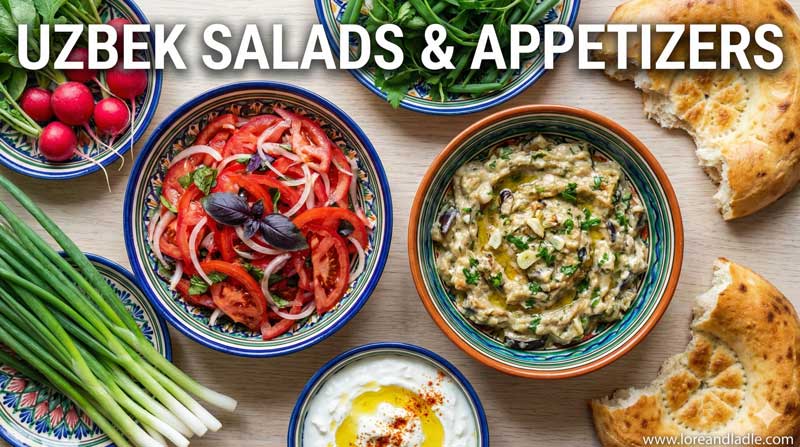
Popular Beshbarmak sits alongside a colorful array of Uzbek salads and small plates. Fresh tomato and cucumber salads, bright herb compositions, and crisp pickles provide refreshing contrast. These side offerings highlight the meal’s variety and balance, letting the main dish shine while offering lighter, tangy counterpoints. In this way, the dish participates in a larger rhythm of courses that celebrate vitality, color, and season.
How to savor the cultural value at home
If you are cooking at Home, approach the dish with intention. Use fresh meat of good quality, and let the broth taste clean and inviting. Roll the noodles with care, aiming for a delicate, thin sheet that still holds together when cut. Let the onions color lightly in the oil or fat, then combine them at the table with the meat and noodles. Invite conversation, drink tea with your guests, and savor the sense of place that the dish carries. You are not merely eating; you are participating in a tradition that values hospitality, craft, and community.
A closing reflection: the beauty of Uzbek cuisine
Popular Beshbarmak – Uzbekistani Salads & Appetizers Flavor You’ll Love embodies many facets of Uzbek food culture. It is a story told through steam, texture, and taste. It is a reminder that food can be both a daily nourishment and a soulful ritual. Through its shared nature, careful technique, and regional richness, the dish teaches us to honor neighbors, celebrate harvest, and welcome guests with warmth. In enjoying it, you partake in a tradition that cherishes beauty, respect, and connection—one flavorful, thoughtful bite at a time.