
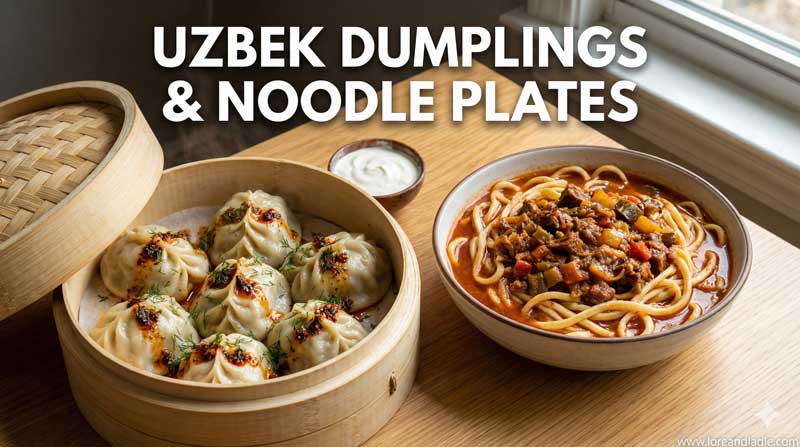
A Tasteful Introduction: Popular Manti – Uzbekistani Dumplings & Noodle Plates Flavor You’ll Love
Popular Manti – Uzbekistani Dumplings & Noodle Plates Flavor You’ll Love invites curious eaters to a kitchen where texture, aroma, and tradition come together. In this dish, soft dough encases a savory filling, and careful steaming turns humble ingredients into a memorable bite. The result is more than nourishment; it is a link to everyday life, family rituals, and year-round gatherings. The dish celebrates balance—between dough and meat, between heat and cool yogurt, between simplicity and skill. Read on to discover its cultural value and culinary significance.
A Window into Uzbek Hospitality
Food in Uzbekistan often centers on generous sharing. When manti appears on a table, it signals welcome and togetherness. First, families prepare dough, filling, and sauces, then invite neighbors and relatives to join in the meal. Next, the act of bringing steaming trays to the table becomes a moment for conversation, laughter, and mutual appreciation. Through every bite, we sense a tradition that prizes generosity, patience, and careful preparation. This is more than a dish; it is a practice of hospitality that binds people through food.
The Craft Behind Each Manti
The beauty of manti lies in the craft. The dough uses just flour, water, and salt, yet its texture matters as much as its shape. The dough is rolled thin, nearly translucent, so the finished dumpling feels tender yet sturdy. The filling typically combines finely ground meat—lamb or beef—with onions, then is seasoned with cumin, black pepper, and sometimes coriander. The mixture remains fragrant and balanced, never overpowering the dough. Finally, the dumplings are shaped with care—pinched edges or small purses—so they hold their filling securely for steaming. The steaming method concentrates flavor and yields a soft, juicy interior, while the exterior carries the delicate warmth of the dough. In this subtle choreography, technique and patience breathe life into the dish.
The Flavor Journey: Filling, Dough, and Aromatics
In Uzbek manti, flavor unfolds in layers. First comes the dough, whose lightness invites a gentle bite. Next, the filling offers sweetness from onions and depth from meat and spices. The aromatic profile often includes cumin, black pepper, and fennel for warmth, with dill or coriander accents sometimes added to the garnish. These spices are used sparingly to let the meat’s natural sweetness shine. The accompaniment finalizes the experience: a cool garlic yogurt sauce or smooth yogurt, plus a bright carrot and herb salad. Therefore, every element—dough, filling, steam, and sauce—works in harmony to Make a balanced, comforting plate.
Traditions at the Table: Serving and Pairings
Serving manti is an art of pairing textures and temperatures. A stack of steaming dumplings rests beside a bowl of yogurt sauce, inviting dipping and savoring. In addition, fresh herbs and a crisp carrot salad can provide a refreshing contrast to the warm, savory dumplings. The ritual of dipping adds another sensory layer: the coolness of yogurt against the warmth of the dumpling, the crunch of carrot, and the herbaceous lift of dill or parsley. This combination highlights hospitality and the joy of sharing a well-prepared meal with others.
Regional Nuances: Variations Across Uzbek Regions
Across Uzbekistan, cooks adapt manti to local tastes and available ingredients. In some regions, the filling features a higher onion ratio for sweetness and juiciness. In others, a touch of saffron or dried herbs may appear in the mixture or as a finishing garnish. Shapes can vary from small purses to larger pockets, and the dough thickness may differ to achieve a particular texture. These regional touches reflect a landscape of kitchens that honor tradition while allowing room for personal interpretation. The result is a dish that feels familiar yet alive with small, regional distinctions.
A Dish for All Seasons: Cultural Significance
Manti appears in family kitchens year-round, from daily meals to festive occasions. It is a dish that adapts to the rhythms of life: modest weekday dinners become comforting routines, while special gatherings become moments to showcase skill and care. The act of preparing manti together—kneading dough, chopping onions, shaping the dumplings—cultivates memory and teaches technique to younger cooks. In this way, manti serves as a culinary anchor, connecting generations through shared practice and collective enjoyment.
How to Experience It at Home: A Simple Guide
If you want to welcome manti into your own kitchen, start with the basics. First, mix a simple dough and let it rest; this helps gluten relax for a smooth roll. Next, prepare a filling of finely minced meat and onions, seasoned with a touch of cumin and pepper. Then, shape the dumplings with care, ensuring they are sealed well for steaming. Finally, steam the dumplings until the dough is tender and the filling is juicy. Serve with a garlic yogurt sauce and a bright carrot-based salad to recreate the traditional balance. By honoring the steps and the spirit of gathering, you bring a slice of Uzbek culinary culture into your home.
In sum, Popular Manti – Uzbekistani Dumplings & Noodle Plates Flavor You’ll Love offers more than a delicious bite. It embodies hospitality, craft, regional variety, and the gentle rhythm of shared meals. The dish invites appreciation for technique and family-centered meals, while inviting everyone to partake in a culture where food is a warm invitation and a lasting memory.