
Introduction: A Dish that Celebrates Shared Tables
Popular Tandoor Bread – Uzbekistani Dumplings & Noodle Plates Flavor You’ll Love is more than a meal. It is a celebration of texture, aroma, and togetherness that echoes through kitchens and dining rooms across Uzbekistan and the surrounding regions. The dish blends the warm glow of a clay oven with the careful craft of dumplings and hand-pulled noodles. Each element supports the others, creating a balanced, comforting experience that speaks to the heart of home cooking. In this post, we explore its cultural value and culinary significance, showing how a simple table can become a stage for tradition, skill, and communal joy.
The Tandoor Oven: Fire, Clay, and Flavor
The tandoor oven belongs to a family of clay-based ovens that shape many Central Asian cuisines. Its high heat and smoky breath imprint a distinctive character on bread baked within. The dough clings to the inner walls, developing a blistered crust and a soft, fragrant interior. The result is a bread that carries the scent of the fire it was born from, inviting touch and a warm bite. This oven is more than a tool; it is a conduit for memory and technique passed down through generations. in the context of Uzbek cuisine, the tandoor’s glow marks the beginning of a meal and frames the flavors that follow. When you experience Popular Tandoor Bread, you taste centuries of practice, skill, and regional adaptation, all in a single slice of warm, tender crust.
Uzbek Non: The Bread That Holds a Meal together
Non, the Uzbek term for this tandoor bread, anchors the meal with its sturdy, inviting presence. It arrives warm, often slightly charred at the edges, ready to be torn into pieces for sharing. This bread is not merely a side dish; it functions as a vessel and a social cue. Diners use torn pieces to scoop sauces and mingle bites of dumplings and noodles, weaving individual experiences into a collective tasting. The bread’s texture—crisp on the exterior, yielding inside—complements both the juicy dumplings and the slurp of noodle dishes. In this way, non embodies a cultural emphasis on generosity and shared pleasure. It invites everyone to join, to pass, to sample, and to remember that a meal becomes meaningful when it is shared.
Manty and Lagman: Dumplings and Noodle Plates as Cultural Pillars
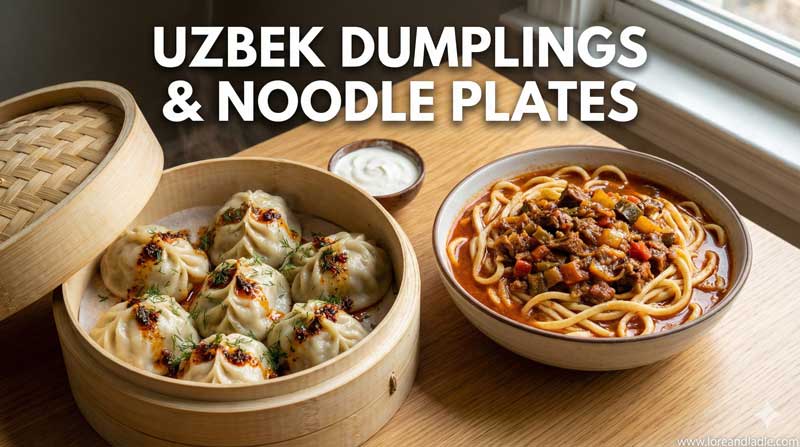
Manty are steamed dumplings filled with ground meat, onions, and gentle spices. Their pleated folds and compact form embody careful handiwork and patience. Each bite offers a harmony of savory filling and a delicate wrapper that yields to the teeth. Lagman, the revered noodle dish, presents long, hand-poured strands simmered in a broth with vegetables and meat. The textures—soft noodles, tender vegetables, and a comforting broth—create a narrative of balance and warmth. Together, manty and lagman illustrate how Uzbekistani dumplings and noodle plates complement the bread. The bread’s crust rises to meet the dumplings’ juiciness and the noodles’ smoothness, producing a cohesive flavor story. This trio—bread, dumplings, and noodles—reflects a culinary philosophy that values contrasts and harmony in every bite.
Craft and Craftsmanship: The Skills Behind the Taste
Behind Popular Tandoor Bread lies a community of bakers whose work blends science and artistry. Fermentation, dough handling, and timing all demand attention and discipline. A well-made non requires precise fermentation, shaping, and a steady hand to create the signature blistered surface. The dumplings and noodles likewise reveal skill: manty wrapped neatly to encase the filling, steam faithful to the dough’s strength, and lagman noodles pulled with care to achieve the right thickness and chew. These techniques are taught across households and markets, becoming a living language of flavor. The dish thus functions as a showcase of local techniques, the patience of cooks, and the pride of people who treasure precision achieved through practice.
Seasonal Rhythm and Community Timelines
This culinary trio often accompanies seasonal gatherings and daily rituals that mark the passage of time. In harvest moments, families gather to prepare large batches of bread, dumplings, and noodles, turning practical needs into shared celebration. Even in quieter days, the aroma of the tandoor can signal welcome and hospitality, inviting guests to linger at the table. Through these rhythms, the dish helps communities maintain a sense of continuity, memory, and belonging. The practices around making and sharing non, manty, and lagman offer a gentle reminder that food can anchor social life, linking neighbors, friends, and kin in a tapestry of everyday culture.
Pairings and Serving Traditions: A Flavorful Dialogue
The way this dish is served reinforces its cultural message: warmth, generosity, and conversation. The bread arrives in generous portions, ready to be broken and shared. Manty are placed on a platter, their steam rising as a sign of freshness. Lagman appears with a ladle and a spread of vegetables, completing the meal with color and texture. Sauces, yogurt, or light chive garnishes may accompany the plate, enhancing brightness without overpowering the core flavors. The act of passing bread first, then dumplings, and finally noodles creates an order of sharing that reflects social etiquette and hospitality. In this setting, flavor becomes a language that communicates care, respect, and gratitude for nourishment.
Regional Nuances: Variations That Enrich the Core
Across Uzbekistan and neighboring regions, small differences in dough, spice, and technique give each version of Popular Tandoor Bread a distinctive voice. Some neighborhoods favor a slightly thicker non with crisp edges, while others favor a thinner crust for a lighter bite. Dumplings might feature different spice blends or fillings according to family tradition, seasonal ingredients, or local preferences. Noodle plates may vary in broth depth or vegetable mix, offering a spectrum of textures from silky to substantial. These variations are not a departure from a shared culture; they are a testament to diversity within unity. The dish thrives on these nuances, inviting cooks and eaters to explore, compare, and celebrate regional expressions of taste.
A Taste of Culture: How to Appreciate the Dish
To truly appreciate Popular Tandoor Bread, approach it with curiosity and patience. Observe how the bread’s aroma announces the meal, how the dumplings hold warmth within, and how the noodles carry a gentle lift of flavor. Notice the balance between crust and crumb, between meat and vegetable notes, and between the comforting mouthfeel and the brighter accents from any sauces or yogurt. Enjoy the social moment of sharing—breaking bread, passing plates, and savoring conversation around the table. This dish invites you to slow down, notice the textures, and honor the craft that makes each component unique while harmonizing with the others.
Conclusion: A Living Tradition on the Table
Popular Tandoor Bread – Uzbekistani Dumplings & Noodle Plates Flavor You’ll Love stands as a vibrant symbol of culinary culture. It embodies the skill of bakers, the artistry of dumpling makers, and the care of cooks who balance flavor, texture, and warmth. It reflects a tradition where bread is more than sustenance; it is a bridge that connects people, stories, and shared meals. Through its bread, manty, and lagman, we glimpse a culture that values hospitality, craft, and community. The dish remains a living, welcoming tradition—one that invites listeners and tasters to join at the table, learn, and savor a flavor that many cultures hold dear.