
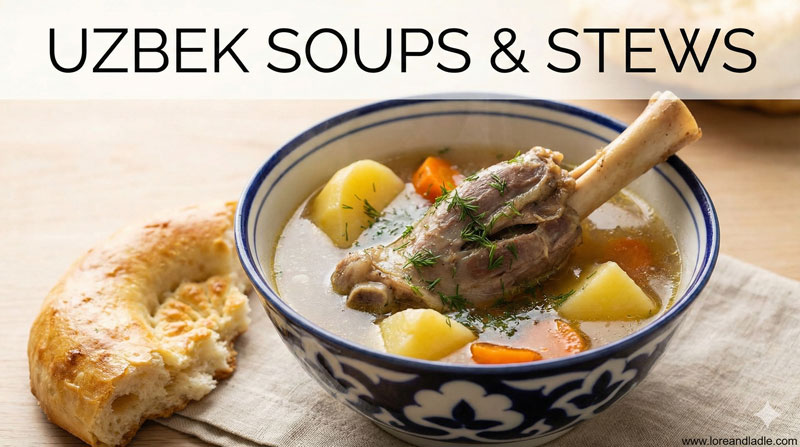
A Warm Welcome to Popular Tandoor Bread
Meet a beloved staple that fills Uzbek kitchens with aroma and heart. Popular Tandoor Bread – Uzbekistani Soups & Stews Flavor You’ll Love is more than food. It is a token of hospitality, a daily companion, and a quiet connector between generations. The bread’s round shape, blistered crust, and soft interior invite you to take part in a shared table. Its moment in the sun comes when it meets a steaming bowl, a hearty stew, or a fragrant soup. In this post, we celebrate its cultural value and culinary significance with respect and curiosity.
The Tandoor: A Time-Honored Oven in Uzbek Kitchens
The clay tandoor stands at the center of many kitchens and markets. It is more than a oven; it is a gathering place where skill, heat, and tradition converge. Bakers work with dough that rests and breathes, then press it onto the inner walls. In minutes, the bread puffs, develops a thin crackle, and gains a deep, smoky aroma. Sesame or nigella seeds often crown the top, catching the light as the bread bakes. The result is a bread that carries its own memory of fires, hands, and shared meals. This is the bread that travels from the oven to the table, ready to join a bowl or a plate with purpose.
Bread as a Flavor Vehicle in Soups and Stews
In Uzbek cuisine, tandoor bread acts as a flavor vehicle and a textural counterpoint. It soaks up the fragrant broths of soups and the rich drippings of stews. The crust adds a gentle crunch, while the airy crumb absorbs spices, herbs, and juices. Tear a piece from the round for a perfect scoop, and notice how its structure holds together even as it carries a generous portion of broth. The bread helps balance heat, spice, and sweetness, tying together the meal in a single, satisfying bite. This simple bread becomes a bridge between course and course, linking every spoonful to a warm, comforting finish.
Flavor Profiles: Herbs, Spices, and Pairings
The flavor of tandoor bread often echoes the herbs and spices found in Uzbek soups and stews. Dill, cilantro, and parsley bring brightness, while cumin and coriander seeds add gentle warmth. Garlic and onion contribute depth, and a light touch of black pepper or chili offers a subtle kick. The bread’s sesame or nigella topping adds a fragrant kick and a hint of nutty aroma. When paired with a steaming bowl of shurpa (a hearty broth with meat and vegetables) or a robust lagman-style soup, the bread shines. It invites you to dip, tear, and savor each savory note.
Cultural Context: Shared Tables and Everyday Rituals
In many homes and markets, tandoor bread marks the arc of a family meal. The bread is often placed at the center of the table, a sign of generosity and welcome. It is shared among friends and kin, passed around with care, and enjoyed with pauses between bites. The aroma of baking bread can signal a time to gather, chat, and enjoy the company of others. Through these daily rituals, the bread becomes a quiet storyteller, speaking of place, memory, and food traditions that endure across seasons.
Varieties Across Uzbek Regions
Regional touches give tandoor bread its gentle variety. Some circles are slightly thicker, yielding a soft interior with a satisfying chew. Others are thinner and crisper, offering a delicate snap with every tear. Sesame seeds decorate many loaves, while some areas favor nigella seeds for a peppery note. Shape also varies: round, traditional loaves are common, yet you may encounter elongated forms in some towns. These subtle differences reflect local preferences and family customs, all contributing to the broader tapestry of Uzbek bread.
Serving Traditions and Modern Enjoyment
Traditionally, tandoor bread arrives warm and fragrant. It is best enjoyed soon after baking, when the crust glistens and the crumb stays tender. In modern kitchens, you can recreate this warmth by warming a bread loaf gently before serving. Pair it with a steaming pot of soup or a simmering stew, and let the bread assist in scooping and sharing. For a thoughtful touch, place a small basket of torn pieces on the table, inviting guests to join in the ritual of sharing. The result is a dining moment that feels timeless and inclusive.
Tips for Enjoying Popular Tandoor Bread
- Choose bread fresh from the oven when possible for peak aroma and texture.
- Reheat gently to revive crust without drying the crumb.
- Tear, don’t cut, to preserve the crust’s crackle and keep the bread’s soft interior intact.
- Use bread to scoop broth and slurp gently for a comforting experience.
- Pair with a bright herb garnish or a squeeze of lemon to lift flavors in the soup or stew.
The Beauty of a Bread-Centered Cuisine
Popular Tandoor Bread embodies a philosophy of simplicity that elevates everyday meals. Its beauty lies in how a humble loaf can transform a bowl of soup into a warm, communal moment. The loaf’s skillful bake, its aroma, and its versatile texture invite cooks and diners to slow down, share, and savor. In Uzbek cooking, bread is not merely a side; it is an integral thread in the fabric of the meal. It speaks to craft, locality, and the joy of gathering.
A Gentle Invitation to Explore
If you are new to Uzbekistani soups and stews, start with a loaf of tandoor bread and a pot of broth. Notice how the bread softens as it rests in the steam. Observe how the crust presents a crisp contrast to the tender crumb. Let the flavors of dill, cumin, and garlic mingle with the bread’s own aroma. You will discover a harmony that highlights the cultural value and culinary significance of this beloved bread. It is a small invitation to explore a rich food culture and to appreciate the artistry of traditional baking.
Closing Thoughts
Popular Tandoor Bread – Uzbekistani Soups & Stews Flavor You’ll Love invites you to think beyond a single dish. It celebrates a bread that anchors meals, complements soups and stews, and brings people together. The bread’s clay-oven origins, its regional variations, and its role in daily hospitality all contribute to a lasting cultural value. In every tear and every bite, you taste the care, skill, and heart of Uzbek cuisine. This is more than nourishment; it is a warm invitation to experience and share a cherished culinary tradition.