
Introduction
Trending Myanmar Street Food & Snacks Dishes in the U.S. This Year presents more than a menu. It offers a window into a vibrant, everyday culinary world. This dish invites readers to savor a collection of Burmese street flavors that have found a welcoming home in American markets and kitchens. The focus is on culture, craft, and the joyful skill of turning simple ingredients into memorable bites. The result is a tasting that feels intimate, joyful, and deeply respectful of tradition.
The cultural heartbeat behind Burmese street food
Burmese street food thrives in open markets, tucked between tea shops, and along bustling sidewalks. It reflects a daily ritual: friends sharing a snack after work, families gathering for a quick bite, neighbors trading tips on where to find the freshest herbs. The dishes grow out of close observation of what the day offers—fresh fish, zesty citrus, aromatic herbs, and the artistry of turning humble ingredients into comforting, satisfying bites. This cultural pattern—sharing, accessibility, and a love of balanced flavors—gives the dish its warmth. You can sense care in the way ingredients are prepared, the rhythm of cooking, and the pride in presenting a dish that shines with freshness and soul.
Flavors and techniques that define the dishes
Burmese cooking centers on balance. The most iconic bites fuse tangy, savory, and subtle sweetness in harmony. Fresh greens and crunchy textures meet soft, warm staples to delight the palate. Common techniques include quick marinades, careful frying for crisp edges, and slow-simmered broths that develop depth without losing clarity of aroma. Aromatics—garlic, shallots, lemongrass, ginger—provide a bright backbone. Fermented elements, such as a small touch of fish paste or preserved seasonings, anchor the flavor with a gentle, savory glow. Citrus brings lift, while fresh herbs finish the plate with brightness. This combination makes each bite feel layered, comforting, and thoughtfully composed. The result is a cuisine that celebrates everyday life—delicious, approachable, and deeply respectful of regional diversity within Myanmar.
Trending dishes in the U.S. this year: a tasting menu of culture
This year’s trend in the United States centers on accessible, shareable plates that showcase Burmese craftsmanship. The collection leans into three core experiences: crisp-then-tender textures, bright and tangy notes, and a sense of community around the table. Each item is crafted to translate well to home kitchens and casual dining, while preserving the essence of Burmese street culture.
-
Tea leaf salad-inspired bites: The beloved tea leaf salad concept often appears as a crunchy, savory starter or side. In the U.S., cooks transform it into bite-sized treats—crisp shards of tea leaf, sesame, peanuts, and a hint of tangy citrus—paired with fresh vegetables or warm rice crackers. The cultural value lies in its communal lineage: a sharing dish that invites conversation and connection. Culinary significance comes from balancing the tea’s slight astringency with nutty, toasty, and citrusy notes, creating a refreshing yet substantial experience.
-
Noodle-soup bowls reminiscent of Mohinga: In a contemporary form, shallow bowls echo the comforting, aromatic profile of Myanmar’s noodle soups. A fragrant broth enriched with spices and a touch of fermented seasoning greets rice noodles and tender toppings. The bowls emphasize the Burmese skill of layering aroma and texture, delivering warmth and nourishment in a simple, accessible package. The dish becomes a bridge between street comfort and home cooking, inviting diners to slow down and savor the broth’s clarity and depth.
-
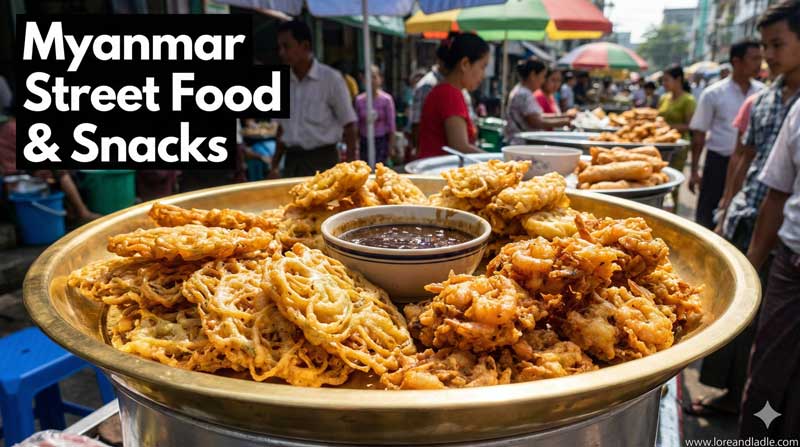
Crispy snacks and fritters: Burmese street bites often arrive as crisp, golden morsels—vegetable fritters, legume-based patties, or small dumplings with a savory crust. In the U.S., these snacks spark convivial sharing moments and pair well with a cooling herbal tea or lime-infused dip. They highlight the technique of achieving a delicate crust while preserving the tenderness inside, a hallmark of street-side cooking that values both texture and flavor.
-
Sweet coconut and rice desserts: Desserts play a gentle counterpoint to spicier dishes. In the current trend, coconut-based puddings, jelly-like treats, and rice desserts appear as refreshing finales. They showcase the Burmese love of silky, fragrant sweet notes balanced with light, fragrant flavors from coconut milk, pandan, or rice. The culinary significance here is comfort and celebration in one: a sweet, clean finish that honors everyday meals and holiday gatherings alike.
-
Savory dips and condiments: Small bowls of fermented, tangy, and savory condiments provide a flavorful backbone for main bites. Dips built around umami-rich ingredients invite dipping and tasting in a relaxed, social setting. The cultural value lies in hospitality—offering a varied spread that lets guests tailor their experience—and the culinary value in using preserved flavors to build depth quickly.
How to savor this dish’s cultural significance
- Start with conversation: Share the bites with others and listen to the way flavors spark memories or stories. Food becomes a social anchor, not only a source of taste.
- Notice texture and balance: The contrast between crisp and tender, tangy and mellow, fresh herbs and cooked richness reveals the skill behind Burmese street cooking.
- Appreciate the craft: From the careful chop of herbs to the precise fry of a snack, each step honors time-tested techniques and the pride of small-scale cooks.
- Pair thoughtfully: Consider a cooling tea or a light lime-dusted dip to lift flavors without overpowering the delicate notes. Simple pairings let the dish’s character shine.
Serving, presentation, and accessibility
The beauty of this dish lies in its versatility. In markets, vendors present items in colorful, accessible displays that invite sampling. at Home, cooks can assemble a small tasting board featuring a tea-leaf-inspired crisp, a bite of noodle-soup-inspired broth, a warm fritter, and a delicate coconut dessert. Clear labeling helps guests understand the cultural roots of each item, while the shared nature of the spread encourages exploration and appreciation without pressure. The presentation emphasizes freshness, balanced color, and a sense of hospitality—the hallmarks of Burmese street cuisine.
Preserving heritage through flavor
This dish honors traditional flavors while welcoming modern interpretation. It celebrates the passerby who first shared a plate on a busy street corner and the home cook who adapts the same flavors for a contemporary kitchen. By maintaining core techniques and flavor profiles, the dish becomes a living, evolving bridge between generations. The result is not merely a set of tastes but a living practice of sharing, curiosity, and careful craft.
Conclusion
Trending Myanmar Street Food & Snacks Dishes in the U.S. This Year invites you to explore a vibrant facet of Burmese culinary culture. It offers more than taste; it offers connection—between markets and homes, between street wisdom and kitchen creativity, and between strangers who become friends through a shared meal. The dishes are diverse, yet unified by a love of balance, freshness, and community. If you approach them with curiosity and respect, you will taste the care and culture that shape Burmese street food. This is a celebration of flavor, technique, and the beauty of everyday cooking brought forward into the American dining scene.