
Comfort Food Cravings: classic cheese and bean pupusas You’ll Want Again and Again
Introduction
Pupusas, especially the classic cheese and bean version, are a warm invitation to a shared table. This dish celebrates simple, honest ingredients that come together with care. The dough, the filling, and the way they are cooked create a comforting experience. You’ll feel it in the first bite and want to recreate that moment again and again.
The craft behind every pupusa
The core of a pupusa is masa—corn dough made smooth with water and a pinch of salt. The cheese and bean filling brings texture and depth. Cheese adds melt and a gentle saltiness; beans add earthiness and body. To assemble, you flatten a small ball of masa, place a spoonful of filling inside, and seal it with more masa. Then you press it into a thick, round disk.
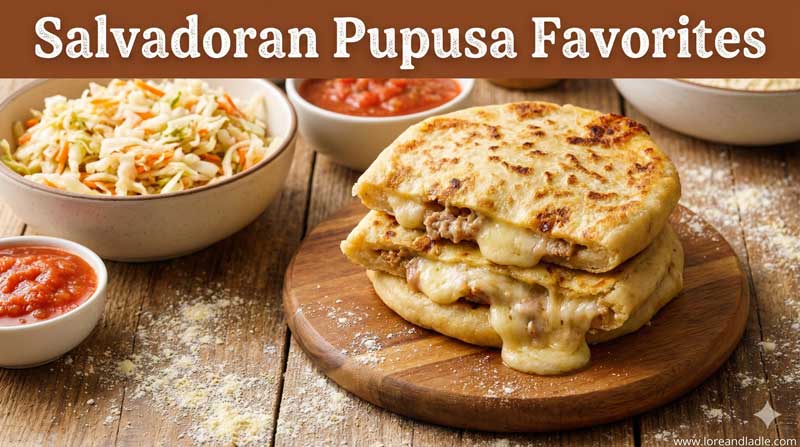
Next comes the heat. Pupusas cook on a hot griddle or comal until the bottom is lightly crisp and the edges lift with a soft sheen. The outer surface is chewy and inviting, while the center gives a tender meet-up of flavors. This balance is the heart of the dish: a sturdy exterior that yields to a warm, comforting inside.
Cultural value and everyday significance
This dish shines in family kitchens and lively street stalls alike. It is a staple that travels well through a busy morning or a relaxed afternoon. Sharing pupusas becomes a chance to slow down, smile, and savor. The act of gathering to prepare several pupusas—talking, tweaking the fillings, and serving them hot—creates a small, joyful ritual.
Pupusas also highlight a respect for ingredients and technique. Simple corn dough meets thoughtful fillings. The result shows how everyday foods can become meaningful, offering nourishment and a sense of well-being. In homes and markets, cheese and bean pupusas become more than a meal; they are a comforting tradition that people carry with them through daily life.
Regional notes and flavor partners
While the core remains cheese and beans, regional nuances add character. Some cooks blend cheese varieties for a mellower melt, while others favor a crisper crust with a soft interior. Across kitchens, a side of curtido—a tangy cabbage slaw—brightens the plate, adding crunch and acidity. A bright salsa roja can wake the flavors, making each bite lively and fresh. These accompaniments help the pupusas sing in everyday meals and special occasions alike.
Serving ideas and practical tips
Serve pupusas warm, right from the griddle. Pair them with curtido and salsa for contrast of texture and flavor. They friend well with a mug of coffee or a warm atole in the morning, or with a light beverage later in the day. For a quick version at Home, use ready-made masa and a simple bean puree. The result remains faithful to the classic idea: comforting, satisfying, and easy to share.
A dish that invites repetition
The enduring appeal of cheese and bean pupusas lies in their balance: a humble, well-made dough, a thoughtfully prepared filling, and a careful cook. This combination creates a dish that feels familiar yet endlessly adaptable. Each bite confirms why readers return to it again and again: warmth, texture, and a sense of belonging around the table.
Conclusion
Comfort Food Cravings: classic cheese and bean pupusas You’ll Want Again and Again invites you to savor a traditional favorite with fresh eyes. It shows how a simple combination can carry culture, craft, and care. Whether in a home kitchen or a bustling stall, these pupusas stand as a delicious expression of food culture—inviting, respectful, and deeply satisfying.