
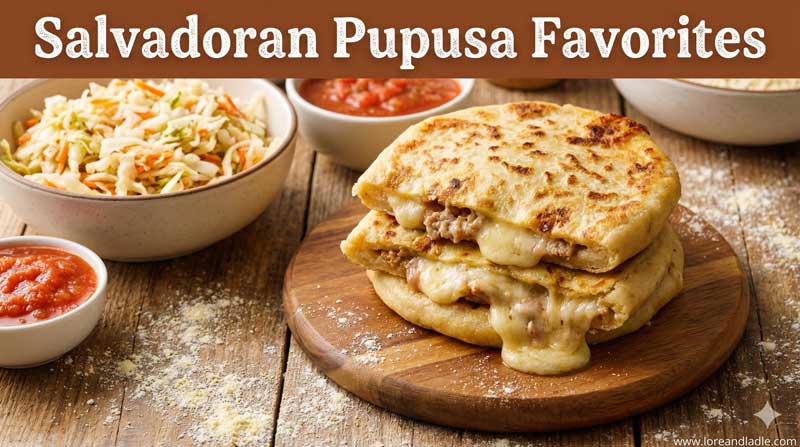
The Ultimate Guide to classic cheese and bean pupusas for Beginners
Pupusas are a warm welcome on a plate. The classic cheese and bean version shines with simple ingredients and a lasting memory of sharing. This post invites beginners to savor the dish’s cultural value and culinary significance. You will feel the heart of Salvadoran cooking in every bite.
The cultural value of pupusas in Salvadoran life
Pupusas sit at the center of daily meals and festive moments alike. They appear at markets, family kitchens, and lively gatherings. People make them together, exchanging tips and stories as the dough comes together. The moment of tearing into a soft, chewy pupusa connects generations. Sharing pupusas creates a sense of belonging and comfort. The dish embodies patience, skill, and care, all expressed through a simple circle of masa, cheese, and beans. In short, pupusas are a quiet, lasting thread in everyday culture.
The culinary signature: cheese and bean filling
The core flavors are straightforward yet deeply satisfying. The masa carries a gentle corn sweetness. The cheese melts into creamy, mild ribbons that mingle with refried beans. The result is balance: a soft interior, a delicate saltiness, and a chewy edge. Many cooks favor a Salvadoran white cheese, such as quesillo, for its melt and texture. Others use a mild, grated queso fresco or stringy blends. The beans contribute earthiness and depth, turning a simple bite into a memorable taste. The pairing is timeless and versatile, making it a secure entry point for beginners.
The masa and craft of shaping
Masa is the foundation. It should feel moist but firm enough to hold shape. The craft begins with a smooth ball, then a careful press to form a pocket for the filling. A light touch keeps the dough tender and the center evenly cooked. When you seal the edges, you preserve the balance between crust and core. The shaping method invites patience and focus, virtues that shine in any kitchen. The result is a uniform disc ready to cook, with a small, neat pocket for the cheese and bean filling.
Cooking on a comal: the heart of the pupusa experience
Traditionally, pupusas cook on a flat, hot griddle called a comal. A dry surface helps form a thin crust while keeping the inside soft. The discs are cooked on high heat for a short time, then flipped to finish. You’ll see tiny blisters and a gentle color change as the exterior firms. The experience is tactile: press lightly to test softness, smell the toasty aroma, and listen for a faint sizzle. The cooking method honors technique and patience, two hallmarks of good traditional cooking.
The pairing ritual: curtido and salsa
No pupusa is complete without its companions. Curtido is a tangy cabbage slaw often brightened with vinegar, mild peppers, and carrots. It adds brightness and crunch between bites. A simple tomato salsa can provide a fresh note to balance richness. These accompaniments are more than toppings; they are part of the dining ritual. They invite conversation, color, and texture to the table, enriching the tasting moment.
The social table: pupusas in gatherings and everyday life
Pupusas are a shared experience. In homes, families rotate tasks—mas makers, filling preparers, and fry-and-serve helpers. In markets, cooks offer a quick feast to passersby, turning a street corner into a friendly table. The dish carries a sense of hospitality. Guests are invited to try, learn, and return for more. This social element is a quiet celebration of community through food. The dish fosters generosity and connection, as every bite encourages storytelling and smiles.
Beginner tips for a confident start
- Start simple with the classic cheese and bean filling to build confidence.
- Keep the dough moist but not sticky; adjust with a touch more water or masa as needed.
- Practice gentle shaping; a steady hand helps keep the pocket even.
- Cook on medium-high heat; you want a golden crust without drying the center.
- Pair with curtido and a light salsa to appreciate the balance of flavors.
- Enjoy with friends or family; meals become more meaningful when shared.
A gentle invitation to taste and explore
The ultimate guide invites you to slow down and savor. The cheese and bean pupusa is a small triumph of texture and taste, a window into Salvadoran cooking craft. Each bite reveals a story of tradition, craft, and community. Approach it with curiosity, practice with care, and you will feel the dish’s cultural value in every moment. This is more than food; it is a welcoming ceremony on a plate.