
Introduction to Best Recipes for Qazi – Uzbekistani Soups & Stews Flavor You’ll Love
This collection is a celebration of Uzbek soups and stews, with Qazi at its heart. It invites you to explore cultural value and culinary significance, not just flavors. You’ll discover why these bowls feel like a warm invitation to gather, share, and remember. Expect clear notes on ingredients and methods that honor tradition while inviting modern cooks to join the feast.
Cultural Roots of Uzbek Soups and Stews
In Uzbek homes, soups and stews mark daily life and festive gatherings alike. They reflect a spirit of hospitality and balance. The pantry becomes a map of the season, with fresh herbs, garden vegetables, and chosen cuts of meat guiding the flavor. Scented broths and slow braises teach patience, and every simmer adds a layer of memory. Each bowl speaks of family, farmers, and the rhythm of the harvest. The Qazi family recipe often travels through hands and kitchens, collecting stories as it goes.
The Significance of Qazi in Uzbek Cuisine
Qazi stands as a hearty emblem of nourishment and care. It blends meat, grains, and vegetables into a single, satisfying pot. The dish is a welcome centerpiece for gatherings, where friends and relatives come together around the stove. Its aroma signals warmth and generosity. Over time, Qazi has absorbed local textures and seasonings, creating a flexible template that cooks can adapt with regionally available ingredients. This flexibility celebrates Uzbek creativity and the joy of sharing food.
Key Techniques and Ingredients That Define Qazi
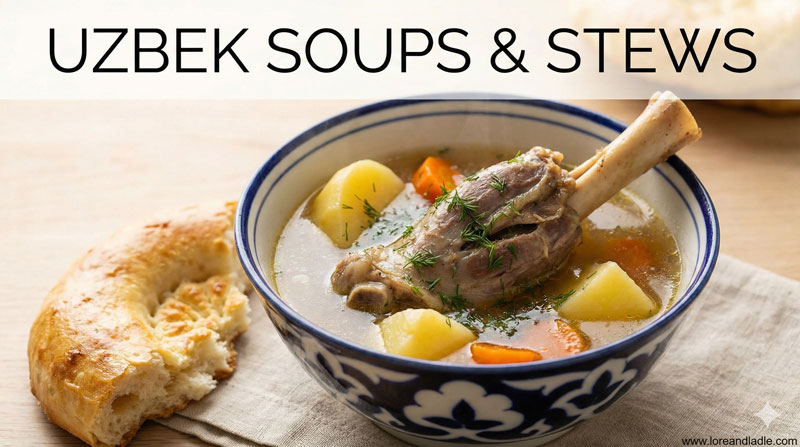
The core technique is gentle simmering. Meat becomes tender as spices release their aroma. Key ingredients include lamb or beef, onions, carrots, and barley or lentils. Potatoes and tomatoes may appear in some versions, offering heartiness and color. A pinch of cumin, coriander, and black pepper seasons the pot, while bay leaf and fresh dill finish the aroma. The result is a silky, nourishing broth with a sturdy bite from grains and vegetables.
Regional Varieties and Serving Traditions
Across Uzbek regions, Qazi takes on subtle differences. In one valley, the dish leans more on lamb and a barley base; in another, a lighter broth with lentils leads the way. The serving ritual is simple and generous: warm bowls, crusty bread, chopped herbs, and sometimes a tangy pickle on the side. Tea often accompanies the meal. These small touches reinforce hospitality and the joy of sharing a meal together.
Bringing Qazi to Your Table
To recreate this experience at Home, start with a good stock. Brown the meat, then add onions and spices. Stir in grains and vegetables, add water, and let it simmer until everything is tender. Finish with fresh dill and a squeeze of lemon if you like brightness. Serve with bread and herbs. The dish invites you to slow down and savor every spoonful.
Preserving the Heritage of Qazi in Modern Kitchens
Modern cooks keep the tradition alive by adapting ingredients while honoring core methods. The dish remains a bridge between generations and a crossroads of flavor. Small adjustments, careful timing, and respect for the pot bring out depth and warmth. By cooking Qazi, you celebrate Uzbek flavors and the care of family meals.