
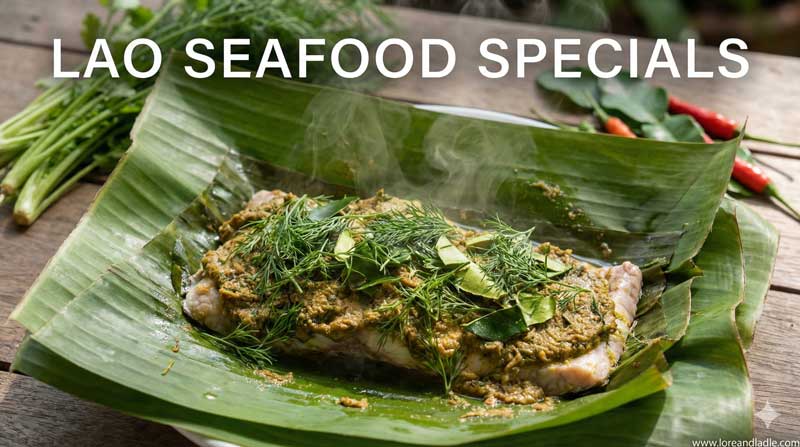
Quick Lao Seafood Specials Lunches You Can Pack for Work
Opening note
Quick Lao Seafood Specials Lunches You Can Pack for Work invites us into a kitchen where river flavors meet everyday routines. This concept centers on Lao culinary culture—how fresh seafood, herbs, and rice come together to create meals that travel well and feel bright at midday. The dish Is a celebration of balance, craft, and the gentle artistry of Lao cooks who honor ingredients with every fold of spice, citrus, and aroma. It is a tangible way to savor culture through food that travels from market to lunchbox.
Introduction to the concept
Lao seafood dishes are known for their clarity and freshness. They pair clean fish with crisp herbs and a tangy lift from lime and fish sauce. When we say “pack for work,” we are really talking about care: choosing components that stay vivid after a morning of activity, yet retain their spirit. This approach reflects a daily love for meals that nourish without rush. It also echoes a sense of community, where meals reinforce connection between home kitchens and work days.
Cultural value of Lao seafood cuisine
Seafood plays a central role in Lao food culture because the land and rivers shape daily life. Families fish and trade in local markets, bringing home fish that feel connected to the water and the season. The cooking style emphasizes lightness and balance, letting each ingredient shine. Herbs like dill, mint, cilantro, and lemongrass are not afterthoughts; they are language for aroma and brightness. Sharing a Lao seafood dish at noon invites a moment of calm, a pause that honors the workday and the season. The practice of assembling a lunch that respects freshness mirrors a broader respect for nature and community in Lao culture.
Culinary significance of fresh Lao seafood
Freshness defines Lao seafood as a culinary pillar. White fish, river prawns, and small, delicate morsels are prepared quickly to preserve texture and flavor. The cooking techniques celebrate clean flavors: grilling, steaming, or tossing with a bright dressing. A good Lao seafood dish layers contrasts—soft fish with crisp vegetables, tangy lime with savory fish sauce, and a whisper of heat from chilies. This balance is not merely taste; it is a reflection of Lao sensibilities toward nourishment and harmony. The result is a meal that feels honest, expressive, and deeply tied to the land and water.
Packable lunch: from market to lunchbox
The idea of a packable Lao seafood lunch centers on practicality without sacrificing flavor. Start with a fresh market purchase, then segment the components to protect textures and aromas. Pack components separately when needed to prevent sogginess or muddy flavors. A lunch that travels well is a small act of care: it keeps the taste bright, invites curiosity, and makes a workday feel richer. In Lao practice, meals that can be enjoyed anywhere reflect a flexible, mindful approach to cooking and sharing.
Core components of a Quick Lao Seafood Lunch
A well-composed Lao seafood lunch blends four elements: seafood, a starchy companion, fresh herbs and vegetables, and a bright dressing. For the seafood, consider grilled or lightly steamed fish or prawns, seasoned simply to highlight the natural flavor. The starch should be something that travels well, such as sticky rice or a compact portion of steamed rice. Fresh herbs and vegetables provide color, aroma, and crunch. Finally, a vivid dressing—lime juice, fish sauce, chilies, and a touch of sugar—ties the dish together. Each component supports the others, creating a cohesive midday meal that remains true to Lao culinary principles.
Flavor harmony: herbs, citrus, and fish sauce
Lao flavor is a conversation among four notes: sour, salty, spicy, and aromatic. Lime juice gives brightness and vitality; fish sauce adds umami and depth; chilies provide warmth without overpowering. Herbs lift the dish with fragrance and freshness, while a light garnish of sliced onions or cucumbers adds texture. This harmony makes the lunch feel lively yet balanced, a hallmark of Lao seafood cuisine. The careful balance reflects a philosophy of nourishment that respects both palate and well-being.
Practical tips for preparation and storage
- Keep seafood fresh at the market and chill promptly. Fresh catch translates to better texture when it reaches the lunchbox.
- Prepare herb salads separately from the fish and starch to prevent wilting. Toss just before eating for maximum aroma.
- Use airtight containers and a separate dressing bottle to preserve the crispness of vegetables.
- Choose a protein-friendly starch that travels well, such as sticky Rice in a compact portion or a small bundle of rice noodles that won’t soak up dressing too quickly.
- Pack a small lime wedge or a fish sauce dipping option so flavors stay bright at lunchtime.
- If you anticipate a longer commute, consider keeping the dressing on the side and adding it at noon to revive the dish.
Sourcing and seasonal considerations
Seasonality matters to Lao seafood cuisine. Fresh catch, local herbs, and seasonal greens influence flavor profiles and availability. When markets brim with dill, mint, lemongrass, and cilantro, cooks weave these into quick lunches with grace. In seasons when certain fish are abundant, the lunch can shift in character while preserving the cultural essence. This adaptability showcases how Lao cuisine remains rooted in place while inviting everyday creativity.
The noon ritual and its cultural resonance
Lunchtime in Lao communities often becomes a gentle, unhurried moment. A well-prepared seafood lunch invites colleagues and Family to pause, share a bite, and enjoy a moment of balance. The ritual centers on freshness, aroma, and the comfort of familiar flavors. By packing a Lao seafood lunch, you participate in a tradition that values nourishment, connection, and attentiveness to detail. It is a quiet celebration of everyday life expressed through food.
Variation ideas and regional nuance
Different Lao regions bring subtle twists to seafood dishes. Some cooks emphasize dill and mint more heavily, others lean on lemongrass and lime for a sharper note. There can be a delicate use of herbs like Thai basil or cilantro, depending on what grows near the kitchen garden or market stalls. These nuances enrich the concept of Quick Lao Seafood Specials Lunches You Can Pack for Work, showing how culture is expressed in small, personal choices every day.
A simple blueprint for a packable Lao seafood lunch
- Protein: grilled white fish or prawns with a mild marinade of lime, garlic, and a touch of chili.
- Starch: compact portion of sticky rice or a small bundle of rice noodles.
- Herb salad: dill, mint, cilantro, sliced cucumber, and shredded cabbage.
- Dressing: lime juice, fish sauce, a hint of palm sugar, and sliced chilies.
- Fresh crunch: a small carrot matchstick or cucumber ribbons for texture.
- Optional finish: a lemony herb oil drizzle or a tangy pickled vegetable side.
This blueprint honors Lao flavors while offering portability and ease for a workday routine.
The beauty of a Lao seafood lunch in daily life
At its core, this concept reveals how Lao cuisine values clarity, balance, and seasonal abundance. The dish honors the river’s bounty and the gardener’s herbs, weaving them into a lunch that is both simple and expressive. It invites care in selection, freshness in preparation, and joy in sharing. The result is a meal that respects time, supports energy for the day, and echoes a long tradition of thoughtful cooking.
Encouraging mindful eating and appreciation
A Quick Lao Seafood Lunch for work prompts mindful eating through color, aroma, and texture. It rewards attention to each bite—the tang of lime, the kiss of fish sauce, the bite of fresh herbs. This awareness deepens appreciation for Lao culinary craft and the ways food can connect people to place and season. It also highlights how a well-packed lunch can become a small daily ceremony of nourishment and culture.
Conclusion
Quick Lao Seafood Specials Lunches You Can Pack for Work are more than a meal; they are a doorway to Lao cultural value and culinary significance. They celebrate river life, fresh ingredients, and a balanced palate. They honor the craft of cooks who blend herbs, citrus, and seafood with grace. They invite us to savor midday meals as moments of movement and connection. If you seek a lunch that reflects care, heritage, and flavor, this concept offers a delicious and respectful path.