
Introduction
Welcome to a bright, quick dish that celebrates Indonesian flavors: Quick Sambal Shrimp at Home. This recipe blends heat, fragrance, and a touch of sweetness in a way that feels both comforting and celebratory. It is built for home kitchens, honors everyday cooking, and fits beautifully with Indonesian noodle favorites. With every bite, you taste the warmth of home meals and the skill of simple techniques that bring depth to a weeknight.
The Soul of Sambal Shrimp
Sambal shrimp embodies a core idea in Indonesian cooking: balance. The fiery bite of chili meets the mellow sweetness of shallots and garlic, then there’s the bright lift of lime and the savoriness from shrimp and oil. This harmony makes the dish feel lively yet refined. In many households, a pot of sambal sits near the stove, ready to wake up rice, noodles, or vegetables. When shrimp joins the mix, the dish becomes a shining example of how quick heat and fresh ingredients can create a memorable meal. The dish also reflects how noodle meals can be bright, fast, and deeply satisfying when a bold sambal aroma leads the way.
Core Ingredients and Their Significance
- Shrimp: Fresh shrimp bring clean sweetness and a touch of ocean brightness. They cook quickly and hold flavor well.
- Sambal: The backbone of the dish. Use store-bought sambal oelek for quickness, or blend fresh chilies with garlic and shallots for a custom heat level.
- Garlic and shallots: Aromatic foundations that carry the aroma of home cooking.
- Tomato or tomato paste: Adds a gentle tang and body to the sauce.
- Sugar (palm sugar if possible) and lime juice: Create a delicate balance of sweet and sour.
- Oil: A neutral cooking oil helps release the aromatics without overpowering them.
- Noodles (for serving): Indonesians love pairing this with fried noodles like mie goreng or other favorites such as kwetiau or bakmi.
In this dish, each ingredient has a purpose. The chili provides heat with character, not just heat for heat’s sake. The shrimp offers a quick, succulent texture that contrasts with the soft noodles. The sauce unites everything, turning quick cooking into a moment of cultural expression that feels universal yet unmistakably Indonesian.
Quick Sambal Shrimp at Home: Step-by-Step
- Step 1: Prepare a quick sambal. Finely chop or grind chilies, garlic, and shallots. If you like a richer flavor, add a small tomato or tomato paste for color and body.
- Step 2: Sauté aromatics. Heat oil in a skillet over medium heat. Add the chopped aromatics and sauté until they glow with fragrance.
- Step 3: Build the sauce. Stir in the sambal, then add a splash of water or a little stock. Simmer briefly to blend heat and acidity.
- Step 4: Cook the shrimp. Add peeled shrimp to the pan. Cook just until they turn pink and opaque, about 2–3 minutes depending on size.
- Step 5: Finish with brightness. Stir in a squeeze of lime juice and a pinch of sugar to balance the flavors.
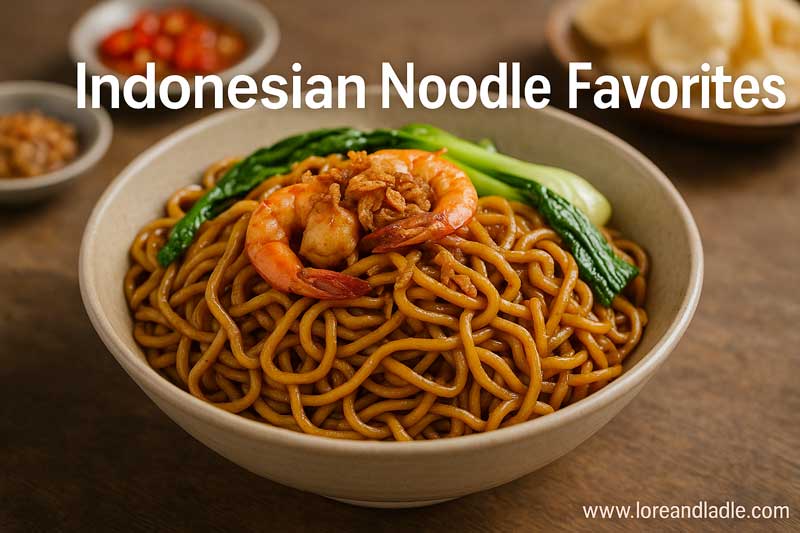
- Step 6: Combine with noodles. Toss cooked noodles with the shrimp and sauce, or serve the shrimp over noodles on plates. Garnish with chopped herbs or fried shallots.
This method keeps things simple, reliable, and full of flavor. The result is a dish that comes together in under 30 minutes, ideal for busy evenings while still feeling special.
Pairing with Indonesian Noodle Favorites
Indonesian noodle dishes often center on bold sauces and quick tosses. Quick Sambal Shrimp fits perfectly with popular noodle choices:
– Mie goreng: The classic fried noodle dish. The spicy-sweet shrimp elevates the wok-tossed noodles and adds a fresh protein accent.
– Bakmi or kwetiau: Pair these flat or wide noodles with the bright sambal to highlight texture.
– A simple bowl of steamed rice noodles works as well, letting the shrimp and sauce shine.
For serving, top with thinly sliced scallions, fried shallots, cucumber ribbons, and a wedge of lime. A few sprigs of fresh herbs can add color and aroma to the plate. The result is a vibrant, balanced plate that celebrates both speed and tradition.
Flavor Profile, Texture, and Experience
- Flavor: The heat from chilies meets the sweetness from sugar and the tang from lime. The result is lively, balanced, and deeply satisfying.
- Texture: The shrimp provides a delicate bite, while the noodles offer柔 soft chew. The crispy shallots add a satisfying crunch.
- Experience: This dish encourages sharing and conversation at the table. The aroma alone invites curiosity and anticipation.
Techniques and Kitchen Wisdom
- Use fresh aromatics to maximize fragrance. The early sizzle sets the flavor foundation.
- Don’t overcook the shrimp. Quick cooking preserves tenderness and sweetness.
- Balance is key. If your sauce is too spicy, add a touch more sugar or lime. If it’s too sweet, a bit more lime raises brightness.
- Personalize with regional touches. A drop of tamarind, a tiny spoon of soy sauce, or a pinch of kaffir lime leaf can tailor the flavor without losing the dish’s core spirit.
Serving Etiquette and Cultural Connection
Sharing a plate of sambal shrimp with noodles is a gesture of hospitality. It signals warmth, generosity, and a love of good food. When serving, invite everyone to take a portion of noodles and top with the spicy shrimp, allowing each person to adjust heat with lime or chili. This practice mirrors a common theme in Indonesian meals: food is for gathering, not just eating. The dish invites conversation, smiles, and a sense of togetherness around the dining table.
Tips for Customization and Accessibility
- If you prefer less heat, remove some seeds from fresh chilies or use a milder variety. You can still enjoy the aroma and flavor.
- For a vegetarian variation, swap shrimp for fryer mushrooms or tofu, and keep the sambal the same to maintain brightness.
- Make a larger batch of sambal to keep in the fridge. It pairs with rice, vegetables, or eggs and expands your quick-meal options.
- Use gluten-free noodles if needed. The sauce remains bold and flavorful across noodles of different textures.
Final Thoughts on Culinary Significance
Quick Sambal Shrimp at Home is more than a fast meal. It is a small celebration of Indonesian culinary values: bold flavors, careful balance, and respect for ingredients. It honors the social joy of sharing food and the pride that cooks feel in crafting a dish that is both simple and meaningful. With a few fresh ingredients and a friendly wok or skillet, you can bring a piece of Indonesia to your table—quiet yet vibrant, everyday yet special—and enjoy noodles as a beautiful canvas for bright, inviting flavors.