
Rawon Beef Soup and Its Cultural Value
Rawon Beef Soup Is a warm thread in Indonesia’s rich culinary tapestry. This dish, rooted in East Java, centers on a velvet-dark broth that invites the senses before the first spoonful. The color comes from kluwek nuts ground into a paste, lending an earthy, cocoa-like depth. Beef braises slowly with garlic, shallots, ginger or galangal, lemongrass, and coriander, creating a comforting foundation. In homes and street stalls, Rawon is shared during meals that feel communal and generous. The act of gathering around a steaming bowl honors family, friendship, and everyday hospitality. Its beauty lies not only in flavor but in the rituals that accompany serving: a squeeze of lime, a scattering of scallions, and a crisp topping of emping crackers. Rawon becomes a quiet celebration of Indonesian cooking, inviting curious diners to pause and savor.
Craft and Ingredients: The Heart of Rawon
Crafting Rawon centers on balance and patience. Beef chunks simmer in a fragrant stock until tender, while the keluak paste threads through the broth, imparting a distinctive earthy aroma. The spice mix is simple yet precise: garlic, shallots, coriander, sometimes a hint of star anise, and a touch of pepper. The result is a soup that feels both grounded and refined. The dish is typically served with steamed rice, and garnishes add texture: crisp emping crackers, fresh bean sprouts, chopped scallions, and a hard-boiled egg. Each component plays a role, from the tender meat to the bright crunch of greens, creating a bowl that nourishes body and conversation alike. The technique rewards patience, producing a broth that glows with depth and a finish that lingers pleasantly on the palate.
Flavor, Technique, and Indonesian Identity
Rawon teaches a philosophy of flavor: depth before brightness, and warmth built through slow cooking. The keluak paste supplies a dark, nutty backbone that harmonizes with the warmth of spices and the savor of beef. Fresh lime, herbs, and a touch of chili bring balance, lifting the dish without masking its core character. The technique—careful grinding, gentle simmering, and thoughtful garnishes—shows how Indonesian cooks sculpt complexity from a few, well-chosen ingredients. This approach resonates beyond Rawon, echoing a shared love for bold but balanced flavors that invite longer meals and richer conversations at the table.
Rawon in American Kitchens: A Taste of Indonesia
Across American dining rooms, Rawon is celebrated as a gateway to Indonesian flavors. Indonesian restaurants in many cities feature Rawon on rotating menus, inviting guests to explore the depth of Southeast Asian cooking. Home Cooks embrace the dish as a joyful project—an opportunity to explore ingredients like kluwek paste and fresh herbs, then adapt portions to taste. In the kitchen, Rawon fosters a dialogue between familiar comforts and new aromas, encouraging cooks to experiment with accompaniments such as rice, garlic chili sauces, and crisp crackers. The result is a respectful, delicious bridge between culinary cultures, inviting diners to linger a moment longer over a well-made bowl.
Other Spicy Indonesian Dishes Loved in America
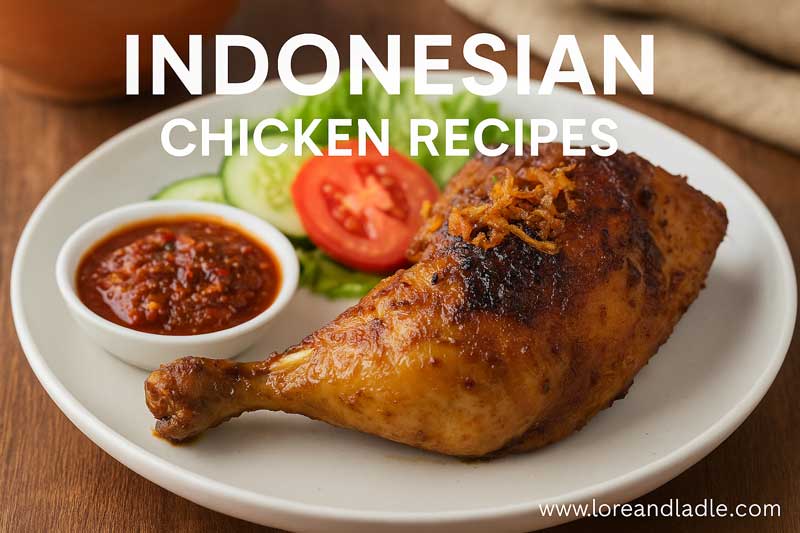
Rendang stands as a flagship example. Slow-braised beef in coconut milk, chili, lemongrass, ginger, and turmeric creates a deeply aromatic, ruby-hued curry. Its generous warmth and tender meat express the elegance of Indonesian spice artistry, making it a beloved staple in many American kitchens and restaurants. Soto Ayam offers a bright, comforting chicken soup seasoned with turmeric, lemongrass, and citrus notes; the aroma invites warmth and familiarity. Ayam Penyet and its fiery successor Ayam Geprek feature crispy chicken paired with a bold chili sauce, delivering a satisfying heat that fans of spice savor with every bite. Satay skewers, served with peanut sauce and a touch of chili, highlight the social joy of sharing small plates. Collectively, these dishes reveal a culinary language that prizes depth, balance, and generosity at the table. American diners learn to appreciate how Indonesian cooks layer spices, textures, and colors to create vibrant meals that feel both exotic and comforting. Each dish adds to a living conversation about flavor, technique, and the artistry of Indonesian cooking.
A Closing Note: Flavor as a Shared Experience
Rawon and its spicy cousins invite readers to celebrate flavor as a universal language. The dishes honor time-honored techniques, celebrate regional variety, and welcome cooks of all backgrounds to the kitchen. By savoring these bowls and plates, we enjoy not only taste but a rich culinary culture that invites curiosity, respect, and joyful meals.