
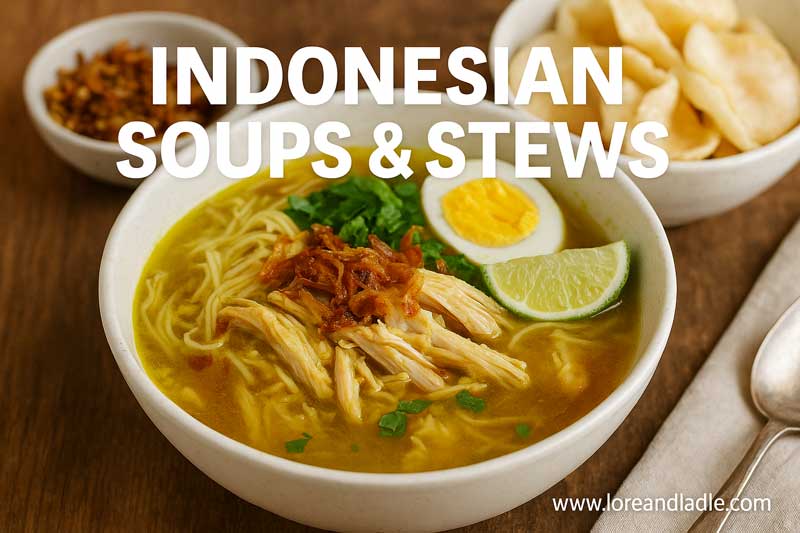
Rawon Beef Soup Recipe Inspiration for Date Night at Home in the U.S.
Rawon is a cherished beef soup from East Java. In Indonesian kitchens, a pot of rawon signals warmth, care, and togetherness. The dish is famous for its striking dark broth, which comes from keluak nuts blended into a fragrant paste. The result is a silky soup that invites slow savoring and candlelit moments. For a special, comforting date night at Home in the U.S., rawon offers both cultural value and culinary delight in a single bowl.
What Rawon Means in Indonesian Home Cooking
Rawon blends family memory with regional pride. Many households prepare it as a weekly treat or for festive meals. The recipe travels across villages, yet stays rooted in simple steps and familiar flavors. A bowl of rawon is more than soup; it is a small ceremony of aroma, color, and texture. The dark broth contrasts with the light rice and crisp toppings, creating a balanced, comforting experience. The dish highlights a key idea in Indonesian cooking: a few strong ingredients can harmonize to express place, season, and craft.
The Flavor Story: Dark Broth and Aromatic Spices
The signature of rawon is its ebony broth. That color comes from the keluak paste, a nutty, earthy component that deepens every spoonful. The paste itself is built from a fragrant spice base: shallots, garlic, and candlenuts blend with coriander seeds, cumin, lemongrass, and galangal. Kaffir lime leaves add a bright citrus lift. The beef is simmered until tender, soaking up the spice aroma and turning the liquid into a glossy, velvet soup. The finish is warm and balanced—earthy and slightly nutty, with a touch of brightness from lime and fresh herbs. Texture matters here: the beef should be tender, the broth smooth, and the toppings crisp and fresh.
How to Make Rawon at Home in the U.S. for Date Night
Bringing rawon to a date night means planning ahead and embracing a little culinary ritual. Start with a well-stocked pantry and identify an Indonesian or Southeast Asian market for keluak paste or whole keluak nuts. If you locate them, you’ll unlock the authentic depth that defines rawon.
Step-by-step idea:
– Prepare the spice paste. Peel and chop shallots and garlic. Toast and grind candlenuts with coriander seeds and cumin. Add lemongrass, galangal, and kaffir lime leaves to the mix.
– Create the paste. Grind the aromatics into a smooth paste. This step releases the full perfume of the dish.
– Brown the beef. In a heavy pot, sear the beef until it takes on a light caramel color.
– Build the flavor. Stir in the spice paste and cook briefly to bloom the flavors.
– Simmer with keluak. Add broth and the keluak element to the pot. Let the soup simmer until the beef is tender and the broth is richly dark.
– Prepare toppings. Slice lime, wash bean sprouts, and fry shallots until crisp. Fresh herbs add brightness.
– Serve. Spoon the hot soup over steamed rice and offer lime wedges and sambal on the side for guests to tailor the heat.
A well-timed simmer helps the flavors mingle. The result is an inviting, deeply comforting dish that suits a quiet evening at home.
Key Ingredients and Technique
- Beef: Tender cuts that can absorb a slow simmer.
- Keluak paste: The signature dark component that defines the broth’s color and earthy depth.
- Spice paste: Shallots, garlic, candlenuts, coriander seeds, cumin, lemongrass, galangal, and kaffir lime leaves.
- Accompaniments: Steamed rice, bean sprouts, fried shallots, lime wedges, and a touch of chili sambal.
- Technique highlights: Careful toasting and grinding aromatics, browning meat for depth, and long, gentle simmering to soften beef while enriching the broth.
Presentation, Toppings, and Pairings
Serve rawon in shallow bowls to showcase the broth’s color. Top with a handful of bean sprouts for crunch, fried shallots for sweetness, and fresh herbs for brightness. A lime wedge adds a welcomed zing, and a small spoon of sambal lets each guest adjust the heat. The dish pairs beautifully with a simple cucumber salad or a light green vegetable side, balancing the meal without competing with the soup’s rich flavors.
Cultural Value and Culinary Significance
Rawon stands as a clear example of Indonesian culinary craftsmanship. It demonstrates how careful layering of spice, aroma, and texture can create a dish that feels both timeless and immediate. The broth’s color draws the eye, while the aroma draws the eater in. The preparation invites hands-on participation—grinding, simmering, tasting, and adjusting—making it an engaging, heartwarming shared experience. For a date night in the United States, rawon offers a respectful invitation to explore Indonesian flavor culture, delivering hospitality, ritual, and a sense of place with every bowl. This dish celebrates skill, patience, and the joy of eating together—qualities that make any dinner at home feel special.