
Introduction
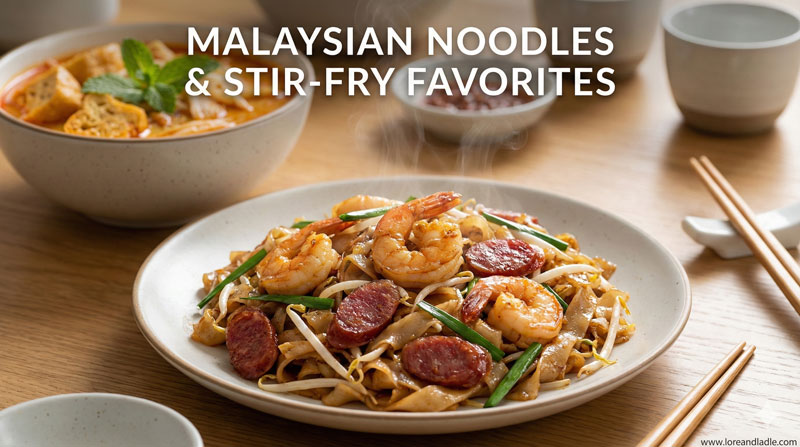
Mee Goreng Mamak Just Like a Malaysian Restaurant is more than a plate of noodles. It is a vivid reflection of Malaysia’s lively food culture, where flavors meet and mingle with skill and care. This dish invites us to slow down and savor the balance of heat, sweetness, and tang, all wrapped in a bright, smoky scent from the wok. It speaks to kitchen craft, shared tables, and the joy of turning simple ingredients into a memorable dining moment. In this post, we explore its cultural value and culinary significance, and How to honor the dish in a home kitchen.
What is Mee Goreng Mamak?
Mee Goreng Mamak is a satisfying fried noodle dish that often features egg noodles, soy and tomato sauces, garlic, onions, and a chorus of additions like prawns, chicken, eggs, and bean sprouts. The name signals its connection to Mamaks, a beloved category of eateries known for warmth, quick service, and a crowd-pleasing menu. The dish blends Chinese-style wok technique with Malay flavoring and Indian spice notes, producing a harmony that feels both familiar and exciting. It is a dish meant for sharing, whether at a busy hawker stall or a family table at Home.
Cultural Value: A Table of Shared Traditions
This dish holds cultural value because it embodies a practice of gathering and exchange around food. It is a common sight in bustling stalls and casual restaurants where cooks greet regulars by name. The act of preparing Mee Goreng Mamak becomes an expression of care for guests, a small ceremony of making a day’s best flavors accessible to many. The dish also highlights how different culinary traditions can harmonize—Chinese noodles, Indian-spiced seasonings, and Malay pantry staples—into a single, approachable plate. In this way, the dish acts as a culinary bridge, inviting people to appreciate taste as a shared language.
Culinary Significance: Technique, Balance, and Bright Flavor
Culinary significance centers on technique and balance. The dish rewards cooks who master the high-heat stir-fry and the art of building flavor layer by layer. The smoky aroma called wok hei rises when the wok is hot and the ingredients are tossed with confidence. A bright balance of tang from tomato and lime, sweetness from palm sugar or kecap manis, and heat from chili provides a dynamic flavor profile. The combination of textures—slightly chewy noodles, crisp bean sprouts, and the softness of eggs—creates a satisfying bite. Through this balance, Mee Goreng Mamak demonstrates how careful preparation and mindful seasoning can elevate everyday ingredients into a dish that feels celebratory.
Signature Elements: Ingredients That Tell a Story
- Noodles: Egg noodles or yellow noodles provide a comforting, springy base.
- Sauce: A lively mix of tomato, soy, and sometimes a dash of sweet soy sauce creates depth and shine.
- Proteins and vegetables: Prawns, chicken, eggs, and bean sprouts add color, protein, and crunch.
- Aromatics and spice: Garlic, onions, chilies, and a touch of MSG or mushroom stock lift the dish with a vivid aroma.
- Finishing touches: Fresh lime, fried shallots, and chopped scallions add brightness and a final crisp note.
These elements tell a story of local markets, street stalls, and the daily routines of cooks who blend flavors with care. The dish thrives on bright contrasts—hot versus mild, soft versus crisp, sweet versus tangy—making each mouthful a small celebration of Malaysia’s culinary sensibilities.
The Wok Hei and Fire: Craft in the Kitchen
Wok hei, literally the breath of the wok, is a cornerstone of authentic Mee Goreng Mamak. It comes from a hot wok, quick tosses, and timing that keeps noodles from clumping. Achieving wok hei is a lesson in respect for fire and patience at the burner. In practice, it means:
– Prepping all ingredients ahead so the cook can move quickly.
– Heating the wok until it shimmers, then adding oil and aromatics to wake the surface flavor.
– Tossing ingredients with swift, confident motions to prevent steaming and to develop that smoky finish.
This technique connects traditional street food with modern kitchen practice, reminding us that skillful fire and timing can elevate humble ingredients into something memorable.
How to Make Mee Goreng Mamak Just Like a Malaysian Restaurant
To honor the dish’s restaurant-level character in a home kitchen, focus on three pillars: authentic flavor balance, quick wok technique, and thoughtful presentation. Start with bright, well-balanced sauces and fresh ingredients. Keep the wok hot and the ingredients moving. Finish with a fresh, crisp garnish to lift the plate.
- Flavor balance: Build a base of tomato and soy with a hint of sweetness. A light splash of lime at the end brightens the dish.
- Heat and aroma: Use a sturdy, wide pan or a well-seasoned wok. Preheat well, then add aromatics quickly to release fragrance without burning.
- Texture: Add bean sprouts and green onions toward the end to keep crispness. Fold in eggs for extra richness.
- Finish: A light scattering of fried shallots and a squeeze of lime bring it all together.
This approach preserves the dish’s spirit while adapting it for a modern kitchen. It honors the tradition of fast, high-heat cooking and the joy of sharing a lively, flavorful meal.
A Respectful Home Kitchen: Tips for Authentic Flavor
- Choose quality noodles and sauces that mirror the depth of restaurant versions.
- Keep a hot, well-oiled pan ready for rapid tossing.
- Prep toppings and proteins ahead so the wok can stay focused on speed and heat.
- Balance sweetness, acidity, and spice in the sauce; adjust to taste after a quick taste test.
- Finish with fresh herbs or onions to add color and brightness.
By following these tips, Home Cooks can echo the craft of a Malaysian restaurant while keeping the experience accessible and welcoming for guests.
The Experience: Dining, Community, and Craft
Mee Goreng Mamak invites people to gather, share, and savor. The dish is not merely a meal; it is an invitation to slow down and appreciate how diverse flavors can come together elegantly. The restaurant-style preparation shows respect for the ingredients and for the diner. When served, it encourages conversation about texture, aroma, and the storytelling power of a well-made plate. In this way, Mee Goreng Mamak becomes part of a living tradition—one that welcomes both seasoned cooks and curious newcomers to explore bold flavors with curiosity and care.
Conclusion
Mee Goreng Mamak Just Like a Malaysian Restaurant embodies the beauty of Malaysian food culture: a dynamic blend of technique, flavor, and hospitality. It celebrates skilled cooking, fresh ingredients, and the pleasure of sharing a thoughtful, well-balanced dish. Whether enjoyed at a bustling stall or prepared at home with attention to detail, the dish remains a bright, inviting representation of culinary collaboration and craft. As you explore this dish, may you feel the warmth of the kitchen, the rise of the wok’s aroma, and the delight of a plate that tells a generous, flavorful story.