
Introduction: A Dish That Brings Restaurant-Quality Flavor Home
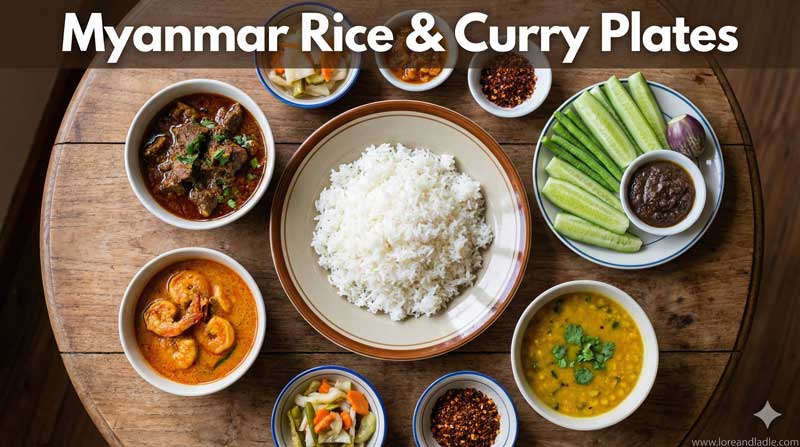
Restaurant-Style Myanmar Rice & Curry Plates You Can Make at Home invites you to savor a balanced, colorful meal in your own kitchen. This dish mirrors a beloved Myanmar dining moment: a generous mound of rice paired with a small chorus of curries, fresh greens, and bright pickles. The result is comforting, vibrant, and deeply respectful of local flavors. In every bite, you taste careful technique, seasonal ingredients, and a sense of shared dining.
The Heart of the Plate: Rice as Anchor and Curries as Stories
Rice sits at the center of the plate, steady and timeless. It grounds the meal and carries the flavors around it. Curries crown the plate with warmth, nuance, and depth. Each curry offers a distinct personality—creamy and coconut-scented, tangy with citrus notes, or bright with herbs. Together, they tell a story of regional ingredients, cooking methods, and daily practice. The plate is designed for harmony, inviting you to mix a bit of curry with rice in every mouthful. This balance is a hallmark of Myanmar’s Home Cooking and restaurant plates alike.
Core Components You’ll Assemble
- Rice: Long-grain jasmine or a similar fragrant rice, rinsed and cooked to separate grains.
- Curry varieties: At least two curries work beautifully. Think a creamy chicken or fish curry and a hearty vegetable or potato curry. Use coconut milk for creaminess or a tomato-onion base for brightness.
- Greens and vegetables: Leafy greens such as morning glory or spinach, and seasonal vegetables for color and crunch.
- Pickles or relishes: A tangy pickle or a quick pickle adds a refreshing contrast.
- Garnishes: Fresh herbs, sliced chilies, fried shallots, and a squeeze of lime lift the plate.
- Accompaniments: A light soup or broth on the side is common in some Myanmar meals, offering a gentle counterpoint to the curries.
The plate is flexible. You can emphasize one curry more than another, depending on your tastes and what’s in season. What matters is balance: protein, vegetables, and a bright counterpoint to the richness of the curries. The result is a meal that feels both restaurant-polished and homey.
Techniques to Recreate Restaurant-Style Flavors at Home
- Prep with purpose: Rinse rice until the water runs clear. Soak briefly if you like, then cook with slightly less water for fluffy grains.
- Build flavor in layers: Start with onions, garlic, and aromatics. Add spices like turmeric, cumin, and coriander for warmth. Finish with a splash of lime or a pinch of sugar to balance tang and sweetness.
- Curry basics: For a creamy curry, simmer protein in coconut milk with aromatics and a gentle spice blend. For a vegetable curry, use roasted or sautéed vegetables to deepen flavor, then finish with a touch of tamarind or lime juice for brightness.
- Texture contrasts: Include a crisp element or fresh herbs to wake up each bite. A sprinkle of fried shallots or a handful of chopped cilantro can transform the plate.
- Make ahead, then finish: Curries can be prepared in advance and reheated. Just adjust seasoning at the end to taste. Fresh greens should be added just before serving to retain their bite and color.
- Plate with care: Mound rice in a neat pile. Ladle curry beside it in small bowls or sections. Arrange vegetables and pickles in color blocks to create an appealing rainbow on the plate.
Plating the Plate: A Feast of Color and Texture
Presentation matters. A well-plated Myanmar rice and curry plate feels inviting and calm. Start with a neat bed of rice. Add two or three spoonfuls of curry in separate sections so each bite can be adjusted. Place greens and vegetables along the edge for a fresh border. Add a dollop of pickle for a sharp contrast. A final drizzle of herb oil or fresh lime can bring brightness. The visual rhythm mirrors the balance in flavor: warm, creamy, tangy, fresh, and crisp all at once. Sharing the plate with others enhances the experience, as everyone discovers new combinations in each bite.
Cultural Value in Everyday Myanmar Food Culture
Meals in Myanmar commonly center around a shared, well-balanced plate. The rice-and-curry model reflects how families approach nourishment: simple staples paired with seasonally available flavors. The plate encourages mindful tasting, where each element supports the others. It is a celebration of aroma, texture, and color—an everyday ritual that honors seasonal produce and careful home cooking. In restaurants and home kitchens alike, this plate invites conversation, generosity, and a sense of place around the table. The practice of building a plate with proportion and balance is a soft culture of hospitality, inviting guests to explore a spectrum of flavors in a single, cohesive meal.
Flavor Journeys: Curries, Freshness, and Seasonality
- Coconut-curry comfort: A curry with coconut milk brings creaminess and a gentle sweetness that pairs beautifully with rice.
- Tangy brightness: A citrusy or tamarind note brightens the plate and refreshes the palate between bites.
- Herb-forward lift: Fresh herbs add aroma and a clean finish that lifts the whole dish.
- Seasonality matters: Use fresh greens and seasonal vegetables when possible. The natural sweetness and crispness of in-season produce elevate the plate.
- Texture interplay: Creamy curries meet crisp pickles or crunchy fried onions for a satisfying dialog of textures.
Practical Tips and Variations
- Protein options: Use chicken, fish, shrimp, or a plant-based option like chickpeas or tofu. Each brings its own charm to the curry.
- Spice level: Start mild, then adjust with fresh chilies or chili oil. A small amount goes a long way.
- Vegetarian-friendly: Build two curries with vegetables and legumes, keeping one dairy-free if needed.
- Gluten considerations: Most components are gluten-free; check any spice blends or sauces if you cook for guests with sensitivities.
- Freshness matters: Use bright lime juice, fresh herbs, and crisp vegetables to finish the plate just before serving.
- Budget-friendly: Rice, curry, and greens can be built with affordable ingredients while still delivering depth and beauty.
A Call to Home Cooks: Making Restaurant-Style Plates Your Own
You can craft these plates to suit your kitchen and palate. Start with the base: good rice and two contrasting curries. Add a green side and a bright pickle for contrast. Then experiment with textures and colors. Invite family and friends to share, and enjoy the conversations that accompany a well-made plate. The beauty of this dish lies in its adaptability and the care behind each step. By recreating restaurant-style plates at home, you honor a living culinary tradition and create meals that feel special, yet accessible.
Conclusion: A Gentle Invitation to Taste and Celebrate
Restaurant-Style Myanmar Rice & Curry Plates You Can Make at Home offer more than nourishment. They invite you into a tradition of balance, color, and shared pleasure. The dish showcases how simple ingredients—rice, a few curries, greens, and pickles—come together with technique and heart. It is a respectful tribute to the cooking that happens in homes and welcoming eateries alike. If you approach it with curiosity and care, you will discover that this plate offers both comfort and discovery in every bite. Welcome to a kitchen where flavor, texture, and hospitality meet.