
Introduction: A Window into Malaysian Taste
Nasi Lemak is a cherished breakfast and beyond in Malaysia. The dish “How to Make Nasi Lemak Just Like a Malaysian Restaurant” invites readers to explore its cultural value and culinary significance. With its fragrant coconut rice and vibrant accompaniments, nasi lemak embodies hospitality, balance, and everyday celebration. This post stays focused on the beauty of the dish and its place in food culture, offering a welcoming, respectful view that honors the craft behind every plate.
Why Nasi Lemak Shines in Malaysian Culture
Nasi lemak sits at the heart of many kitchens and street stalls. First, its aroma signals a warm welcome to the table. Second, the dish blends sweet, spicy, and savory notes in one harmonious bite. Third, it travels across meals—from a quick morning bite to a comforting supper. Finally, the plate invites sharing, a quiet act of care that resonates with families and friends. In this way, nasi lemak becomes a daily ritual as well as a symbol of togetherness.
Core Elements and Their Meaning
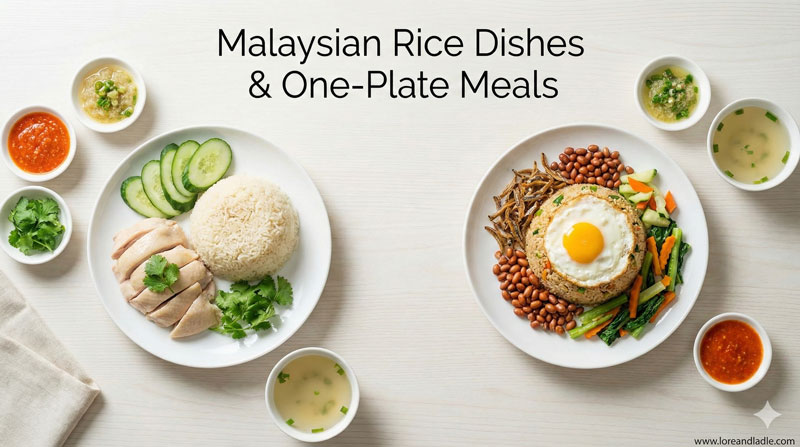
The star element is fragrant coconut rice, gently simmered with coconut milk and pandan leaves. This rice carries a soft, creamy depth that invites spoonfuls of conversation. Sambal provides bright heat and atouch of tang, echoing bold flavors found in many Malaysian kitchens. Crunchy roasted peanuts and crisp fried anchovies add texture and a savory contrast. Slices of cucumber and a hard-boiled egg offer balance, cooling the palate and rounding the plate. Together, these parts tell a story of careful pairing: sweetness meets heat, softness meets crunch, simple ingredients become thoughtful care.
Making It Like a Malaysian Restaurant
To recreate restaurant-style nasi lemak, start with quality ingredients and calm technique. First, rinse the rice until the water runs clear, then cook it with coconut milk, pandan, a pinch of salt, and water to the right balance. Next, prepare the sambal: sauté onion and garlic, add chili paste, and build depth with a touch of belacan or shrimp paste. Simmer slowly until the sauce thickens and bright flavors meld. Then plate with fried ikan bilis, roasted peanuts, cucumber slices, and a softly boiled egg. Finally, serve with extra sambal on the side for those who love a bolder bite. The result is a plate that feels both restaurant-worthy and homey at the same time.
Regional Reflections in a Single Plate
Across Malaysia, nasi lemak takes on subtle regional twists without losing its core identity. Some kitchens emphasize a richer coconut aroma by adjusting milk and pandan, while others spotlight spicier sambal for a more intense experience. Different accompaniments appear, from crispy fried chicken to tender beef rendang, each offering a unique texture and aroma. Yet every version preserves a shared sense of balance: gentle richness from the rice, a kick from the sambal, and a thoughtful mix of crunchy and soft textures.
The Scent and Texture of Hospitality
The scent of nasi lemak is an invitation. The creamy rice, aromatic pandan, and chili heat mingle in a way that feels welcoming and comforting. The textures play together: the soft bite of the rice, the snap of peanuts, the crispness of ikan bilis, and the smoothness of the boiled egg. This combination creates a satisfying, mindful eating experience that inspires lingering at the table and conversation with companions.
Tips for Authentic Flavor
- Use fresh coconut milk and good-quality rice for a creamy base.
- Add pandan leaves to the rice for a distinctive, fragrant aroma.
- Prepare a balanced sambal with chili, onion, garlic, and a touch of shrimp paste.
- Toast peanuts lightly and fry anchovies until crisp for contrasting textures.
- Rinse vegetables like cucumber just before serving to maintain crunch and freshness.
A Gentle Celebration of Food Culture
Nasi lemak is more than a dish; it is a daily celebration of skill, balance, and care. It invites cooks to honor simple ingredients and transform them into something comforting and memorable. By cooking it with patience and attention to detail, you bring a restaurant-like reverence for flavor into your home kitchen. In this light, nasi lemak stands as a vibrant thread in the tapestry of Malaysian food culture—inviting, respectful, and deeply satisfying.