
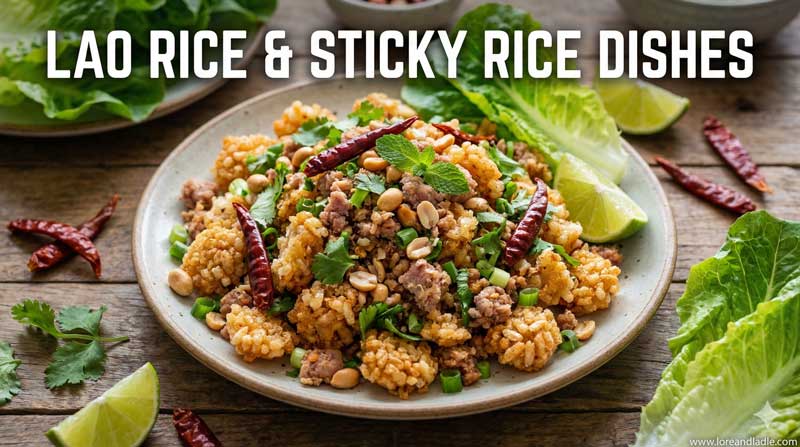
Introduction
Restaurant-Worthy Lao Rice & Sticky Rice Dishes You Can Make Tonight invites you to explore how Lao rice shapes culture and cuisine. This post focuses on the cultural value of rice in Lao dining and the culinary significance of sticky rice. You will find approachable ideas that honor tradition while inviting creativity in your own kitchen. The goal is to celebrate flavor, technique, and the shared joy of a carefully prepared meal.
The Heart of Lao Rice
Rice sits at the center of Lao meals. White rice and glutinous (sticky) rice each have a place, but sticky rice holds a special mood. It is steamed slowly and served warm, often in small woven baskets. The grains cling softly, creating a tactile, comforting feel. In Lao households, rice is not only food; it expresses care, rhythm, and family. Handling the grains by hand and shaping them into little mounds or balls reveals a gentle, intimate ritual. This ritual connects cooks with centuries of farming, markets, and daily life. When you plate Lao sticky rice with a bright dip or a sizzling grill, you honor a lineage of flavor and craft.
Craft and Flavor: Techniques Behind Sticky Rice
The magic starts with the rice itself. Soak the grains lightly, then steam them over steady heat. Steam, not boil, to keep the grains intact and glossy. Fluff the rice gently with a wooden paddle to maintain its texture. The goal is a soft exterior with a slightly chewy center. For restaurant-worthy presentation, keep the grains loose but cohesive, never mushy. Accompany the rice with bold, clean flavors: citrusy lime, bright herbs, and a touch of heat. Dips and sauces, especially fermented or chili-forward ones, elevate the rice without overpowering it. A good Lao rice dish balances texture, aroma, and a clean finish on the palate.
Jeow and Dipping Cultures
Jeow is a family of Lao dips that adds depth to rice dishes. A classic jeow often blends roasted ingredients with fish sauce, chili, garlic, and herbs. The result is a lively companion for sticky rice. Use a bright jeow made with eggplant, fish, or meat, and echo the flavors with fresh herbs on top. The interplay between the rice and the jeow creates a sensory moment: heat and fragrance meet the soft, pale grains. This harmony is a hallmark of Lao culinary culture. When prepared with care, the dip becomes a conversation between texture and spice, every bite inviting you to savor the next.
Dining as a Shared Experience
Lao meals emphasize sharing and connection. Plated dishes invite guests to dip, scoop, and pass. The act of gathering around a few core dishes turns a simple meal into a celebration of community. Sticky rice becomes a center of gravitation, drawing people together. The presence of herbs, citrus, and grilled proteins encourages conversation about flavor and technique. In this spirit, restaurant-worthy Lao dishes are not only about taste; they are about the social beauty of dining together, the way a table becomes a canvas for memory and joy.
Making Tonight: A Restaurant-Worthy Approach at Home
Here is a practical approach to recreate Lao rice meals that feel refined yet homey.
- Start with the rice: rinse lightly, soak briefly, and steam in a bamboo or perforated steamer. Keep it fluffy and glossy.
- Choose a simple, confident protein: grilled chicken, fish, or pork with garlic, lime, and a touch of salt. A clean, bright marinade makes the dish feel elevated.
- Prepare a crisp jeow or dip: blend roasted chilies, garlic, a little sugar, lime juice, and fish sauce. Fold in fresh herbs just before serving.
- Plate with intention: form the sticky rice into small mounds or a neat circle. Place the protein beside it and add a generous spoon of jeow. Garnish with mint or cilantro for color and aroma.
- Finish with texture: a quick, light sear on the protein adds aroma and a restaurant-like finish. A handful of toasted sesame seeds or crushed peanuts can add a subtle nutty note.
- Serve with balance: include a fresh herb salad or pickled vegetables to brighten the plate and reset the palate between bites.
With these steps, you create a dish that respects Lao tradition while satisfying contemporary tastes. The result is a table that feels both rooted in culture and perfectly suited to a modern dinner.
Sourcing and Keeping Fresh: Ingredients and Tools
To capture the Lao rice experience at Home, pay attention to sources and simple tools.
- Rice: look for glutinous (sticky) rice labeled as Lao or Thai glutinous rice. If unavailable, you can use a premium short-grain rice, though the texture will differ.
- Dips and seasonings: fish sauce, lime, garlic, chilies, and herbs are the backbone. Fresh herbs brighten the dish; dill, mint, and cilantro can appear in various Lao preparations.
- Tools: a bamboo steamer or a metal steamer works well for sticky rice. A wooden spoon helps fluff the grains gently. Simple serving baskets or small plates enhance the presentation.
- Freshness: use herbs and greens promptly for the best aroma and color. If you prepare in advance, keep components separately and assemble before serving.
A Window into Lao Cultural Value and Modern Appeal
Lao rice dishes blend history with modern flavor. The technique of soaking, steaming, and gently shaping sticky rice reflects careful craft. The dips introduce bright contrasts that invite exploration. Plating emphasizes balance and clarity, echoing a respect for ingredients. This approach yields dishes that feel both timeless and vivid. In kitchens around the world, these Lao rice dishes offer a doorway to a thoughtful, sensory dining experience.
Final Thoughts
The beauty of Lao rice lies in its simplicity and its capacity to bring people together. When you cook Lao sticky rice with a fragrant jeow and a well-grilled protein, you honor a cuisine that values texture, balance, and community. The result is restaurant-worthy dining you can enjoy tonight, right from your home kitchen. By embracing the technique and spirit behind Lao rice, you open a small doorway to a larger tradition of warmth, skill, and shared delight.