
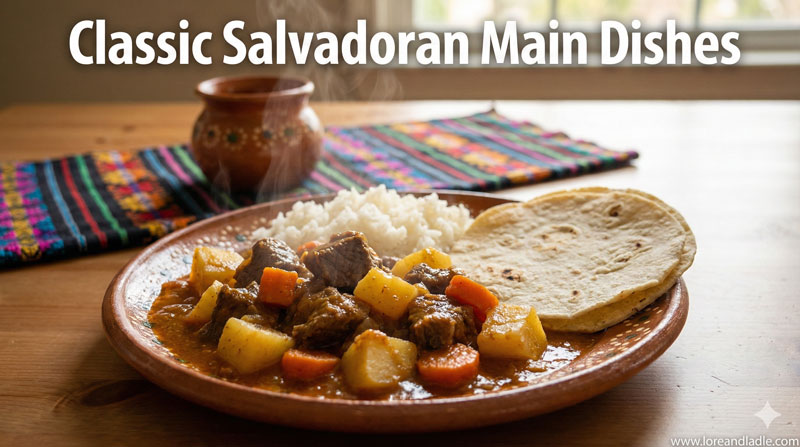
Simple Ingredient Swaps to Lighten Up home-style Salvadoran chicken and rice plates
This blog explores how a beloved Salvadoran classic—home-style chicken and rice—can stay deeply comforting while embracing lighter ingredients. The goal is to honor the dish’s warmth, celebrate its everyday magic, and offer swaps that lift flavor and texture without losing its soul. When we speak of this plate, we speak of family tables, bright aromas, and a one-pot embrace that many cooks return to week after week.
The heart of the dish: comforting flavor and everyday beauty
Salvadoran arroz con pollo centers on harmony. A skillet yields tender chicken, sautéed aromatics, and rice that soaks up color and warmth. The dish wears its influences lightly: garlic, onion, bell pepper, and tomatoes mingle with herbs like cilantro. You’ll often find peas, carrots, and green beans glinting in the mix, adding sweetness and bite. The result is a vibrant, moderately seasoned dish that feels bright, homey, and generous. It is a meal that welcomes a crowd, invites sharing, and makes the kitchen glow with sunset-like color.
What makes this plate special goes beyond flavor. It is a staple of everyday life, a reliable canvas for seasonal produce, and a reflection of pantry-style ingenuity. It teaches balance: the rice provides starch and body, the chicken offers protein and savor, and the vegetables bring color, lightness, and crunch. The dish invites cooks to tune a single pot into a complete, nourishing story for the table.
Lightening the dish: practical swaps that preserve flavor
Here are gentle, concrete swaps you can try to lighten the plate while keeping its essence intact. Each swap is designed to keep the dish familiar, welcoming, and deeply Salvadoran in spirit.
- Swap white rice for brown rice or a 50/50 rice blend. This change adds fiber and a nutty note while absorbing the tomato- and herb-infused sauce. If you prefer a quicker option, use parboiled rice, which holds up well in one-pot cooking and stays gentle on the teeth.
- Choose lean poultry or skinless cuts. Opt for skinless chicken thighs or breasts, trimmed well. Marinate briefly with lime and a touch of garlic to lock in moisture and flavor, then brown lightly. This step keeps the meat juicy without needing extra oil.
- Reduce oil and use smart sautéing. Cook aromatics (onion, garlic, bell pepper) in a nonstick pan or with a teaspoon or two of oil. You can also start with a splash of broth or water to glaze the pan and prevent sticking.
- Increase vegetables for volume and brightness. Add more peas, diced carrots, and bell peppers. You’ll get more texture, color, and a sense of abundance without heavy fats. For extra crunch, toss in a handful of finely chopped zucchini or corn kernels near the end.
- Use a lighter tomato base. Crushed tomatoes or a light tomato sauce provide color and depth without heaviness. Sauté the base with onions and garlic, then fold in the rice to toast gently before simmering. This builds flavor with less fat.
- Choose low-sodium broth and mindful seasoning. Use low-sodium chicken broth to control salt. Rely on fresh cilantro, lime juice, and a pinch of dried oregano or cumin to bring warmth without relying on salt and fat.
- Brighten with citrus and herbs at the end. A final squeeze of lime juice and a handful of chopped cilantro lift the plate. Fresh herbs brighten the dish and create a clean, balanced finish.
- Balance with a touch of dairy, if desired, in moderation. If you enjoy a creamy note, opt for a small splash of low-fat coconut milk or evaporated skim milk stirred in at the end. Use sparingly to keep the light feel, and avoid heavy creams.
- Serve with a crisp, tangy salad or curtido. A quick cabbage slaw with lime and vinegar adds brightness and acts as a palate cleanser, complementing the warmth of the rice and chicken.
- Keep color and aroma alive with fresh toppings. Scatter chopped scallions, cilantro, or parsley to add a fresh finish that signals lightness and care.
By focusing on portion balance, more vegetables, and lighter cooking fats, you keep the dish approachable for everyday meals while inviting new flavors into familiar territory. The swaps honor the original structure—protein on rice with a bright sauce—while offering a gentler, more plant-forward profile.
Technique tips to preserve depth and keep the dish lively
Lightening the dish works best when technique stays steady and deliberate. A few mindful steps preserve depth without heaviness:
- Brown the chicken well, then deglaze. Proper browning adds flavor and color, which helps you reduce fats later. After browning, deglaze with a small amount of broth to lift browned bits from the pan.
- Toast the aromatics gently. Sauté onions, garlic, and peppers until they glow. This builds a sweeter, deeper flavor base, reducing the need for added fats.
- Build flavor in layers. Add tomatoes or tomato sauce to form a sauce base. Let it simmer briefly to meld with the aromatics before adding rice. This layering keeps the dish cohesive and robust.
- Simmer with just enough liquid. Use a light chicken broth or water in a ratio that lets the rice finish without turning mushy. A covered pot at a gentle simmer encourages even cooking and a tender texture.
- Rest before serving. Let the finished dish rest for 5–10 minutes off heat. Resting helps the rice absorb last flavors and keeps the chicken moist.
- Balance salt gradually. Start with a modest amount of salt, then adjust after adding vegetables and citrus. This keeps the plate bright without overwhelming the palate.
These techniques ensure that each bite is clean, flavorful, and balanced, even as you switch to lighter ingredients. The method respects the dish’s integrity and invites home cooks to experiment with confidence.
Cultural value and culinary significance: a table of belonging
This Salvadoran chicken and rice plate embodies everyday culture in a meaningful way. It is a dish that travels from market to kitchen table, absorbing local produce and seasonal gifts. Its beauty lies in its accessibility: simple ingredients come together through care, timing, and a shared sense of hospitality. Families pass down this practice as a practical skill and a ritual of gathering. The pot becomes a small stage where colors bloom, scents rise, and conversations deepen.
The dish also showcases flexibility and resourcefulness. Cooks adapt to what’s fresh and affordable, turning humble Pantry Staples into a comforting centerpiece. The result is a meal that feels both grounded and generous—the kind of dish that invites everyone to take part, from a busy parent after a long day to a grandparent sharing a memory-laced spoonful with a young grandchild.
Color, aroma, and texture play a central role. The red-tinted sauce, the glossy rice, the tender chicken, and the crisp vegetables bring a sensory celebration that speaks to community, not grand ceremony. It is a meal that carries seasonal pride—bright greens in spring and summer, warm earth tones in autumn and winter—while staying rooted in the idea of nourishment and care.
Serving ideas and regional twists: honoring variety
Salvadoran households offer subtle regional accents that enrich the dish without changing its core. A few thoughtful variations include:
- Curtido on the side. A tangy cabbage-and-carrot slaw rooted in lime and vinegar provides a refreshing counterpoint to the warm rice. It also helps balance richness with brightness.
- Plantain pairing. Fried ripe plantains or gentle tostones add sweetness and texture, echoing the balance between starch and fruit in many Latin American meals.
- Fresh herb accents. A scatter of chopped cilantro or parsley near the end enhances brightness and aroma without adding heaviness.
- Lime and hot sauce touch. A squeeze of lime and a drizzle of a mild hot sauce invite guests to customize their plate, reinforcing the social aspect of sharing food.
- Simple salads. A light cucumber-tresh salad with onion, cilantro, and a light vinaigrette adds color and a crisp bite to the meal.
- Gentle regional twists. Some cooks use a touch of annatto or paprika to deepen color and warmth; others rely on fresh tomato to achieve a vivid, comforting hue. Both approaches honor local taste while staying faithful to the dish’s spirit.
These serving ideas keep the experience dynamic while preserving the dish’s core identity. They invite conversation around flavors, textures, and the shared joy of a well-made meal.
Mindful cooking: sustainability, seasonality, and respect for ingredients
A lightened version of this dish is not only about nutrition; it’s also about thoughtful cooking. Choose seasonal vegetables that are at their peak for maximum flavor and minimal environmental impact. Shop for fresh cilantro, peppers, and carrots when they’re abundant, and use them generously. Plan portions to avoid waste, and save vegetable scraps for a quick homemade broth if you like. Small choices—like swapping a single ingredient for a lighter option or enhancing with herbs instead of salt—add up to a more mindful kitchen experience.
Closing thoughts: celebrating simplicity and flavor
The Simple Ingredient Swaps to Lighten Up home-style Salvadoran chicken and rice plates celebrate the beauty of everyday cooking. By embracing lighter ingredients while preserving the dish’s core character, we honor the skill and warmth of Salvadoran home kitchens. The result is a plate that feels inviting, balanced, and deeply satisfying—an everyday treasure that welcomes family, friends, and neighbors to the table.
If you’re new to this dish, start with a gentle swap: try brown rice in place of white, or add an extra cup of vegetables to the pot. Notice how the color brightens, how the aroma shifts, and how the texture remains comforting. If you’re already a fan, experiment with a few of the lighter options, then share your favorite version. In the end, this dish stands as a testament to how simple ideas—careful technique, fresh ingredients, and a generous heart—can create something deeply memorable.