
A warm introduction to the desayuno
Desayuno típico Salvadoran breakfast plates offer more than sustenance. They open a morning story of color, texture, and balance. In Salvadoran cooking, the first meal of the day blends comfort with bright, fresh ingredients. When you encounter these morning plates in the United States, you taste a living tradition that travels beautifully across kitchens. This post highlights the cultural value and culinary significance of the classic desayunos, and helps you choose a plate that sings with flavor.
Core elements that define the plate
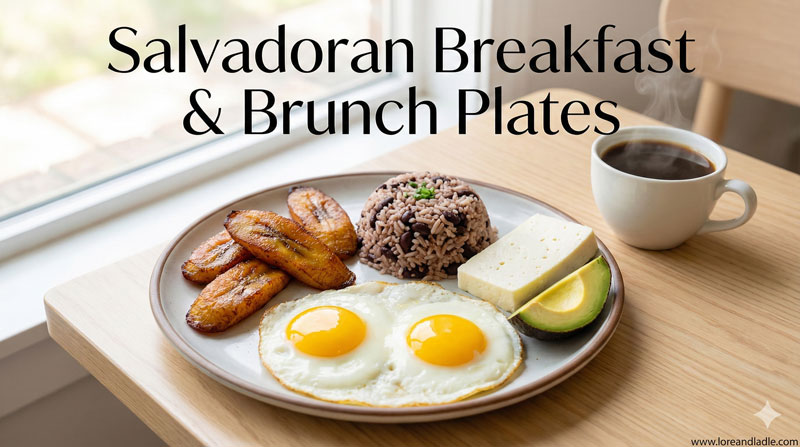
A true Salvadoran breakfast centers on a few reliable elements. White rice and beans provide a gentle, creamy foundation. Eggs arrive in comforting forms, whether fried, scrambled, or sunny-side up. Plantains, often fried to a caramelized sweetness, bring contrast and depth. A tangy creama or fresh queso fresco adds richness, while warm corn tortillas or slices of tortilla on the side invite gentle wrapping and dipping. This trio of grains, proteins, and sweetness creates a harmony you can feel in every bite. Casamiento, a classic mix of rice and beans, often appears as a base, tying textures and flavors together with a comforting familiarity.
The classic plate you’re likely to find
The Desayuno Salvadoreño typically features:
– Rice and beans served side by side or lightly mingled
– Eggs prepared to your preference
– Fried plantains with their soft-sweet center
– Queso fresco or cream for a mellow, creamy note
– Warm tortillas to wrap and scoop
This combination is flexible enough for breakfast in busy towns and refined enough for a slow weekend morning. Some menus offer a “desayuno completo” with a bit more protein, such as carne asada or chorizo, while keeping the beloved core elements. The result is a bright, satisfying plate that feeds both body and spirit.
Texture and flavor: a well-balanced bite
Texture carries as much character as taste. The soft, creamy beans meet the crisp edge of a freshly fried plantain. The creamy crema lightens the dish, while the grainy rice gives structure. The tortilla acts as a gentle vehicle, letting you scoop and savor without overpowering any single component. The flavors lean toward savory and comforting, with a touch of natural sweetness from ripe plantains. This balance makes the desayunos easy to share and easy to enjoy across generations and moods.
In the United States: how chefs honor tradition
Salvadoran restaurants in the United States often honor the breakfast tradition with faithful ingredients and careful technique. Chefs select high-quality beans and cook them slowly for a mellow, full flavor. Rice is fluffy and separate, not mushy, to preserve texture. Plantains are ripe, fried to a golden edge, and kept crisp on the outside while staying tender inside. Queso fresco adds a gentle tang, while crema softens the bite with creaminess. Even when kitchens adapt to local produce, the essence remains: a plate that invites warmth, conversation, and a hopeful start to the day.
The perfect beverage pairing
Coffee is a natural partner. A cup of bold Salvadoran coffee, sometimes finished with milk, complements the meal’s creamy notes and mild spices. If you prefer something lighter, a fresh agua fresca or a traditional brew can refresh the palate between bites. The beverage choice enhances the plate without overpowering its understated richness.
How to order with ease and appreciation
If you’re new to these plates, here are simple ways to order:
– “I’d like the Desayuno Salvadoreño, please, with rice, beans, eggs, plantains, and tortillas.”
– “Desayuno completo, please, and can I have crema and queso fresco on the side?”
– “A coffee to go with the breakfast, please.”
In most menus, you’ll see options to customize the egg style or add extra plantains. Don’t hesitate to ask how the beans are prepared if you’re curious about the texture and flavor.
A cultural moment on the table
The desayuno is more than food—it’s a daily ritual that invites calm and connection. Sharing a breakfast plate or taking time to savor each component reflects a culture that values heartful cooking and communal meals. The plate celebrates simple ingredients elevated through technique: careful bean simmering, proper rice texture, and the sweet finish of plantains. In the U.S., these plates carry that cultural echo into new neighborhoods, inviting locals and visitors to pause, taste, and appreciate a culinary craft that is warmly human.
A final note: celebrate the beauty of this breakfast
Desayuno típico Salvadoran plates are a bright, inviting gateway to a morning tradition. They showcase how thoughtful combinations of grains, protein, and fruit can create a meal that feels restorative and celebratory at once. Whether you’re exploring a Salvadoran restaurant in your city or trying a plate at Home, you’re partaking in a culinary story that honors balance, texture, and the joy of starting the day well.