
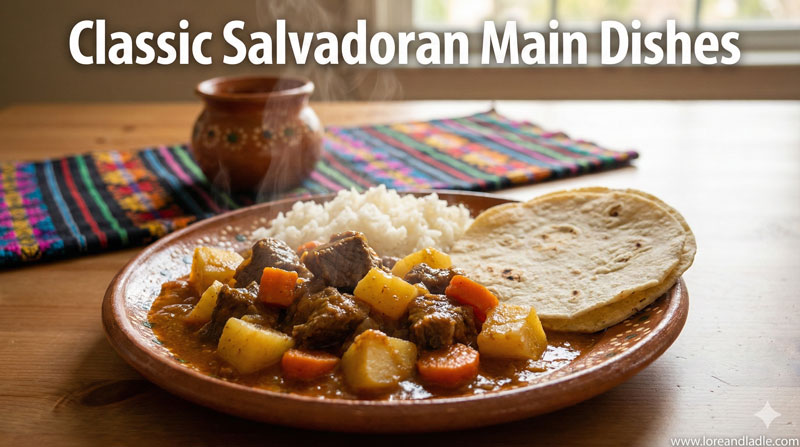
A Warm Welcome to Salvadoran Carne Asada at Home
Carne asada Salvadoran-style, served with rice and beans, is more than a dish. It is a welcome invitation to gather, share, and savor. The aroma rises from the grill and fills the kitchen with bright zest and warmth. In homes across El Salvador, this meal shines as a daily celebration of flavor, craft, and togetherness. It invites us to slow down, notice the details, and honor the beauty found in simple, well-made food.
The Heart of the Grill: Carne Asada in Salvadoran Cuisine
Salvadoran carne asada is built on respect for good beef, careful seasoning, and precise fire. The beef is cut and prepared to shine, then kissed by a lively marinade. Citrus notes brighten the meat, garlic and herbs add depth, and a touch of salt ties the flavors together. When the steak meets the grill, crisp edges form and a fragrant layer rises into the air. This moment—fire meeting meat—speaks to a culinary appreciation for technique, patience, and craft. The result is a tender, flavorful bite that carries the spirit of careful hands and family kitchens.
Culinary significance comes from how the dish fits into everyday life. It appears for weekend gatherings, festive dinners, and everyday meals that feel special. The dish demonstrates how a few well-chosen ingredients can become something memorable. It shows respect for the land and for the practical skill of turning simple pantry items into something celebratory. In this way, carne asada becomes a living reminder of culinary tradition that travelers can taste in a single meal.
The Harmony of Rice and Beans: A Central Pair
Rice and beans are the steady backbone of Salvadoran meals. When paired with carne asada, they create balance and contrast in texture and flavor. The rice offers a delicate, fluffy bite that carries sauces and juices. The beans provide a creamy, hearty counterpoint with comforting richness. Together, they frame the beef with warmth and nourishment. This trio reveals a culinary philosophy: bright, crisp flavors from the grill meet soft, comforting staples at the table.
The cultural value of rice and beans lies in their role as everyday staples that can elevate a simple feast. They travel easily from pot to plate, inviting everyone at the table to contribute. In many homes, preparing rice and beans is more than cooking; it is a ritual of care. The method stays steady across generations, teaching patience and precision. When served with carne asada, the trio becomes a graceful expression of home, hospitality, and shared joy.
Marinade and Fire: Crafting Flavor with Care
The beauty of Salvadoran carne asada rests on balance. A bright marinade lifts the beef without overpowering it. Citrus provides lift, while garlic and herbs add depth. The meat rests briefly, letting flavors mingle. On the grill, the heat creates a crisp surface that seals in juice. The result is a tender bite with a lively exterior.
This process celebrates culinary craft in a home kitchen. It highlights the value of attention to detail and the skill of timing. It also honors the natural character of the beef. A good marinade and careful grilling reveal a love of flavor and a respect for the ingredient. In this way, the dish becomes a teacher: it shows how thoughtful preparation and simple techniques can transform a meal into something memorable.
Food Culture at Home: Sharing, Hospitality, and Connection
Salvadoran meals emphasize hospitality and connection. A plate of carne asada with rice and beans invites conversation. Guests are greeted with the scent of sizzling meat, a signal that the table is ready. Slices are shared, and the act of serving becomes a small ceremony—grace in the kitchen and generosity at the table.
This culture of sharing strengthens bonds. It gives people a moment to pause, to listen, and to celebrate one another. The meal becomes a memory, not just a recipe. The flavors linger in conversation and in the laughter that fills the room. In this way, the dish carries social value as much as culinary value.
The Grill as a Gathering Space: A Visual and Sensory Center
The grill, the sizzling sound, and the aroma create a focal point for gatherings. The act of cooking together—marinating, turning the meat, and checking for readiness— draws people close. The table setting, the warm light, and the steady rhythm of conversation complete the experience. The dish becomes a centerpiece for fellowship, a moment when food and people meet in harmony.
This social dimension matters. It shows how cuisine can shape shared rituals and everyday joy. It also demonstrates the artistry found in home cooking: the way a family or a friend group makes room for everyone at the table, how flavors guide conversation, and how a simple meal becomes a reason to celebrate together.
A Respectful Home Version: Keeping the Spirit When Cooking at Home
Cooking carne asada at Home offers an opportunity to honor tradition while adapting to personal preference. The essence remains: bright flavors, a careful approach to the grill, and a careful balance with rice and beans. Home cooks can maintain the dish’s spirit by choosing fresh ingredients, paying attention to timing, and presenting the final plate with care. Even small touches—a squeeze of citrus at the end, a sprinkle of herbs, or a pair of fresh tortillas—keep the culture alive in a personal kitchen.
This respectful approach invites everyone to participate. It makes room for learners, curious guests, and seasoned cooks alike. It also keeps the focus on flavor, texture, and the joy of sharing. By approaching the dish with curiosity and care, home cooks can bring the beauty of Salvadoran cuisine into daily life.
A Gentle Farewell: The Enduring Beauty of the Meal
Carne asada Salvadoran-style with rice and beans at home is a story told in flavor. It speaks of fire and freshness, of balance and nourishment, and of warmth at the table. It invites respect for ingredients and gratitude for the hands that prepare them. It invites us all to slow down, savor each bite, and enjoy the moment of connection.
If you are new to this dish, let the aroma guide you. Let the simple, honest flavors tell their story. Then share the plate, invite a friend or family member to join, and let the meal become a small celebration of culture, craftsmanship, and community. In this way, the dish lives on—quietly, beautifully, and forever at home.