
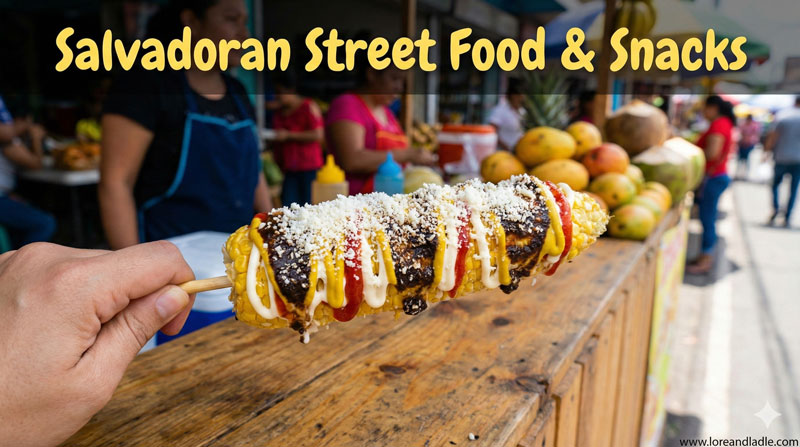
Why Salvadoran corn fritters served hot from the griddle Is Winning Over U.S. Foodies
Savory, fresh, and deeply comforting, Salvadoran corn fritters served hot from the griddle bring a bright note to everyday meals. They invite curiosity with their simple ingredients and reward with lively texture and aroma. In today’s bustling food scene, these fritters connect traditional snippets of Salvadoran cooking with the fast pace and diverse tastes of U.S. kitchens. The result is a dish that feels both timeless and timely, a small but powerful act of sharing through food.
A quick introduction to the fritters
These corn fritters are compact, golden, and easy to love. They start from corn kernels softened and warmed on a hot surface, then come together in a batter that stays light yet sturdy enough to hold a perfect shape. The fritters cook quickly on a flat griddle, creating a crust that crackles slightly when you bite in. The interior remains tender, with the sweet pop of corn balancing a gentle hint of salt and spice. The experience—crisp exterior, soft center, and a toasty corn aroma—is both comforting and exciting for first-time tasters and seasoned food lovers alike.
The griddle as a stage for flavor
The griddle is not just a cooking surface. It is the stage where corn’s natural sweetness unlocks its fullest personality. Heat caramelizes the sugars in the kernels, while a thin layer of oil helps form a crisp boundary. The hot, even surface produces a light browning that intensifies aroma and depth. The result is a fritter that carries a warm, inviting perfume of toasted corn with every flip. This griddle moment is where tradition meets modern appetite, and it draws in those who crave a quick, satisfying bite.
The batter: corn, texture, and balance
The batter centers on corn. Some versions use fresh kernels mashed lightly, others rely on finely ground corn flour for a smoother texture. A small amount of egg or a dairy element can bind the mixture, while salt, a touch of sugar, and perhaps a bit of onion or herbs lift the flavor. The goal is a batter that holds together in a patty yet remains open and tender inside. A sprinkle of cheese or a folded-in herb can add depth, but the most important note stays the corn’s bright sweetness. The batter’s balance invites a wide range of accompaniments, making it easy to adapt for different occasions.
Texture, aroma, and the eating moment
As the fritters finish on the griddle, their scent rises—corn, toasty edges, a whisper of onion or herbs. The outside firms into a delicate crust, while the inside stays soft and plump with kernels. When you bite, you feel a gentle resistance that gives way to a melt-in-your-mouth softness. The mild savoriness makes them versatile: they pair beautifully with tangy sauces, creamy drizzles, or crisp garnishes. The overall moment is simple, intimate, and utterly satisfying.
Cultural value and culinary significance
Salvadoran corn fritters are more than a snack; they are a small celebration of maize as a daily staple. They reflect a culture that thrives on practical, joyful cooking—food that is approachable, shareable, and delicious. These fritters are often part of family gatherings, markets, and casual meals, where the act of cooking and sharing creates a sense of belonging. The fritters also highlight the versatility of Salvadoran Home Cooking, showing how a few thoughtful ingredients can transform into something comforting and memorable.
In the broader landscape of Salvadoran cuisine, corn takes a central role. Alongside pupusas, tamales, and other corn-based dishes, fritters demonstrate the grain’s adaptability—from masa dough to crisp, pan-fried bites. This variety emphasizes maize as a unifying thread in everyday meals, celebrating flavor, technique, and communal eating without ceremony or pretension.
Why they win over U.S. foodies
U.S. food lovers gravitate toward these fritters for their bright corn flavor, approachable size, and satisfying bite. They fit easily into a modern eating pattern: quick to prepare, handheld, and full of texture. The hot-from-the-griddle service adds immediacy and a sense of theater—an aroma that welcomes diners to taste before they even take a bite. The flexibility to pair with different toppings and salsas makes them adaptable for picnics, brunch, or weeknight dinners. In short, they deliver authentic flavor with a contemporary sensibility.
Serving ideas and pairings
- Classic pairing: a dollop of crema or a light yogurt drizzle, with a side of curtido (savory pickled cabbage) for a refreshing contrast.
- Salsa and zing: a bright tomato-chile salsa or a tangy avocado salsa adds brightness.
- Creamy balance: a touch of queso fresco or crumbly feta can echo the fritter’s gentle saltiness.
- Fresh accents: lime wedges, chopped cilantro, and sliced radish bring color and a crisp note.
- Beverage suggestions: a cold sparkling agua fresca or a light beer complements the corn sweetness without overpowering it.
Tips for home cooks
- Use fresh corn if possible; if not, high-quality frozen corn works well.
- Keep batter thick enough to hold its shape, but not so stiff that it won’t spread slightly on the grill.
- Preheat the griddle and oil lightly to prevent sticking and ensure even browning.
- Don’t overcrowd the pan; give each fritter space to form a crust.
- Flip once the edges begin to set and the bottom is golden brown.
A note on keeping the joy in focus
The beauty of Salvadoran corn fritters lies in their simplicity and their ability to bring people together around a shared table. They honor craftsmanship, celebrate the sweetness of corn, and invite curious palates to explore a familiar comfort with a fresh spark. Each bite affirms that delicious, well-made street and home foods can travel well, inviting appreciation and new favorites along the way.
Closing thoughts
Salvadoran corn fritters served hot from the griddle offer a clear, inviting path from a single kitchen to many tables. Their cultural value grows from the care in preparation, the balance of flavors, and the pleasure of eating something that feels both traditional and new. For food lovers in the United States, they present a tasty, accessible gateway to Salvadoran cooking—an everyday delight that speaks to skill, warmth, and the joy of sharing good food.