
What Makes Authentic Salvadoran-style mac and cheese with curtido So Special in El Salvador and the U.S.?
This dish blends comfort with bright contrasts. In El Salvador, families cook it for everyday meals and festive gatherings. in the United States, Salvadoran cooks share it in homes and local eateries. The creamy pasta meets crisp, vinegary curtido to create a harmony that feels both familiar and exciting. The dish is more than food; it is a careful celebration of flavor, craft, and care.
The partnership of creaminess and crunch
At the center is a silky, creamy macaroni and cheese. The pasta is tender but not mushy, holding onto the cheese sauce. The sauce is smooth, often lightly seasoned, and rich in flavor without overpowering the pasta. Curtido, the bright companion, brings crunch, acidity, and a note of tang. It often includes shredded cabbage, carrots, onions, and a splash of vinegar. Together, they balance sweetness and brightness with comforting richness. Each bite can pair the soft bite of the noodle with the crisp bite of curtido, creating a lively texture journey on the palate.
Curtido: The bright, tangy heart of the dish
Curtido is more than a side—it is a signature accent that orients the meal. Its acidity slices through the cream, waking the senses and refreshing the mouth. The herbs and vegetables invite aromatic and crisp notes. This slaw is quick to Make, yet its impact is lasting. It echoes the food’s roots in everyday cooking and in celebratory plates alike. In both El Salvador and the United States, curtido serves as a lively counterpoint that highlights balance, technique, and care in preparation.
In El Salvador: kitchens, markets, and tables
In El Salvador, this mac and cheese often appears in homes alongside staples like beans, rice, and fresh tortillas. It can be a comforting weekday staple or part of a larger spread during family meals. The method invites family participation—children learn to boil pasta, stir the sauce, or shred cabbage for curtido. The dish is also found in markets and casual eateries, where it can be served as a bright, filling option that travels well from stove to table. Its presence in daily life makes it a dependable, unifying dish that many households know by heart.
In the United States: a bridge between kitchens
Across the United States, Salvadoran cooks adapt the recipe with ingredients available in local markets. Cheeses may vary—from traditional-mild blends to cheddar or Monterey Jack—each choice shaping the sauce’s character. Pasta shapes stay simple and comforting, with elbow macaroni remaining a favorite. Curtido may be prepared with the same core mix, though pickling times can vary to suit local tastes. The dish travels easily to family gatherings, community events, and neighborhood eateries, where it acts as a welcoming introduction to Salvadoran flavors. In this setting, the dish also becomes a shared point of pride, inviting listeners to taste and learn without needing a long travel.
Techniques that elevate flavor and texture
A successful batch balances several skills. The cheese sauce should emulsify smoothly, avoiding clumps or separation. Gentle heat keeps proteins from tightening, preserving a velvety finish. A touch of milk or cream can help the sauce stay glossy as it coats the pasta. Curtido benefits from a crisp shred of cabbage and a bright vinegar punch; the pickling quickens the acid’s impact while preserving the crunch. Fresh onions and a hint of oregano or other herbs lightly perfume the mix. When done well, the dish smells inviting and looks vibrant—creamy pasta under a glossy cap, with a colorful, crunchy crown of curtido.
Cultural value: everyday rituals and joyful gatherings
This dish embodies daily life and shared celebration. It shows how simple ingredients can become deeply meaningful when prepared with care. Cooking becomes a gesture of hospitality, welcoming friends and family to the table. The bright curtido acts like a welcome signal, inviting conversation and connection as people eat. In both El Salvador and the United States, the dish appears at meals that mark ordinary days and special occasions alike. Its versatility makes it a quiet ambassador of flavor, inviting curiosity and respect for technique and tradition.
Flavor profiles that invite memory and exploration
The creamy macaroni brings warmth and nourishment. The cheese offers umami and a gentle savor that lingers. Curtido adds acidity, crunch, and a hint of spice depending on the recipe. The combination invites mindful tasting: notice how the tang of curtido cuts through the richness, how the pasta’s softness yields to the crisp bite of the slaw, and how the plate gains color and life with each addition. This interplay of textures and tastes is at the core of its appeal, making each bite feel both familiar and new.
Presentation and sharing: plate as a story
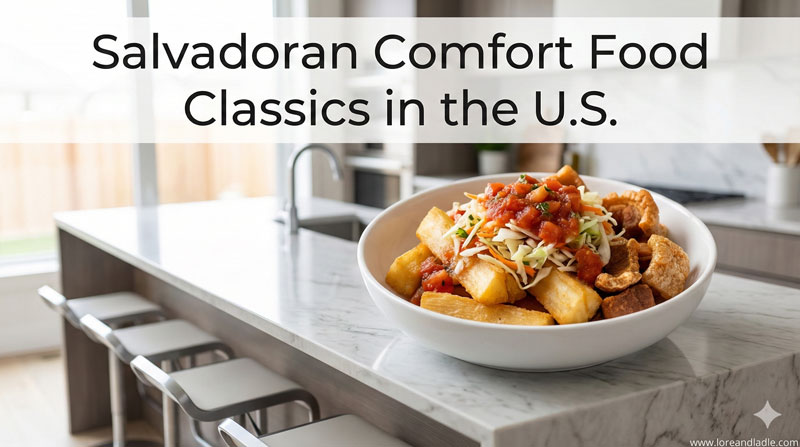
Served on a clean plate, this dish presents with a contrast of pale pasta and bright curtido. A simple garnishing of chopped herbs or a light drizzle of hot sauce can finish the look. The presentation invites sharing, as a family or a group gathers around the table. The practice of serving a generous portion of curtido on the side or on top emphasizes inclusion and generosity. These small choices in plating reinforce the dish’s role as a celebratory and everyday favorite.
How to approach tasting this dish with appreciation
- Start with a bite of curtido alone to sense its brightness.
- Then enjoy a forkful of macaroni and cheese to feel the creamy texture.
- Finally, mix both elements to experience balance and harmony.
- Notice how the acidity sharpens the palate between bites of rich sauce.
- Observe the color and texture changes as the dish cools slightly and the flavors meld.
A culinary dialogue between El Salvador and the United States
The dish travels through kitchens, evolving with ingredients and preferences while keeping its essence intact. In El Salvador, it reflects the regional palate and home cooking traditions. In the United States, it demonstrates adaptability and hospitality across communities. The result is a dish that invites both familiar comfort and new exploration. This dialogue, carried in flavors, reveals the beauty of cross-cultural cooking—respect for technique, curiosity about ingredients, and delight in shared meals.
Inviting readers to experience this dish
If you have the chance, try making authentic Salvadoran-style mac and cheese with curtido at Home. Start with a simple cheese sauce and tender pasta. Prepare curtido with crisp cabbage, carrots, onions, and a bright vinegar mix. Plate with care, and offer curtido on the side to let each diner control the balance. Enjoy the creamy texture, the tangy crunch, and the sense of place that comes through in every bite. The dish, in its warmth and brightness, welcomes and consoles in equal measure.
Conclusion: celebrating flavor, craft, and community
Authentic Salvadoran-style mac and cheese with curtido stands out for its careful balance of textures and flavors. Its cultural value lies in its everyday accessibility and its capacity to gather people around a table. The dish showcases a practical artistry—simple ingredients treated with attention to timing, temperature, and proportion. In El Salvador and in the United States, it remains a beloved expression of comfort, pride, and shared culture. By honoring its preparation and savoring its contrasts, we celebrate the beauty of Salvadoran flavors and the joy of cooking that brings people together.