
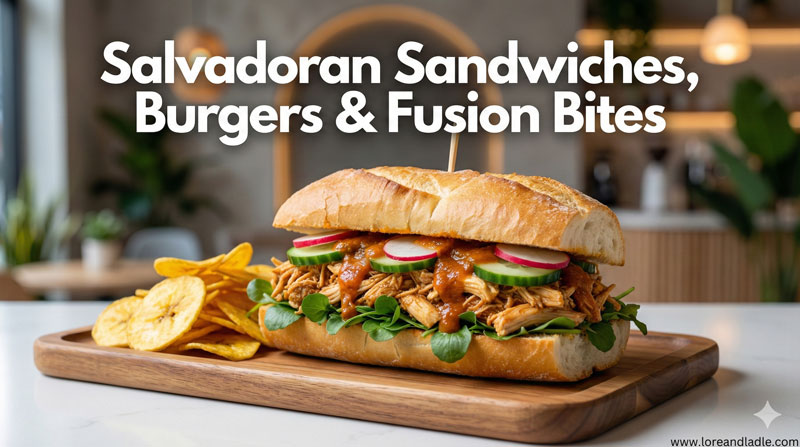
Introduction
Salvadoran turkey sandwiches inspired by panes con pavo offer a bright window into the country’s vibrant food culture. This dish blends familiar bakery bread with crisp vegetables, mellow turkey, and a gentle kiss of sauce. in the United States, it travels beyond a simple sandwich to become a shared moment of taste, memory, and craft. The experience hinges on balance—soft bread, fresh produce, and a savory harmony that welcomes every bite. Read on to discover why this sandwich stands out, how it expresses culinary values, and what to order when you visit Salvadoran restaurants in the U.S.
What makes panes con pavo-inspired turkey sandwiches special
Panes con pavo-inspired sandwiches take a classic Salvadoran idea and refract it through modern dining habits. The bread acts as a canvas, absorbing flavors while staying resilient enough to cradle fillings. The turkey brings a mild, clean sweetness that plays well with tangy mayo, crisp lettuce, and ripe tomato. What shines is the way these elements are layered with care to create a cohesive bite. Each component supports the next, guiding the palate from texture to texture with clarity and grace. This is not just a sandwich; it is a small showcase of Salvadoran hospitality translated into a hand-held meal.
The culinary philosophy behind the sandwich
At its heart, this sandwich embraces balance and technique. It values fresh ingredients, precise preparation, and warm comfort. The approach is simple on the surface, yet deliberate in execution. The bread is toasted to add a gentle crunch and aroma. The turkey is sliced to a thickness that yields tenderness without losing structure. Vegetables are chosen for color, crunch, and brightness, ensuring every bite feels alive. Sauces and cheeses—when present—are used to unify flavors rather than overwhelm them. The result is a sandwich that feels familiar yet distinctly Salvadoran in spirit.
Flavor profile and textures to expect
- The bread provides a soft interior with a light crust that gives way to a tender center.
- Turkey adds a lean, clean meatiness that contrasts with the vegetables.
- Lettuce and tomato introduce freshness, sweetness, and a juiciness that brightens the sandwich.
- Mayonnaise or a light sauce adds creaminess and a touch of tang.
- Optional cheeses or avocados contribute creaminess and depth without heaviness.
- A dash of regional condiments or pickled vegetables can give a subtle zing.
This combination yields a satisfying mouthfeel: first a soft bite from the bread, then a crisp bite from the vegetables, followed by the gentle chew of turkey. The overall effect is approachable, comforting, and deeply satisfying—the kind of sandwich you remember long after the last bite.
Key ingredients that define the dish
- Salvadoran bread or a similar sandwich loaf that holds up to fillings
- Thinly sliced turkey breast or turkey breast meat
- Fresh lettuce and ripe tomato
- Mayonnaise or a light savory spread
- Optional avocado for creaminess
- Optional cheese, such as mild white cheese, for a delicate melt
- A touch of regional sauce or salsa for subtle brightness
These ingredients are chosen for harmony. Each component serves a purpose, ensuring that the sandwich remains comforting and easy to savor in any season or setting.
Techniques that elevate the sandwich
- Toasting or lightly grilling the bread to create a small crust and enhance aroma.
- Layering ingredients to ensure even distribution, so every bite contains a balanced mix.
- Slicing turkey to uniform thickness for consistent texture.
- Using a light hand with sauces to avoid sogginess while preserving moisture.
- Allowing the sandwich to rest briefly after assembly to let flavors meld.
These techniques reflect a craftsman’s approach: attention to detail, patience, and a focus on delivering a satisfying, clean taste profile.
How to order this dish at Salvadoran restaurants in the U.S.
- Ask for a panes con pavo-inspired turkey sandwich as a featured item or on the regular menu.
- If you like a particular combination, request it with the components you enjoy (for example, extra lettuce for crunch or avocado for creaminess).
- Consider asking for the sandwich on a toasted bread option for added texture.
- If you prefer a milder or bolder flavor, request adjustments to the sauce or spice level.
- Pairing tip: ask the server for a recommended beverage that complements the sandwich, such as a traditional Salvadoran drink or a light, refreshing option.
In conversation, you can say: “I’d like the Salvadoran turkey sandwich inspired by panes con pavo, with light mayo and extra lettuce, please.” The language is simple, and most staff are happy to accommodate small changes to fit personal taste.
Pairings and accompaniments that enhance the experience
- Refreshing drinks such as agua fresca or a lightly sweetened beverage.
- A side of plantain chips or a small salad adds color and variety.
- A cup of coffee or a smooth, mild tea can balance the richness of the sandwich.
- Some restaurants offer a small salsa or pickled vegetables to introduce a bright contrast.
These additions help to round out the meal, turning a quick bite into a satisfying dining experience.
The cultural value in community and craft
This sandwich is more than a preparation; it is a representation of care and craft shared by cooks and patrons. It honors everyday cooking—what families prepare at Home and what cooks bring to a bustling kitchen. The dish invites conversation about flavors, textures, and the joy of assembling a meal that travels well and feels personal. In U.S. Salvadoran restaurants, the sandwich becomes a bridge between home-style cooking and contemporary dining, inviting guests to discover a familiar comfort through a refined, thoughtful presentation.
The beauty of this dish also lies in its adaptability. It welcomes variation in bread, fillings, and sauces while preserving its core identity. This flexibility reflects a culinary culture that values warmth, hospitality, and careful technique. When diners choose this sandwich, they participate in a ritual of sharing flavors that celebrate the everyday joy of good food enjoyed with friends and family.
Regional variations and personal touches
Across different Salvadoran eateries, you may notice subtle differences:
– The bread may range from a soft loaf to a crustier roll, each adding its own character.
– Some cooks emphasize a tangy mayo, while others favor a creamier spread.
– A touch of spice, such as a mild pepper sauce, can brighten the overall profile.
– Additional toppings like avocado slices or a mild cheese layer offer gentle richness.
These variations demonstrate how chefs translate tradition into personal technique. They also show how a beloved sandwich can adapt to local ingredients and preferences without losing its essence.
Why this dish resonates in the U.S. dining scene
In the United States, where many people discover Salvadoran cuisine, this sandwich acts as an approachable ambassador. It introduces familiar textures—bread, turkey, and greens—with distinctive Salvadoran seasoning and care. The format supports quick meals, casual dining, and social eating, making it a versatile choice for families, coworkers, and travelers alike. The dish invites guests to explore a beautiful blend of comforting familiarity and flavorful nuance, encouraging repeat visits and conversations about regional flavors.
Final thoughts: savoring the dish and what it signifies
Salvadoran turkey sandwiches inspired by panes con pavo celebrate culinary simplicity done well. They honor balance, texture, and the joy of thoughtful preparation. For diners, the sandwich offers a satisfying, easy-to-love experience that can be savored in a single sitting or shared among friends. For cooks and restaurateurs, it represents a commitment to quality, consistency, and hospitality. In both cases, the dish stands as a bright reminder that good food can be timeless, welcoming, and full of character. When you order this sandwich at Salvadoran restaurants in the U.S., you participate in a flavorful tradition that honors craft, warmth, and the beauty of well-made food.