
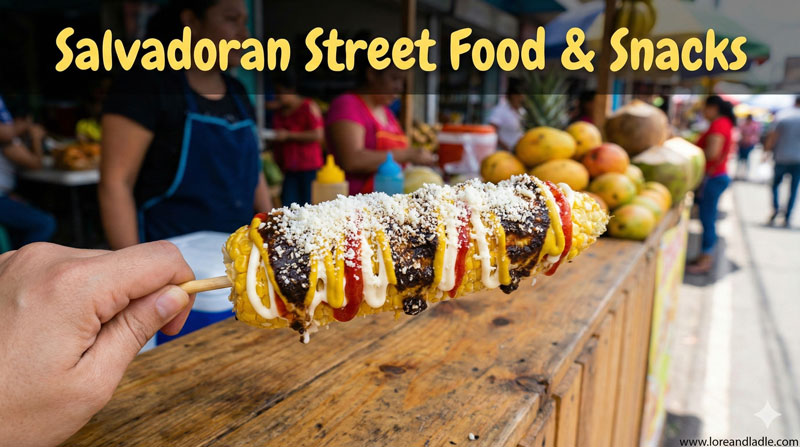
A bright look at street-style Salvadoran pastelitos de carne
Pastelitos de carne are a beloved snack in Salvadoran street culture. They pair a warm, savory filling with a crisp pastry. The result is a small, shareable bite that travels well from vendor cart to picnic table. Today, we explore simple ingredient swaps that lighten the dish without losing its essential character. The goal is to honor flavor, texture, and tradition while making the snack a touch kinder to the body.
What makes pastelitos de carne special
Pastelitos de carne shine through balance. The dough holds a well-seasoned meat filling, and each bite delivers a gentle crunch followed by a savory, aromatic heart. The aroma comes from onions, garlic, and bright herbs, lifted by a touch of pepper and tomato. This dish is a social staple, often enjoyed with friends and family as a quick, satisfying treat. The beauty lies in how a few Pantry Staples become a warm moment of connection. By focusing on the core elements—dough, meat, and seasoning—you preserve the homey charm that makes street food feel welcoming and real.
Simple ingredient swaps to lighten up
- Meat and filling
- Swap part of the ground beef for lean turkey or chicken. Start with a 50/50 mix to keep flavor punch while reducing fat.
- Add finely chopped mushrooms or lentils to the filling. They stretch the meat, add umami, and soften the overall fat content.
- Use extra-lean ground beef (93% lean or higher) and trim visible fat before cooking. This keeps the filling moist without excess oil.
- Vegetables and texture
- Grate or finely dice carrots, zucchini, or bell peppers. They add moisture and sweetness, reducing the need for added fat.
- Stir in a small amount of tomato paste and fresh herbs. These ingredients boost flavor without heaviness.
- Dough and crust
- If your dough uses manteca (lard) or heavy fat, substitute part with olive oil or a light vegetable oil. Start with a 1:1 swap and adjust as needed for texture.
- Consider a lighter dough blend: mix a portion of corn flour with whole-wheat flour for slightly nuttier flavor and extra fiber. Keep hydration steady so the dough remains pliable.
- Use cold dough and chill briefly before shaping. This helps maintain a crisp texture with less oil uptake during cooking.
- Cooking method
- Choose air frying or baking over deep frying when possible. Air frying delivers a crisp shell with far less oil, and baking creates a shallow, even crust.
- If you must fry, use a shallow pan with just enough oil to glaze the bottom. Drain on paper towels and finish with a light spritz of oil to re-crisp.
- Seasoning and salt
- Rely on fresh garlic, onions, cilantro, and a hint of cumin or paprika to maximize flavor without salt. Taste as you go to avoid over-seasoning.
- Use a splash of lime juice or a light vinaigrette in serving to brighten the filling without adding heaviness.
Cooking techniques for a lighter finish
- Air-fryer method: Preheat to about 190°C (375°F). Lightly brush the filled pastries with oil, place them in a single layer, and cook for 10–12 minutes, turning once for even color.
- Oven method: Preheat to 220°C (425°F). Bake on a parchment-lined tray until the pastry is golden and crisp, about 14–18 minutes depending on size.
- Frying with care: If you prefer frying, use a shallow pan with hot oil (about 350°F/175°C). Fry briefly until the crust is crisp, then drain and blot to remove excess oil. A quick, gentle fry preserves tenderness inside.
- Filling consistency: Cook the filling until it is moist but not runny. A drier filling helps the pastry stay crisp and reduces oil absorption.
The cultural glow of a lighter pastelito
These swaps honor the dish’s spirit: a humble, flavorful snack born from everyday cooking. Lightened pastelitos keep the balance between dough and filling that street vendors perfected. The approach welcomes new palates without sacrificing texture or aroma. Sharing lighter pastelitos invites more people to enjoy this tradition around a table, in a plaza, or on a shaded corner after a long day. The result is a snack that respects the past while embracing thoughtful tweaks for today’s kitchens. In essence, it celebrates craft, community, and the joy of a well-seasoned bite.
A warm invitation to try
If you visit a market or home kitchen, start with a small batch of lighter pastelitos de carne. Use lean meat, add a few vegetables, and test a bake or air-fry technique. Then adjust the filling and dough to match your taste. You will notice how the familiar aromas arise, how the crust stays tender yet crisp, and how the flavor remains deeply satisfying. This is the beauty of Salvadoran street-style cooking: Simple Ingredients, clear techniques, and a shared moment that feels both timeless and welcoming.
Final reflections
Pastelitos de carne carry a simple Recipe for joy: dependable dough, a savory heart, and a crisp crust. Lightening the dish preserves its cultural essence while offering a gentler option for modern kitchens. With thoughtful swaps and mindful cooking, the snack stays true to its roots and still invites everyone to savor the warmth of El Salvador’s street food legacy. Enjoy the process, cherish the aroma, and celebrate the dish as a tasty bridge between tradition and today.