
Why sopa de res, hearty Salvadoran beef soup Is Winning Over U.S. Foodies
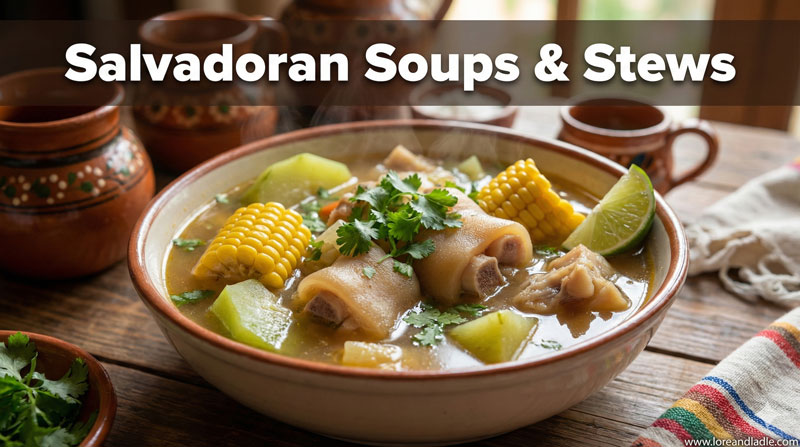
Sopa de res is more than a bowl of soup. It Is a testament to time-honored techniques and a celebration of wholesome ingredients. In El Salvador, this dish lives at family tables, markets, and festive meals. It invites warmth, conversation, and shared appetite. For U.S. food lovers, it opens a window into a kitchen craft built on patience, balance, and respect for ingredients. The result is a comforting, deeply satisfying experience that feels both familiar and wonderfully new.
The Craft Behind the Broth
The heart of sopa de res is the broth. It begins with quality beef and a careful simmer. The goal is a clear, amber liquid that carries the meat’s character without heaviness. As the pot rests, bones and meat release collagen, enriching the soup with a natural body. Aromatics such as onions, garlic, and subtle seasonings lift the aroma. The broth develops slowly, rewarding the cook with a depth that invites you to linger. In short, patience here yields flavor you can taste in each spoonful.
A Colorful Palette: Vegetables and Corn
Next comes the chorus of textures. Tender beef sits alongside vegetables that offer contrast and color. Corn on the cob sweetens the broth, while yucca and potatoes provide starchy comfort. Chayote or similar squash adds a delicate bite, and carrots bring a gentle brightness. At the end, a handful of cilantro or culantro breathes fresh green notes over the surface. The result is a soup that feels nourishing in both taste and texture—soft meat, yielding vegetables, and a lively final lift of herbs.
Shared Tables and Family Traditions
In Salvadoran kitchens, sopa de res often signals togetherness. It is a dish prepared for big gatherings, Sunday meals, and special occasions. Families gather around the pot, exchanging stories as the soup simmers. The broth serves as a unifying element, bringing people to the same table with a shared sense of anticipation. This communal spirit matters as much as the ingredients themselves. The dish maps a rhythm of care, generosity, and daily resilience that many cultures recognize in their own Comfort Foods.
Why It Delights U.S. Foodies
For U.S. food lovers, the appeal is multi-layered. First, the broth offers a clean, savory profile that is deeply comforting but never heavy. Second, the combination of meat, corn, and root vegetables creates a satisfying range of textures in every bite. Third, the aroma—hot herbs mingling with beef essence—draws you in before the first taste. Finally, the dish pairs well with Simple accompaniments like warm tortillas, lime wedges, or a bright salsa, inviting playful customization. All of these elements together make sopa de res a memorable bridge between home-style cooking and a refined dining interest.
Bringing It Home: Savoring and Serving
To honor the dish, serve sopa de res warmly and with intention. Start with the broth to appreciate its clarity and depth. Then offer the meat and vegetables in generous portions, letting guests scoop and share. A light garnish of cilantro completes the plate. When possible, place this dish at the center of the table to emphasize conversation and connection. In doing so, you celebrate not just flavor, but the culture of care that surrounds a pot of sopa de res.
Final Thoughts
Sopa de res stands out for its balance: a clear, fragrant broth; tender beef; vibrant vegetables; and a final touch of fresh herbs. It embodies the culinary heart of Salvadoran cooking—resourceful, comforting, and welcoming. For U.S. foodies, it offers a portrait of a traditional method that still feels exciting and new. In every spoon, the dish tells a story of family, craft, and shared meals. It invites you to slow down, savor, and appreciate the beauty of a well-made soup.