
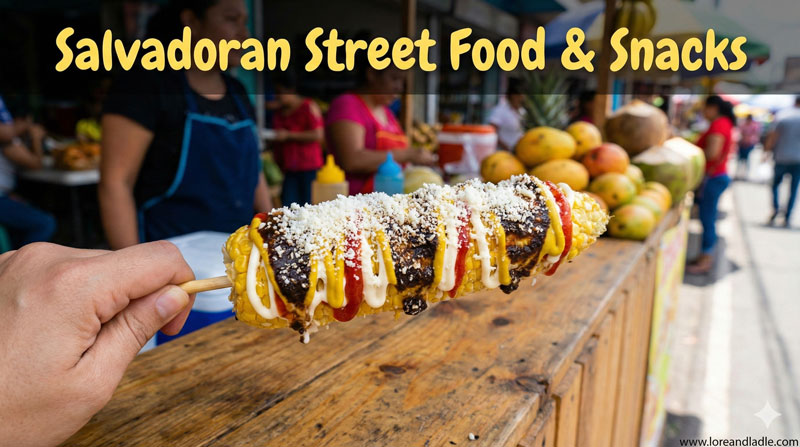
Why pastelitos de carne captivate street-food fans
in the lively world of Salvadoran street food, pastelitos de carne stand out as a handheld treasure. The street-style version brings quick, bright flavor to the moment, with a crisp exterior and a savory center that invites a bite and a pause. These pastries celebrate balance: a dough that carries a gentle corn sweetness, a beef filling seasoned with garlic, onion, peppers, and herbs, and a frying method that seals in juices while giving a satisfying crunch. For U.S. foodies, the dish offers an inviting doorway into a vibrant culinary language rooted in everyday cooking and shared bites. The appeal rests in accessibility, aroma, and the sense that a simple street-side snack can carry a world of culture in one portable package.
The dough and filling: craft and balance
The heart of pastelitos de carne is the marriage of dough and filling. The dough is often a corn-based masa or a flour blend that folds easily, becomes pliable, and holds its shape when fried. The goal is a dough that tastes gently sweet, with a sturdy texture that won’t crumble under pressure. The filling is beefy and aromatic: ground meat cooked with onion, garlic, diced tomatoes, and bell pepper, then brightened with cilantro and a whisper of oregano or cumin. A touch of annatto or paprika adds a warm hue and a subtle smoky note. Each bite delivers a savory chorus of peppery warmth, balanced by the dough’s soft bite. This harmony is a signature of Salvadoran street-food technique—simple ingredients, precise seasoning, and careful sealing to trap aroma and moisture.
Texture and technique: from sizzling oil to crisp bite
Texture does the talking in pastelitos de carne. The exterior must be crisp and delicate, not tough, with edges that hold their shape yet yield to pressure. Vendors achieve this by maintaining a steady oil temperature and by sealing the dough edges with a confident pinch. The steaming moment inside the pastry helps the filling stay juicy while the outside turns a golden brown. The result is a bite that starts with crunch, then reveals a warm, savory center. The technique is portable and practical—a skill honed by countless cooks who shape each pastry by hand, fill it with care, and fry it to order. The sensory payoff—sizzle, aroma, and a fragrant finish—draws curious eaters from street corners to dining rooms, bridging casual snacking with a refined appreciation for craft.
Cultural value: street vendors, daily life, and shared moments
Pastelitos de carne are more than food; they are daily rituals. Street vendors set up early, turning a simple cart or stall into a small hub of neighborhood life. The act of preparing dozens of pastries in a row—layer by layer, seal by seal—speaks to technique passed down through generations. Sharing a hot pastelito becomes a moment of connection: a quick snack during a bustling afternoon, a satisfying bite after work, or a friendly exchange with a vendor who knows the neighborhood’s tastes. The dish embodies the spirit of community cuisine—accessible, affordable, and crafted with care. For many, enjoying a pastelito is not just about flavor; it’s about participating in a living tradition that values time-honored methods and the joy of a well-made, on-the-go meal.
Flavor notes and serving ideas
Expect a savory profile with a comforting warmth. Beef brings depth, onion and garlic deliver aroma, and peppers introduce brightness. Cilantro adds a fresh lift, while a touch of cumin or oregano provides subtle earthiness. The corn-forward dough offers a slight sweetness that complements the savory filling. Serve pastelitos warm to preserve the crisp exterior and juicy center. They pair nicely with a bright salsa, a light cabbage slaw, or a simple squeeze of lime. For a complete street-food experience, offer a mild hot sauce or a tangy dipping sauce on the side. In any case, the focus remains on the balance between fragrant filling and a crisp, satisfying crust.
Salvadoran street-food heritage and evolving menus
Pastelitos de carne sit at the crossroads of everyday Salvadoran dining and the broader appreciation of street flavors. They reflect a culinary culture that values practical artistry, where a quick pastry can carry regional ingredients, personal technique, and shared memories. As bellies demand quick, flavorful bites, cooks continue to refine the filling, dough, and frying approach while keeping the essence intact: a simple, well-made pastry that conveys care and character. Modern vendors and Home Cooks alike explore subtle twists—varying spices, different dough textures, or complementary sauces—without losing the core identity of the dish. The result is a versatile, enduring favorite that remains welcoming to new audiences while honoring its roots in Salvadoran cuisine.