
The Ultimate Guide to carne asada Salvadoran-style with rice and beans for Beginners
Introduction
Imagine the scent of grilled beef carrying citrus notes, garlic warmth, and a gentle kiss of smoke. This is the heart of carne asada Salvadoran-style with rice and beans for Beginners. The dish shines because it gathers simple ingredients into a celebration of flavor, aroma, and family warmth. It is a doorway into Salvadoran cooking, inviting newcomers to savor a traditional plate that is both comforting and bright. You will notice how the beef, the rice, and the beans each tell a part of the same story: shared meals, honest preparation, and a sense of belonging around the table.
Cultural value and culinary significance
Salvadoran cuisine thrives on balance, color, and technique. This dish highlights that balance by pairing lean beef with the starch of rice and the earthiness of beans. The grilling method adds a smoky finish that marks a favorite way to cook meat outdoors or on a sturdy grill at Home. The flavors come alive with citrus brightness, garlic, and simple spices, yet they harmonize in a way that feels timeless and welcoming. For many families, making this meal is a weekly ritual that builds conversation, patience, and skill. The plate itself reflects a culture that honors practicality—every ingredient has a purpose, every bite offers comfort, and every shared meal reinforces care for loved ones. In this way, carne asada Salvadoran-style with rice and beans becomes more than food; it becomes a cheerful, everyday ceremony of togetherness and pride in good, well-made food.
The trio on a plate: carne asada, rice, and beans
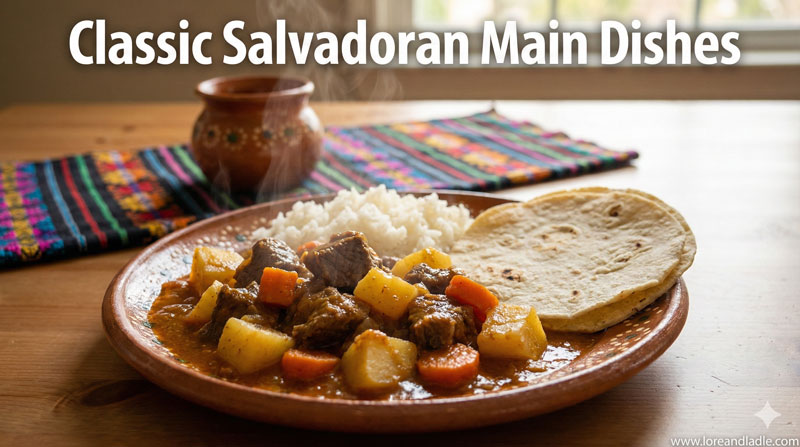
Carne asada anchors the dish with savory, grilled beef. The texture is tender with a light bite from the grill, and the flavor sings with citrus, garlic, and a touch of pepper. Rice offers a soft, airy counterpoint that absorbs juices from the meat. Beans provide a creamy, hearty foundation, balancing the brightness of the meat and the lightness of the rice. When served together, these three elements create a plate that feels complete and satisfying. The simplicity of the ingredients makes room for technique and timing, which is where beginner cooks can discover real culinary value. The result is a plate that looks inviting, smells irresistible, and tastes memorable.
Marinade and fire: flavor from the grill
A Salvadoran-style carne asada often begins with a bright, citrus-forward marinade. Common components include citrus juice (orange or lime), garlic, salt, pepper, and a blend of warm spices. Optional touches like a hint of cumin or paprika can lift the aroma without masking the beef’s natural character. Next, the meat rests to absorb those flavors, and then it grills over moderate heat until the outside is lightly charred and the inside remains juicy. This grilling ritual matters: the smoke kiss, the even sear, and the release of juices all contribute to the dish’s signature appeal. For beginners, focus on even thickness of the meat, patience with the flip, and steady heat. The payoff is a beef slice that carries the citrus perfume, a gentle crust, and a satisfying bite.
Rice and beans: the heart of the plate
Rice in this dish is about lightness and absorption. Cooked properly, it remains fluffy and separates easily, ready to collect a little meat juice or sauce. Beans bring earthiness and depth; they can be simple boiled beans with aromatics or a lightly mashed, creamy preparation. The key is balance: do not drown the beans in heavy sauce, but provide a gentle, flavorful base that supports the beef. In Salvadoran meals, the rice and beans play off each other as a reliable, comforting duo. They invite the palate to slow down and enjoy texture, scent, and color in harmony with the meat.
Plating, serving ideas, and the everyday joy
Presentation matters because it invites appetites and sets a mood of celebration. Slice the carne asada against the grain for tenderness, lay a bed of fluffy rice, and spoon beans nearby. A wedge of lime on the side invites a bright squeeze before tasting. Fresh cilantro or a light salsa can add a color pop and a crisp, fresh note. If you like, serve with a simple salad or sliced avocado to introduce creamy richness. The beauty of this dish lies in its versatility: you can keep it simple for a quick weeknight dinner or elevate it for a weekend gathering. Either way, the flavors invite conversation, sharing, and the delight of a well-made meal enjoyed together.
Step-by-step guide for beginners
- Step 1: Gather ingredients. This includes good-quality beef suitable for grilling, long-grain rice, dry beans or canned beans, garlic, citrus juice, salt, pepper, and any optional spices you prefer.
- Step 2: Prepare the marinade. Mix citrus juice with minced garlic, salt, pepper, and a light touch of cumin or paprika if you like. Stir well to combine.
- Step 3: Marinate the beef. Place the meat in a shallow dish or a resealable bag, and cover with the marinade. Let it rest for at least 30 minutes. If you have more time, marinate up to a few hours for deeper flavor.
- Step 4: Cook the rice. Rinse the rice if you wish, then cook in broth or water with a pinch of salt. Fluff the grains when done.
- Step 5: Prepare the beans. If you use dried beans, soak and simmer until tender with a pinch of salt and aromatics. If you use canned beans, heat with a little onion and garlic for extra flavor.
- Step 6: Grill the carne asada. Preheat your grill or skillet. Sear the beef on each side until it reaches your preferred doneness and develops a gentle crust.
- Step 7: Plate and savor. Place the rice on the plate, add the beans, and lay the carne on top or alongside. Finish with a squeeze of lime and a sprinkle of fresh herbs if you like.
- Step 8: Enjoy the moment. Take a moment to breathe in the aroma, notice the colors, and then taste. The goal is a balanced bite that reflects care and tradition.
Practical tips for beginners
- Start with a cut that cooks evenly and remains tender, such as a thin steak or a small roast slice.
- Keep the marinade simple; you can always add a personal touch later as you gain confidence.
- Use moderate heat on the grill to avoid over-char and keep the meat juicy.
- Fluff the rice right before serving to maintain its light texture.
- Taste the beans as they cook and adjust salt gradually to keep flavors bright.
Respecting the tradition: embracing technique and taste
This dish invites learners to respect the craft behind good carne asada. By paying attention to timing, temperature, and balance, beginners can replicate a sense of place and memory in every bite. The method rewards patience and curiosity. As you practice, you will notice how the citrus, garlic, and smoke work together to craft an aroma that feels welcoming and familiar. In this way, the dish becomes a personal language of cooking—one where you translate family recipes into your own kitchen experience while honoring Salvadoran culinary roots.
A note on accessibility and warmth
The beauty of carne asada Salvadoran-style with rice and beans for Beginners lies in its accessibility. The ingredients are straightforward, and the technique is approachable. This makes the dish a friendly entry point for anyone curious about Salvadoran flavors. The result is a meal that celebrates taste, aroma, and togetherness, turning a simple dinner into a moment of cultural appreciation and shared joy.
Conclusion
The Ultimate Guide to carne asada Salvadoran-style with rice and beans for Beginners invites you to explore a dish that is as comforting as it is vibrant. Through a bright marinade, a precise grill, and the timeless pairing of rice and beans, you experience a culinary tradition that welcomes everyone to the table. This plate speaks of family, skill, and joy in everyday cooking. With curiosity and care, you can bring this Salvadoran favorite into your own kitchen and savor the culture, flavor, and warmth that define it.