
Introduction
Sambal Shrimp 101 invites you into a bright kitchen where chili heat and sea notes mingle. This dish is a celebration of Indonesian flavor, craft, and daily life. It speaks to hospitality, shared meals, and the beauty of simple ingredients coming together. In this post, explore its cultural value and culinary significance with respect and curiosity. You will notice how a single plate can carry memory, skill, and regional pride.
The Heart of the Dish: Sambal and Shrimp
Sambal is the pulse of many Indonesian kitchens. It blends chili with aromatics to create depth, brightness, and heat. Shrimp adds a fresh, briny sweetness that balances the spice. Together, they form a dish that is at once quick to bring to the table and rich in meaning. The pairing highlights coastal flavors and Home Cooking all at once. This combination shows how land and sea meet in everyday meals across the archipelago.
Core Ingredients and Their Cultural Roles
Key elements include fresh shrimp, a vibrant chili paste, garlic, shallots, and a touch of lime or tamarind. Palm sugar or gula melaka often joins to mellow the heat with subtle sweetness. Each ingredient plays a local role: shrimp reflects coastal abundance; chili embodies bold culinary spirit; aromatics provide aroma and balance. Put simply, the dish demonstrates how Indonesian cooks balance heat, acidity, sweetness, and savoriness to create harmony. The same sambal base can be adjusted with regional ingredients, yet always honors a communal approach to flavor.
Techniques That Unlock Flavor
Technique matters as much as ingredients. Use a mortar and pestle to crush chilies, shallots, and garlic gently. This releases essential oils and creates a lively texture. Sauté the paste in a light oil until the aromatics bloom. Add the shrimp and cook just until they turn pink and plump. Finish with a squeeze of lime to brighten the dish. The result is a dish that feels immediate, clean, and deeply flavorful. Simple steps, repeated in homes across Indonesia, turn quick meals into cultural expressions.
Regional Voices in Sambal Shrimp
Across Indonesia, cooks adapt sambal to local tastes. Some kitchens favor a sweeter profile with palm sugar. Others lean toward a tangier finish with lime or tamarind. Shrimp paste or terasi may deepen the umami for a bolder bite. Different chilies—slightly milder varieties or fiery small peppers—alter the heat and aroma. This flexibility shows how regional know-how and seasonality shape the same dish into many beloved forms. The common thread is hospitality: a shared sauce that invites conversation and togetherness.
Serving Traditions and Pairings
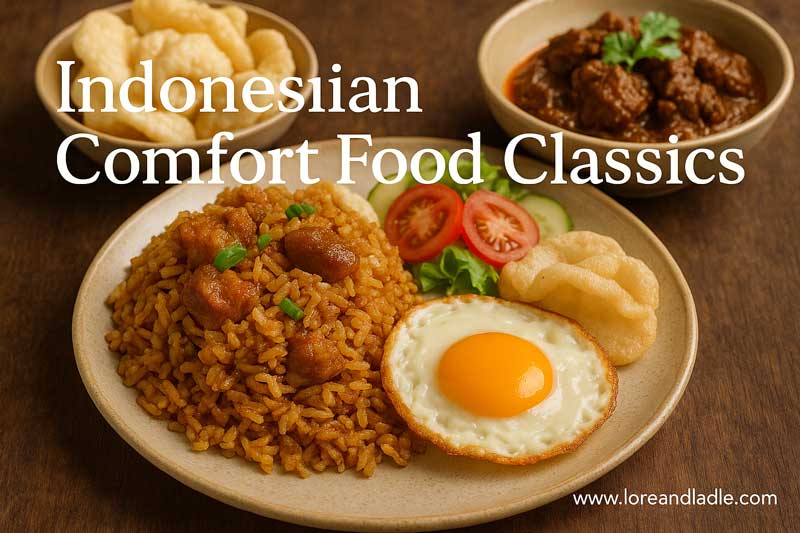
Sambal Shrimp is often served with steamed rice, fresh vegetables, and a squeeze of citrus. It pairs well with a light salad, grilled fish, or other seafood, making it a versatile centerpiece or lively side. In many households, the dish appears during meals that celebrate gathering and sharing. A simple plate can spark a longer conversation about family, friends, and seasonal ingredients. The serving style emphasizes abundance and care, qualities that Indonesian cuisine holds dear.
Cultural Value and Culinary Significance
The dish embodies the spirit of Indonesian cooking: resourceful, vibrant, and community-centered. It demonstrates how cooks honor local produce while inviting bright, universal flavors into everyday meals. Sambal Shrimp signals hospitality—welcoming guests with a warm, spicy plate. It also carries a culinary lineage, connecting households through a shared technique and a common pantry staple: the sambal. In this sense, the dish is not just food; it is a bridge between generations and a testimony to everyday craft. The result is a respectful, uplifting flavor that invites everyone to savor the moment.
Quick Guide: Unlocking Big Indonesian Flavor at Home
- Start with fresh shrimp and a bright chili mix; the balance sets the mood for the dish.
- Pound aromatics lightly to preserve brightness and texture.
- Bloom the paste in a little oil to release aroma and depth.
- Season thoughtfully with salt, sugar, and a touch of acid to harmonize heat.
- Finish with lime juice or zest for a clean, lively finish.
- Serve with plain rice and crisp vegetables to highlight the sauce.
A Final Reflection
Sambal Shrimp 101 invites you to see how Indonesian flavor grows from simple, well-balanced fundamentals. The dish shows respect for ingredients, skill in technique, and joy in shared meals. By exploring its cultural value and culinary significance, readers can appreciate why this plate remains a beloved staple. It is a small dish with a generous heart, ready to welcome you into the story of Indonesian cooking.