
Introduction: A Bold Celebration of Flavor
Sambal Shrimp and Indonesian Satay & Grilled Skewers Favorites for Indonesian Food Fans in the U.S. is a bright invitation to taste and culture. This dish pairs shrimp bathed in a lively sambal with skewers of meat kissed by a peanut-fragrant glaze. The result is a harmony of heat, smoke, and sweetness that speaks to Indonesian culinary values: balance, seasonality, and a respect for shared meals. The plate invites you to pause, inhale the aroma, and savor the textures that come from careful technique and thoughtful ingredients. It is more than a meal; it is a doorway into a kitchen where fire, chili, peanuts, and fresh herbs come together in celebration.
The Core Elements: Sambal and Satay in One Plate
At the heart of this dish are two beloved concepts: a vivid sambal and the art of satay grilling. The sambal provides brightness, heat, and depth. It can range from a bright, chili-forward paste to a richer, slightly sweet variant depending on the cook. The shrimp in sambal absorbs the herbal heat, turning succulent and glossy as it cooks. The second pillar is satay and grilled skewers. Meat—often chicken or beef—slides onto skewers, then meets a caramelized, roasted surface as it grills. A peanut-based sauce or glaze ties the skewers to the sambal shrimp, creating a cohesive tasting experience. Together, these elements reflect a culinary philosophy that values layering flavors and presenting a spectrum of textures in one meal.
Sambal: The Pulse of Indonesian Heat and Flavor
Sambal is more than a hot sauce; it is a cultural language. The paste balances chili heat with aromatics like garlic, shallot, lime, and sometimes shrimp paste. It awakens the dish without overwhelming it, giving the shrimp a lively personality. The sambal used here can be adapted to showcase fruitiness, tang, and a touch of sweetness from palm sugar or is sugar. When prepared well, the sambal carries bright citrus notes, earthy undertones, and a clean finish. This makes the shrimp sing and creates a contrast with the nuttiness of the skewers. In Indonesian cooking, sambal acts as a unifying thread that can elevate vegetables, seafood, and meats alike, tying courses together with consistent brightness.
Satay and Grilled Skewers: Craft, Char, and Community
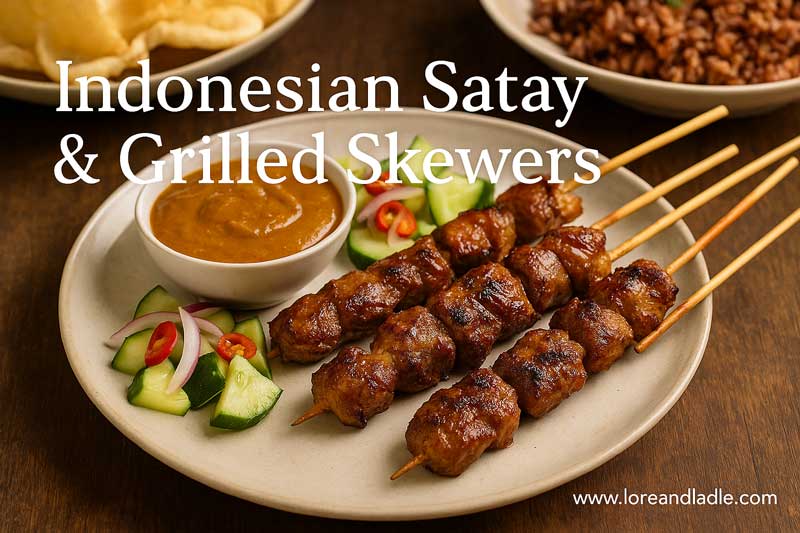
Skewers, known as satay in many regions, are both simple and sophisticated. The technique centers on even marination, careful threading, and steady flame contact. A short rest after marination helps the flavors meld, while a respectful sear seals in juices. Grilling over charcoal adds a smoky nuance that electric grills or broilers can imitate but not fully replace. The result is a tender bite, guarded by a thin caramelized crust. The accompanying peanut glaze or sauce provides a nutty sweetness that rounds out the heat from the sambal. These skewers are common in gatherings, markets, and family meals, where friends and relatives share bites and stories across the table.
Technique and Craft: From Market Fresh to Table
The beauty of this dish lies in technique as much as in ingredients. Fresh shrimp should be cleaned and patted dry, so the sambal can cling and the shrimp can sear properly. Marinades for the skewers often include a balance of soy-like sweetness (kecap manis), garlic, and a touch of lime. Skewers should be arranged with even spacing to ensure uniform cooking. Grilling demands attention to heat and timing: a quick sear to form color, followed by attentive turning to avoid dry edges. The peanut sauce deserves respect as well—roasted peanuts ground to a coarse paste, with a hint of garlic, palm sugar, and a final splash of lime to brighten the finish. Taken together, the steps honor a culinary craft that values precision, patience, and a deep Love for shared meals.
Aesthetic and Sensory Harmony: Color, Aroma, Texture
This dish celebrates color and aroma as much as taste. The sambal glows with red and orange hues, while the shrimp gleams with a pink-to-amber sheen. The skewers present a rich, roasted brown with a glossy peanut glaze. Aromas rise in layers: the sharp heat of chili, the toasty scent of peanuts, the caramelized notes from grilling, and the fresh lift of lime and herbs. The textures alternate between succulent shrimp and the slightly chewy bite of grilled meat, punctuated by the smooth, creamy peanut sauce. Each mouthful carries a balance of bold and bright flavors that invite another bite and another conversation.
Serving Traditions: Presentation and Pairings
Traditionally, this duo of dishes is served with simple accompaniments that let the flavors shine. Steamed rice or fragrant coconut rice pairs well, providing a neutral canvas for the sambal heat. Fresh vegetables or a crisp cucumber salad offer a cooling counterpoint. A wedge of lime or a drizzle of lime juice can brighten the plate just before serving. For a more celebratory setting, small bowls of extra sambal and extra peanut sauce invite guests to customize their heat and sauce levels. The presentation emphasizes sharing, with skewers neatly lined up beside the shrimp, encouraging diners to sample from both elements in alternating bites.
The American Experience: Indonesian Flavor in the United States
In the United States, Indonesian fans and curious diners discover this dish in homes, restaurants, and festival booths that celebrate Indonesian flavors. The dish travels well, inviting cooks to adapt spice levels to personal taste while preserving the essence of the original technique. This setting highlights a philosophy of hospitality: food is a bridge that invites friends and family to gather, taste, and learn together. The recipe respects tradition while allowing room for regional ingredients and modern cooking tools, ensuring that the dish remains accessible without losing its character. In this way, the dish becomes a gentle ambassador for Indonesian cuisine, inviting appreciation of a cuisine that values balance, community, and joyful cooking.
Why This Dish Feels Timeless and Relevant
The timeless appeal lies in its balance: the bright heat of sambal, the fat-slick sheen of the shrimp, the nutty sweetness of the peanut glaze, and the smoky aroma from the grill. The dish communicates a sense of place—where markets hum with fresh chilies, where families gather around a grill, and where cooks take pride in layering flavors with restraint. It is a dish that teaches technique—how to manage heat, how to marinate for tenderness, how to grill for color—and it invites Home Cooks to replicate and then personalize. The result is a versatile favorite that remains relevant as cooks seek depth, clarity, and warmth in their meals.
Conclusion: A Living Love for Indonesian Flavor
Sambal Shrimp and Indonesian Satay & Grilled Skewers Favorites for Indonesian Food Fans in the U.S. stands as a celebration of culture and craft. It honors fundamental Indonesian cooking values—clarity of spice, balance of sweet and sour, and the joy of sharing food around a table. The dish invites respect for ingredients, attention to technique, and delight in communal eating. For fans in the United States and beyond, it remains a tasty reminder of the beauty found in simple, well-executed recipes. Embrace the heat, savor the grill, and enjoy the harmony of flavors that makes Indonesian food so beloved.