
Sambal Tempeh Bowls and Other Beginner-friendly Indonesian Dishes Loved in America
Sambal Tempeh Bowls pair bold flavors with approachable technique. They reveal how Indonesian cooking balances heat, savoriness, and freshness in a single plate. In American kitchens, these bowls welcome curious eaters with bright colors, familiar textures, and a comforting sense of home cooking. The dish is more than an entrée; it is a invitation to see how everyday meals carry culture, craft, and care.
Tempeh: A Fermented Hero in Indonesian Cooking
Tempeh is the star within these bowls. It is made by fermenting soybeans until they form a firm cake. This texture crisps beautifully when fried, grounding each bite with a nutty depth. Tempeh’s presence in Indonesian cooking celebrates resourcefulness and balance, offering protein that feels substantial yet light on the palate. Its mild flavor absorbs spices and sauces, making it a reliable canvas for a wide range of flavors.
Sambal: The Heartbeat of Flavor
Sambal stands at the center of Indonesian flavor. It blends chilies with garlic, shallots, and a touch of acidity or sweetness, depending on the recipe. When heated, the aromatics bloom, releasing a vivid aroma and a clean heat. This heat is not overwhelming; it invites you to taste, adjust, and smile at the bright finish. The sambal in these bowls brings brightness to vegetables, depth to tempeh, and a lively counterpoint to the calm grain base. Its versatility shows how a single sauce can unify a bowl with rhythm and character.
Building a Bowl: Textures, Balance, and Color
A well-made sambal tempeh bowl balances texture, temperature, and color. Crispy-edged tempeh contrasts with tender rice or grains. Fresh vegetables add crunch and moisture, while herbs and sliced scallions offer a final lift of aroma. The sauce coats each component in a glossy sheen, tying the dish together. The result is a harmonious plate that feels comforting yet exciting. This balance mirrors how Indonesian home cooking loves to blend sweet, sour, salty, and spicy notes into one memorable bite.
Other Beginner-friendly Indonesian Dishes Loved in America
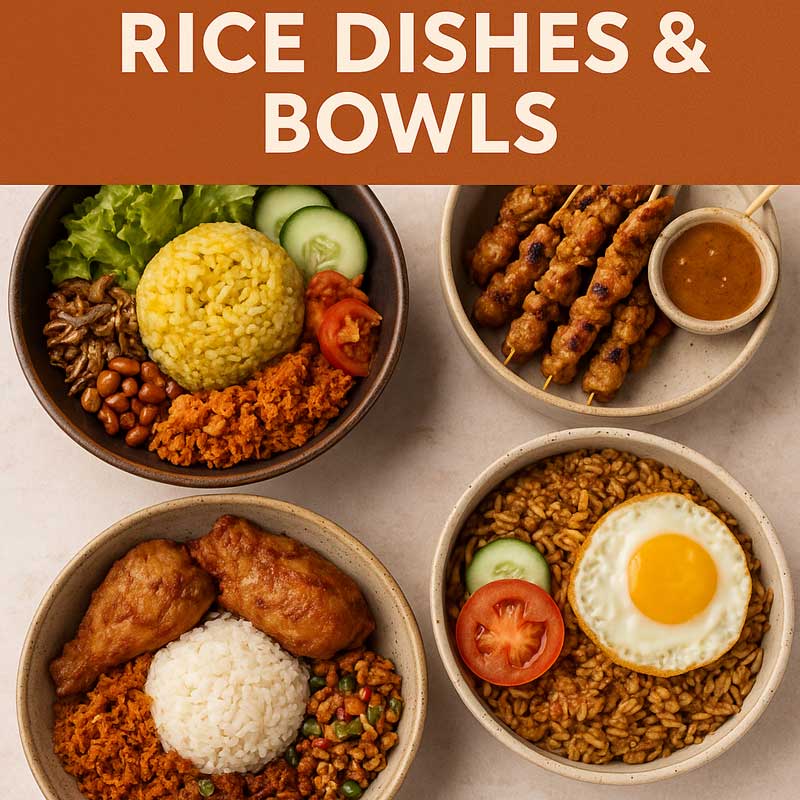
- Nasi Goreng (fried rice): A familiar concept with a distinctly Indonesian twist. Sweet soy sauce, garlic, and aromatics create a savory base, often finished with a crisp edge from a quick fry of the rice. It is friendly to improvisation, welcoming vegetables, eggs, or leftover proteins.
- Mie Goreng (fried noodles): A noodle dish that moves quickly from pan to plate. The savory sauce, a touch of sweetness, and a kiss of sesame oil create a comforting, satisfying meal.
- Gado-Gado (vegetable salad with peanut sauce): A colorful medley of vegetables with a creamy peanut drizzle. The sauce is rich, nutty, and bright from lime or tamarind. It teaches balance and generosity, as sauces unify a plate of fresh produce.
- Sate (skewered meats with peanut sauce): Tender grilled bites served with a silky peanut sauce. The ritual of skewering and grilling adds a social, shared aspect to meals that Americans often enjoy during casual gatherings.
- Bakso (meatball soup): A comforting broth with soft meatballs and noodles. Simple, warm, and inviting, bakso showcases how Indonesian cooking makes room for gentle, soothing bowls that feel like a hug.
Each dish offers a approachable path into Indonesian flavors. They demonstrate how bright chili, savory sauces, and fresh ingredients can come together for meals that are easy to prepare at Home while feeling true to a culinary tradition.
The Cultural Value of Indonesian Home Cooking
Indonesian home cooking centers on hospitality, seasonal produce, and shared meals. Dishes like Sambal Tempeh Bowls highlight how common ingredients can create cherished experiences. The cooking method emphasizes patience, careful heat control, and respectful handling of ingredients. Colors, textures, and scents come together to tell a story of daily life, community, and care in the kitchen.
In America, these dishes are welcomed for their clarity of flavor and their practical approach to cooking. They encourage home cooks to try new ingredients without complexity. At the same time, they honor a style of cooking that values balance, freshness, and soul. This harmony makes Indonesian flavors accessible and inviting, while still offering depth for curious palates.
How to Start Your Journey at Home
- Begin with the basics: firm tempeh, a bright sambal, rice or a gentle grain, and a handful of fresh vegetables.
- Keep the sambal simple at first. A quick blend of chili, garlic, shallot, and a splash of lime gives instant lift.
- Use a hot pan to crisp tempeh gently. A light touch of oil helps develop a golden crust without overdoing the flavors.
- Plate with color: greens, orange carrots, red chilies, and a sprinkle of herbs make the dish inviting.
- Pair the bowl with a simple peanut sauce or a light soy-based glaze to echo the Flavors in the bowls you love.
Closing: A Warm Welcome to Indonesian Flavors
Sambal Tempeh Bowls, along with other beginner-friendly Indonesian dishes, offer more than taste. They present a culinary approach that centers balance, technique, and generosity. Each bite is a small celebration of color, aroma, and texture. As you explore these dishes, you join a vibrant conversation about food that is bright, comforting, and endlessly inviting. Welcome to a flavorful journey that honors the beauty of Indonesian cooking in everyday meals.