
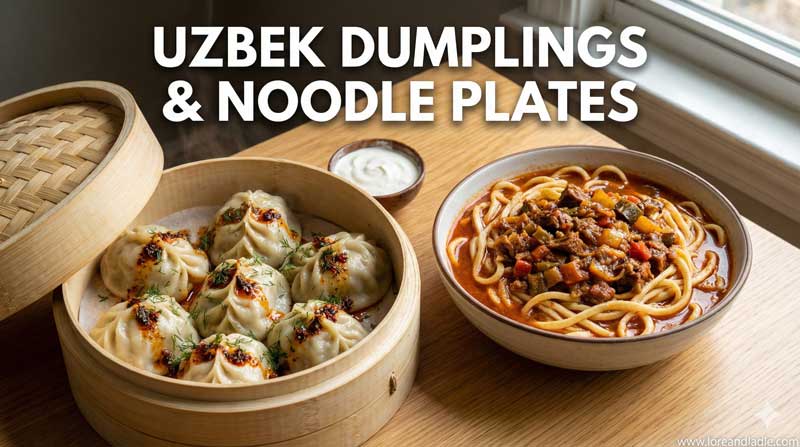
Discover Samsa – Uzbekistani Dumplings & Noodle Plates Flavor You’ll Love
Samsa is more than a dish. It is a window into Uzbek flavors, craft, and daily life. In Uzbekistan, these golden pastries carry stories of kitchens, markets, and family gatherings. They invite friends and family to share a moment of warmth. The mention of noodles alongside samsa signals a thoughtful balance on the table. It is a pairing that celebrates texture, aroma, and patience.
A Brief Portrait of Samsa
Samsa is a pastry pocket, often triangular or square, filled with meat and onions. The dough is simple, sturdy, and tender, created to cradle a savory filling. The meat can be lamb or beef, seasoned with cumin, pepper, and a hint of herbs. In many cities, samsa reflects local pride. Each region adds a subtle touch, whether in the dough thickness, the spice note, or the way it is baked. The result is a pastry that stays crisp on the edge and juicy inside. This contrasts beautifully with fresh noodle dishes that are soft and long. The two textures together highlight a common culinary rhythm: bite, chew, savor.
The Craft of Dough and Fillings
The heart of samsa lies in its balance. The dough must be sturdy enough to hold the filling, yet light enough to melt gently in the mouth. Water, flour, and a touch of oil or fat come together in a simple knead. Resting the dough allows the gluten to relax, yielding a silkier bite. For the filling, onions are prized for their sweetness and aroma. Meat is ground or finely chopped, seasoned with cumin, black pepper, and a whisper of salt. Some cooks add herbs or slender pepper for gentle warmth. The goal is a harmonious union where the pastry and filling complement each other, not overpower one another.
The Oven, the Aroma, and the Moment of Service
A traditional samsa sings with the heat of a tandyr or a hot oven. The dough crisps at the edges as juices stay close to the center. The aroma—the toasty crust, the savory filling, the hint of spice—draws people to the table before the first bite. Serving samsa hot preserves its character. It becomes a moment of sensory celebration: the look of the crust, the steam, the fragrance of cumin in the air. In many homes, this aroma is a signal that guests are welcome, conversations will flow, and the meal will be shared with care.
Noodle Plates: A Harmonious Companion
Across Uzbek kitchens, noodle dishes offer a gentle counterpoint to samsa. A popular pairing is a fragrant plate of noodles, often with vegetables or a light broth. The noodles bring softness and sweetness, while samsa provides crunch and richness. The combination feels balanced: a warm pastry with a savory bite alongside smooth, comforting noodles. This pairing shows the region’s appreciation for contrasts that still feel harmonious. It also reflects how a table can hold both complexity and ease in one meal.
Cultural Value: Hospitality, Family, and Seasonal Rhythm
Samsa sits at the center of hospitality. In homes, making samsa becomes a shared activity. Family members pass dough, mix fillings, and shape pastries with care. The process teaches patience, teamwork, and pride in craft. Sharing samsa with guests is a gesture of welcome and warmth. Times of year bring different variations, but the spirit remains the same: a table open to others, food prepared with attention, and a moment to connect over flavors. The dish also nods to seasonal rhythms. Fresh onions, herbs, and meat reflect what is available, guiding cooks toward bright and comforting flavors year after year. In this way, samsa is more than sustenance; it is a homemade ritual that honors companionship and everyday joy.
Savoring and Serving: Tea, Pace, and Presence
The enjoyment of samsa often travels with tea. A cup of hot chai or green tea invites slow tasting and conversation. Because samsa is best enjoyed warm, meals unfold at a gentle pace. The table becomes a place for stories, laughter, and shared appreciation of careful technique. This easy rhythm—eat, sip tea, talk, repeat—frames a culture that cherishes presence and mindful eating. In this light, samsa and its noodle companions become a small, inviting ceremony of everyday life.
Practical Notes: Finding and Appreciating Samsa
If you encounter samsa, look for a pastry with a crisp outer crust and a savory, fragrant filling. Observe the texture: a balance of crisp edges and a soft center signals skilled preparation. When you pair it with a simple noodle plate, notice how the meals complement each other—warmth with softness, spice with sweetness, crunch with chew. Whether enjoyed at a home table or a local market, samsa offers a sincere snapshot of Uzbek culinary sensibility: honest ingredients, thoughtful technique, and a generous spirit.
A Small Celebration of Uzbek Food Culture
Discover Samsa is an invitation to explore how a single dish can embody care, craft, and community. The dumpling pastry and its noodle companion tell a quiet tale of place, family, and shared meals. They remind us that food is a living tradition—renewed through hands that knead, mouths that taste, and hearts that welcome. In this spirit, samsa becomes more than a dish. It becomes a respectful celebration of Uzbek flavors and the beauty of everyday cooking.