
Introduction
Sate Ayam and Indonesian Noodle Favorites Favorites for Indonesian Food Fans in the U.S. offer a vibrant glimpse into the heart of Indonesian cooking. This duo showcases how fire, spice, and careful technique can turn simple ingredients into memorable experiences. The dishes celebrate craftsmanship, balance, and hospitality. They invite cooks and eaters to slow down, savor aromas, and appreciate the social joy of sharing a meal.
Sate Ayam: Grilled Grace on a Skewer
Sate Ayam is more than a tasty snack. It is a celebration of process and flavor. The chicken soaks in spice, then meets heat on a charcoal grill. The result is a tender bite, infused with a warm, fragrant aroma. Marinades usually carry a blend of garlic, shallots, turmeric, coriander, and a hint of cumin. Lemongrass and lime leaves brighten the mix, while coconut milk lends subtle richness. This balance of spice and sweetness is a signature of Indonesian cooking, and it shows in every skewered piece.
The peanut sauce that accompanies Sate Ayam deserves careful praise. Roasted peanuts create a nutty, creamy layer that carries hints of palm sugar, tamarind or lime, and red chili. Garlic and shallot join the party, giving the sauce depth without overpowering the chicken. The sauce binds the dish with a gentle heat and a savory-sweet finish. In many households, this peanut sauce becomes a signature, an unsung hero that elevates the entire plate.
Sate Ayam is often served with comforting accompaniments. Steamed rice or lontong, sliced cucumbers, and pickled onions provide fresh counterpoints to the rich sauce. A squeeze of lime brightens the flavors just as the grill’s smoke leaves its mark on the chicken. The presentation invites conversation and shared bites, underscoring how food can be a social ceremony as much as a meal.
Indonesian Noodle Favorites: A Tapestry of Textures and Tastes
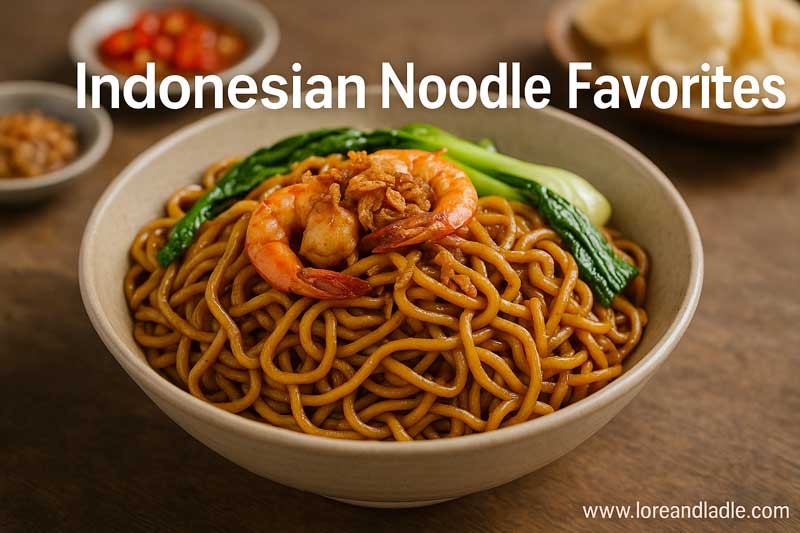
Indonesian noodle dishes are diverse and deeply satisfying. The flavors hinge on high-heat stir-frying, bold sauces, and a smart mix of vegetables and proteins. Mie goreng, perhaps the best-known dish, features noodles tossed with garlic, shallots, soy sauce, and a touch of sweet kecap manis. The result is a savory, slightly caramelized dish with a pleasing smoky edge from the wok.
Another beloved option is mie ayam, where noodles meet tender chicken in a savory, peppery sauce. This dish blends soft noodles with succulent bites of chicken and vegetables, offering a comforting balance between texture and taste. Across Indonesia, cooks tailor noodle dishes with regional twists. A common thread remains: hot wok flames, fresh aromatics, and a lively sauce that coats every strand.
Kecap manis—the sweet soy sauce—plays a central role in many noodle creations. Its syrupy richness adds depth and a gentle sweetness, harmonizing with chili, garlic, and onion. Fresh herbs and crisp vegetables brighten the plate, ensuring the dish feels vibrant rather than heavy. These noodles invite versatility, making room for seafood, tofu, beef, or more vegetables depending on what’s on hand.
The Harmony of Flavors and Textures
Sate Ayam and Indonesian noodle favorites share a culinary philosophy. They honor the balance of sweet, salty, sour, and spicy notes. They celebrate texture, from the creamy peanut sauce to the long, slightly chewy noodles and the crisp bite of fresh vegetables. They rely on fresh ingredients and precise technique. Across dishes, cooks aim for layers of flavor that reveal themselves with every bite.
In presentation, color and composition matter. A plate might feature pale rice or lontong, dark-sauced noodles, bright cucumber slices, and a glossy peanut sauce. The visual contrast welcomes the diner and sets the stage for tasting. This attention to detail reflects a broader Indonesian culinary value: meals are a time for care, share, and connection.
Techniques and Ingredient Palette
Mastery in these dishes comes from a well-chosen spice cabinet and a respectful use of heat. Key spices include coriander seeds, cumin, turmeric, garlic, and shallots. Fresh lemongrass, galangal, and lime leaves add brightness and complexity. Peanut flavor shines through in the sauce, while coconut milk offers smooth resonance. Sweetness often comes from palm sugar or kecap manis, balancing the peppery and sour tones.
For noodles, the technique of stir-frying at high heat yields “wok hei”—a crisp, caramelized edge that conveys depth of flavor. The noodles must stay firm enough to hold sauce and vegetables, yet tender enough to mingle with chicken or shrimp. Plant-based options shine with mushrooms, tofu, or eggs, while seafood adds a bright, seaside note.
Where possible, cooks select ingredients that are easy to source yet true to the dish. Fresh garlic and shallots, bright limes, crisp cucumber, and good peanuts make a noticeable difference. When those items are available, the dishes feel authentic and distinctly Indonesian in every bite.
Regional Flair and Shared Traditions
Indonesia’s regional diversity shines through its street-food kitchen. In Java, satay may arrive with a subtly peppery kick and a thick peanut sauce. In Bali, the grill’s scent mingles with coconut and citrus. Across Sumatra and Sulawesi, you’ll find variations in spice blends and sauces, each reflecting local ingredients and preferences. Noodle dishes likewise showcase local ingredients—different vegetables, meats, and sauces that paint a world of possibilities on a single plate. Yet the common thread remains clear: bold flavor, balanced seasoning, and a love of cooking that invites sharing.
Cultural Value in Everyday Life
Sate Ayam and Indonesian noodle favorites hold a central place in daily life and celebration. They are foods of hospitality, offered to guests with warmth and care. They teach patience, as grilling and stir-frying both require attentive timing. They encourage experimentation, inviting cooks to adjust spice levels, sweetness, and texture to suit personal preference or seasonal ingredients.
These dishes also act as bridges between generations. Grandparents share family recipes, while young cooks adapt techniques to modern kitchens. The result is a living culinary tradition that evolves while staying rooted in core flavors and methods. Each plate becomes a small celebration of Indonesian craft—carefully prepared, thoughtfully presented, and joyfully shared.
For Indonesian Food Fans in the U.S.: A Friendly Culinary Bridge
For Indonesian food fans in the United States, Sate Ayam and Indonesian noodle favorites offer a familiar, comforting connection to home cooking. They encourage home kitchens to explore new markets, try authentic spice blends, and practice traditional techniques. In addition, community events and cooking classes can bring these dishes to life in a warm, welcoming setting. The dishes invite conversations about flavor, method, and heritage, all while staying focused on the joy of cooking well and eating together.
These meals also highlight versatility. They adapt to different kitchen setups, from small apartment spaces to larger, well-equipped homes. They work with a range of ingredients and still maintain their signature character. And they encourage mindful eating—pausing to notice aroma, texture, and balance with every bite.
A Thoughtful, Inviting Culinary Experience
Sate Ayam and Indonesian Noodle Favorites are not only delicious; they are thoughtful expressions of Indonesian cooking. They remind us that flavor emerges from balance, technique, and time. They celebrate hospitality and the pleasure of sharing a well-made dish with others. They reward curiosity, inviting cooks to learn and to refine their approach with care.
Conclusion
In Sate Ayam and Indonesian Noodle Favorites, we witness a clear, inviting portrait of Indonesian food culture. The Grilled Chicken and the lively noodles embody craft, warmth, and community. They show how simple ingredients, when treated with respect and curiosity, can become a beautiful, enduring tradition. For fans and cooks in the U.S., these dishes offer both a comforting link to Indonesian flavors and a vibrant invitation to explore and enjoy. May every bite be a reminder of the beauty and significance of Indonesian cooking.