
A Warm Welcome to Sate Ayam and Crispy Indonesian Dishes Loved in America
Sate Ayam, or chicken satay, shines in American kitchens with its bright aroma and inviting texture. Alongside it, a family of crispy Indonesian dishes makes a vivid impression on the table. These foods carry a sense of warmth, craft, and careful balance. They invite curiosity and celebration in every bite. This post explores their cultural value and culinary significance, focusing on flavor, technique, and shared enjoyment.
The Allure of Sate Ayam: Aroma, Texture, and Technique
Sate Ayam begins with a simple idea: tender meat kissed by fire and glaze. Marinades blend garlic, turmeric, coriander, and lemongrass, building a fragrant foundation. On skewers, the chicken catches the flame and develops a whisper of smokiness. A glossy, nutty peanut sauce completes the picture, adding richness without overpowering the meat. The result is a dish that feels both joyful and precise. Each bite celebrates balance—savory meat, a touch of sweetness, and a subtle tang from lime or tamarind. The technique honors patience and heat control, turning everyday ingredients into something memorable.
A Family of Crispy Delights: Indonesia’s Crispy Dishes
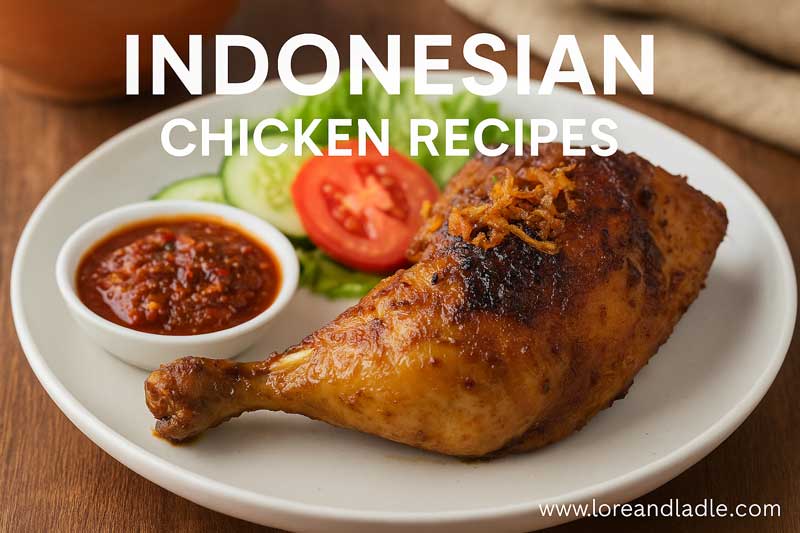
Indonesia offers a vibrant circle of crispy foods that travel well into American dining rooms. Kerupuk, or crackers, provide a light, buoyant crunch that pairs with many meals. Ayam goreng, the crispy fried chicken, offers a satisfying crust and juicy interior. Tempe goreng presents a nutty, crisp bite with a firm texture. Bakwan jagung, corn fritters, deliver a sweet-savory snap, while pisang goreng, fried bananas, offer a caramel-soft contrast. Each item shows how heat, coating, and timing shape texture. Together, they illustrate a culinary philosophy that values texture as much as flavor.
How These Dishes Enter American Kitchens
American cooks and diners welcome these dishes for their clear technique and approachable flavors. Accessible ingredients—rice, peanuts, chilies, and familiar spices—combine with bold profiles that feel both exotic and comforting. In homes, restaurants, and markets, the aroma of sizzling sate or the crackle of a fried crust signals care and craft. These dishes invite shared tasting experiences, where friends and family explore new textures and savor familiar comforts in harmony.
The Craft Behind Crunch and Charm
Crispiness in Indonesian dishes often comes from precise frying or grilling, careful coating, and short, hot cooking. Double-frying can intensify a crust without drying the interior. Marinades and spice blends deepen flavor before the heat arrives. The result is a crisp exterior that yields to a tender heart. This balance—crisp exterior, juicy interior—defines many beloved dishes and showcases the artistry behind everyday cooking.
Pairings, Presentations, and Shared Moments
Sate Ayam pairs beautifully with steamed rice, lontong, or fragrant nasi. A small bowl of peanut sauce, a dab of kecap manis, and a spoonful of sambal elevate the plate. Crispy sides like kerupuk add texture contrasts that brighten the meal. Presentations favor simple elegance: skewers laid alongside bright greens, with a sprinkle of fried shallots for aroma. These moments highlight how Indonesian flavors can complement a wide range of dishes and occasions in American settings.
Flavor Journeys: Signature Marinades and Crisp-Edge Techniques
The heart of these dishes lies in their method. Marinades carry warmth and depth without heaviness. For sate Ayam, the interplay of spice and peanut sauce creates a memorable trip from first inhale to final bite. For crispy dishes, mastery shows in achieving crisp edges while preserving tenderness inside. Across both realms, technique and careful seasoning reveal a philosophy: good food invites exploration, respect for ingredients, and a celebration of texture as a key ingredient.
A Gentle Appreciation for Shared Culinary Expression
These Indonesian dishes show how flavor travels and finds new homes. They invite diners to observe craft, savor aroma, and enjoy textures that surprise and satisfy. The beauty lies not only in taste but in the thoughtful steps that bring a dish from market to table. In America, their presence enriches the culinary landscape with color, aroma, and a sense of craft that many diners deeply appreciate.
Final Thoughts: The Cultural Value and Culinary Significance
Sate Ayam and its crispy companions stand as testaments to skill, balance, and hospitality. They embody a culinary philosophy that honors layers of flavor, texture, and technique. In American dining scenes, they encourage curiosity, respect for craft, and joyful sharing. These dishes remind us that good food can be both comforting and exciting, a bridge between kitchens and conversations, a small celebration on a plate.