
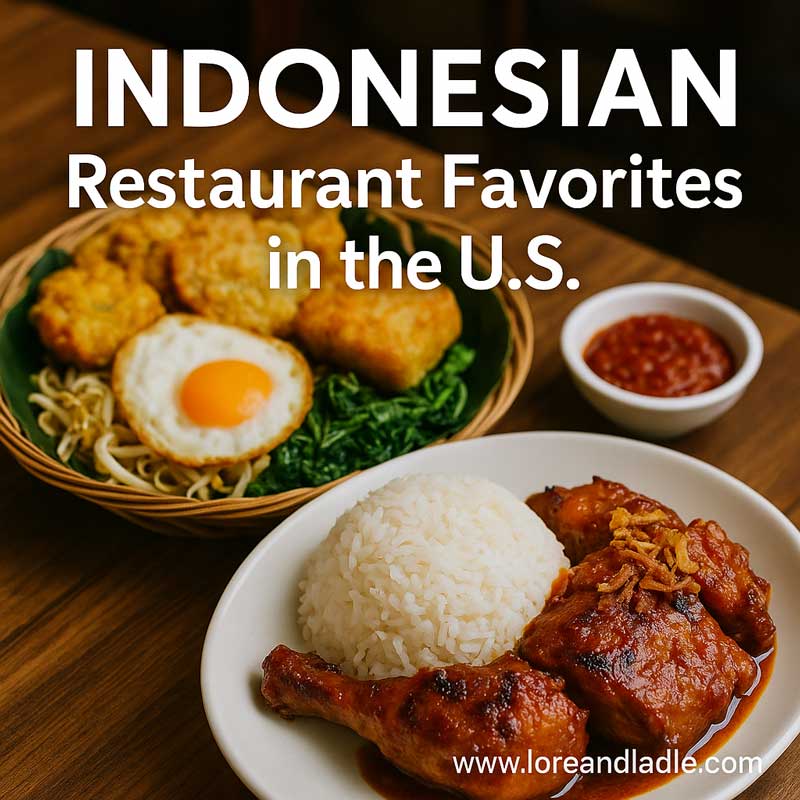
Sate Kambing: A Grilled Icon of Indonesian Flavor
Sate Kambing, or goat satay, is a bright thread in the fabric of Indonesian cooking. It features tender, marinated meat skewered on bamboo and grilled over charcoal until its edges kiss smoky perfection. Each bite blends spice, smoke, and a light sweetness from the glaze. The dish is often served with a rich peanut sauce and crisp accompaniments like cucumber slices and onions. This combination creates a harmony of textures: juicy meat, nutty sauce, and a refreshing crunch. in America, Sate Kambing is welcomed at markets, pop-ups, and family gatherings, celebrated for its bold aroma and inviting presentation. The dish invites sharing, conversation, and a sense of culinary craft that travelers and locals alike can savor.
The Craft Behind Sate Kambing
The magic starts with the meat. Goat presents a distinctive, clean flavor and a sturdy texture that stands up to bold spice. A fragrant marinade coats the meat with layers of character. Typical notes include garlic, shallots, coriander, cumin, turmeric, and a gentle chili kick. A touch of citrus or lime juice brightens the mix and helps tenderize. Skewers are long enough to allow even grilling, then brushed lightly as they cook. The peanut sauce, or bumbu kacang, is central: roasted peanuts blended with sweetness from palm sugar, a splash of tamarind for tang, and garlic, shallots, and a hint of chili. Everything comes together with a final drizzle of kecap manis or a similar sweet-savory glaze. The result is a dish that feels both rustic and refined, with an aroma that lingers as friends gather around the grill.
Budget-friendly Staples: Nasi Goreng and Mie Goreng
Sate Kambing sits among a family of budget-friendly Indonesian dishes that shine in American dining rooms and kitchen tables. Nasi Goreng (Fried Rice) uses leftover rice, vegetables, and protein for a satisfying, economical meal. The technique is quick: stir-fry ingredients in a hot wok, sculpt a golden surface, and finish with a fried egg or crisp shallots. Mie Goreng (fried noodles) follows a similar path with noodles, vegetables, and a savory-sweet sauce. Both dishes highlight balance—savory, slightly sweet, and with the right amount of umami. They travel well in American eateries, often appearing as comforting staples in bowls, plates, and shared meals. These dishes reward careful heat control, bright textures, and a sense of everyday cooking that remains accessible and satisfying.
Veggie and Protein Balance: Gado-Gado and Tempeh Dishes
Gado-Gado, a vegetable-forward dish, showcases how Indonesian cooking thrives on color, texture, and peanut sauce. Fresh greens, boiled potatoes, tempeh or tofu, cucumber, bean sprouts, and other vegetables are brought together by a lush peanut dressing. The dish emphasizes balance—cool vegetables against a warm, nutty sauce—and invites customization. Tempeh and tofu provide plant-based options with satisfying bite and flavor. In America, these plates become opportunities to explore vegetables with depth, using sesame oil, lime, and chili oil as finishing notes. The result is a bright, nourishing meal that feels both contemporary and rooted in traditional techniques.
The Cultural Value in American Food Culture
Sate Kambing and its Indonesian peers offer a bridge between home cooking and public dining. They invite curiosity, teach technique, and celebrate shared meals. These dishes reward careful sourcing of spices and fresh ingredients, yet they remain forgiving enough for home cooks to experiment. In American dining scenes, they appear as vibrant, approachable options that showcase bold flavors without losing everyday practicality. The cultural value lies in the joy of flavors that tell a story of seasoning, fire, and craft. They encourage cooks to respect ingredients, learn timing, and savor the moment when friends gather around a table to share a meal.
Tips for Enjoying and Recreating at Home
- Start with a simple marinade for Sate Kambing: garlic, shallots, coriander, cumin, turmeric, chili, salt, and a squeeze of lime. Let the meat rest to absorb the flavors.
- Use a charcoal grill if possible for that quintessential smoky finish. If you must use a home grill, preheat well and keep the skewers moving to avoid burning.
- Prepare a peanut sauce with roasted peanuts, a touch of palm sugar, tamarind or lime for brightness, garlic, and chili. Adjust thickness with a splash of warm water or coconut milk.
- For Nasi Goreng and Mie Goreng, balance soy, sweet soy (kecap manis), and a little heat. Add a fried egg or crunchy toppings to finish.
- Visit local markets or Indonesian restaurants to explore variations. Small changes in spice levels or vegetable choices can reveal new flavors while keeping the dish familiar.
- Pair these dishes with fresh cucumber, tomato slices, or crisp onions. These sides refresh the palate and enhance overall balance.
In sum, Sate Kambing and budget-friendly Indonesian dishes offer a warm invitation into a cuisine that values craft, balance, and sharing. They bring bold, comforting flavors to American tables and celebrate the beauty of simple ingredients prepared with care. Whether grilled at a backyard gathering or enjoyed at a bustling eatery, these dishes honor tradition while inviting everyone to savor a tasty, wholesome meal.