
Sate Kambing: A Flavorful Icon in Indonesian Cuisine
Today we explore Sate Kambing and Indonesian Rice Dishes & Bowls Favorites for Indonesian Food Fans in the U.S. This dish is a celebration of balance and craft. It speaks through smoky aroma, savory meat, and a bright peanut sauce. Sate Kambing sits at the heart of gatherings, where friends share, smile, and savor every bite. Its appeal lies not only in taste but in its reflective place within Indonesian cooking.
The Cultural Value of Sate Kambing
Sate Kambing is more than a meal. It is a ritual of care and neighborliness. Skewers are prepared with measured patience, grilled over charcoal, and served hot to guests. The process invites conversation, generosity, and a moment to honor the harvest of a season. In many regions, this dish travels from markets to tables, turning everyday meals into small celebrations. The spices tell stories of local farms, markets, and family recipes passed down with pride. For Indonesian food fans in the U.S., Sate Kambing becomes a bridge to home flavors while inviting curious friends to discover Indonesian warmth.
The Science of Flavor: Marinade, Grilling, and Peanut Sauce
Behind Sate Kambing lies a careful sequence of steps that emphasize aroma and texture. A fragrant spice paste lathers the meat with coriander, cumin, garlic, shallots, and subtle hints of nutmeg or cinnamon. The meat rests, then meets a hot grill where it creates a crisp, smoky edge while staying juicy inside. A peanut sauce adds depth: roasted peanuts, palm sugar, tamarind or lime, garlic, and a hint of chili mingle with a touch of soy or kecap manis for sweetness. The result is harmony: savory meat, nutty sauce, and a bright kick from fresh herbs and chilies. This balance is a core idea in Indonesian cooking—simple ingredients, smart combinations, lasting satisfaction.
Indonesian Rice Dishes & Bowls: A Rich Pairing
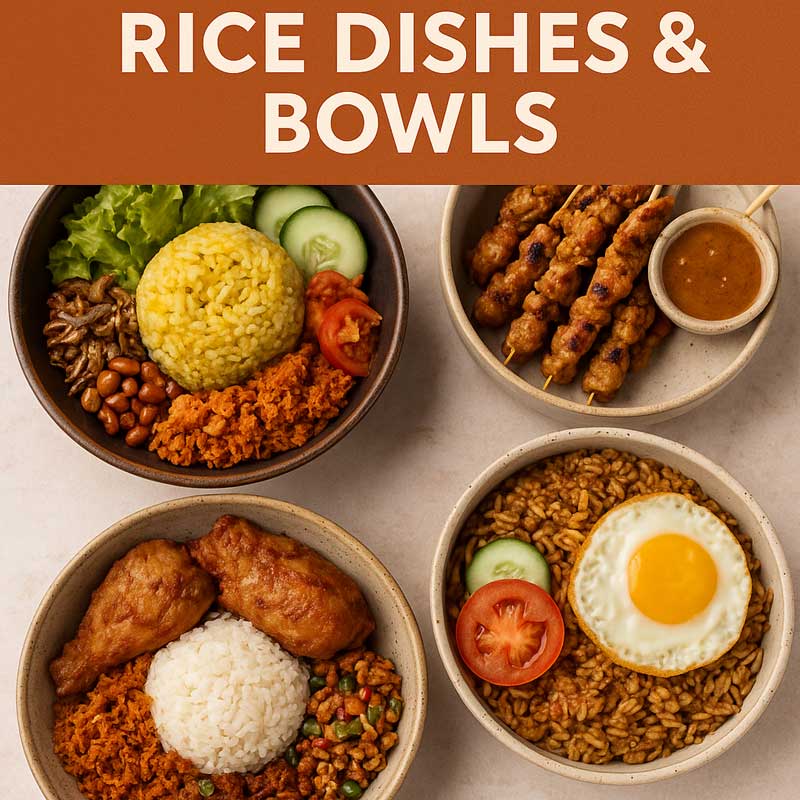
Rice is the stage on which Sate Kambing shines. Indonesian rice dishes offer a canvas for texture and color. Nasi Campur presents a little of everything: meat, vegetables, sambal, and rice in a single bowl. Nasi Uduk treats rice with coconut milk for a fragrant, silky base. Nasi Kuning brings yellow rice with aromatic turmeric and herbs. These bowls and plates pair beautifully with Sate Kambing, giving guests a complete tasting experience. The pairing highlights regional diversity and the joy of building a meal from small, thoughtful components. For Indonesian fans in the U.S., these bowls provide familiar anchors in new kitchens, encouraging exploration without losing identity.
Sate Kambing in the United States: A Local and Personal Flavor
In the United States, Sate Kambing appears in households, pop-up eateries, and Indonesian restaurants. Home Cooks adapt the spice level, cooking method, and accompaniments to fit their markets, equipment, and schedules. Charcoal grills evoke the outdoor gatherings many associate with Indonesian styles, but gas grills and broilers work well too. The dish invites experimentation while keeping core flavors intact: smoky meat, fragrant spices, and a lush, peanut-laced sauce. Across cities, Sate Kambing serves as a friendly ambassador, welcoming newcomers to a shared palate and offering a sense of culinary belonging.
The Shared Experience: Hospitality Through Food
Food has a social power. Sate Kambing and its rice companions are best enjoyed with others. A warm plate becomes a signal of hospitality, a pause for conversation, and a moment to celebrate togetherness. The dish fosters mindful eating—savoring the texture of tender meat, tasting the peanut’s richness, and appreciating the spice’s lift. In this way, Indonesian rice bowls and Sate Kambing contribute to a culture of care. They remind us that good food invites smiles, stories, and lasting memories.
How to Enjoy: Pairings, Tips, and Respect
- Start with a small bite to sense the balance of smoky meat, spice, and peanut.
- Pair with a bowl of steaming rice, fresh cucumber, and a bright sambal for contrast.
- Respect the heat. If the chili feels strong, add a touch of the peanut sauce to mellow the bite.
- Look for freshness in herbs and a glossy, aromatic sauce. Those details carry the essence of the dish.
- Share the plate. A ramekin of sauce for dipping makes the experience more communal and joyful.
Final Reflections
Sate Kambing, together with Indonesian Rice Dishes & Bowls, enriches the culinary landscape for Indonesian food fans in the U.S. It stands as a testament to craft, balance, and hospitality. The dish invites curiosity while honoring tradition. Above all, it offers a warm, welcoming path to enjoy Indonesian flavors—one skewer, one bowl, and one shared moment at a time.