
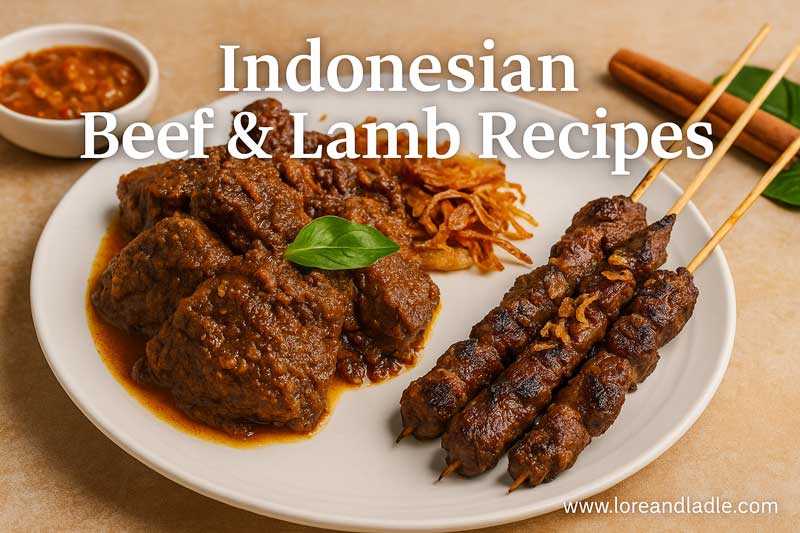
Sate Kambing and Other Saucy Indonesian Dishes Loved in America
Sate Kambing, or goat satay, shines as a vibrant thread in Indonesian cuisine. It pairs tender meat with a bright, nutty sauce. In American kitchens and restaurants, the dish invites curiosity and delight. The skewers glow with color, and the aroma invites conversation. This is food that celebrates shared moments around the grill and the table.
What Makes Sate Kambing Special
Sate Kambing stands out for its balance of flavors and textures. The meat is marinated with a blend of spices such as turmeric, coriander, garlic, and pepper. Lemongrass and other aromatic notes lift the meat, while the skewers keep every bite uniform and accessible. The result Is a cut that stays juicy inside, with a slightly caramelized edge outside. This harmony makes Sate Kambing both comforting and exciting to the palate.
The Sauce That Binds It All
The sauce is the heart of the dish. A rich peanut sauce brings warmth, sweetness, and a touch of acidity. It often features roasted peanuts, garlic, palm sugar, and a splash of lime or tamarind. Kecap manis, a sweet soy glaze, can deepen the sauce with a gentle, fruity sweetness. Some cooks add a hint of chili for brightness. The sauce is scooped or brushed on as the meat finishes grilling, creating a glossy coat that invites dipping and drizzling. Together, the meat and sauce create a luminous, inviting bite.
The Grill, the Marinade, and the Aroma
Cooking Sate Kambing is a celebration of technique. Charcoal or wood fire adds a supple smoke that amplifies the meat’s natural richness. Marinades soak in overnight or for several hours, building depth without overpowering the goat’s flavor. The skewer makes turning easy and helps control the heat evenly. Each flip releases a wave of fragrance—roasty, nutty, and slightly sweet—drawing people toward the grill and into the cooking moment.
Cultural Value in American Food Culture
in America, Sate Kambing and other saucy Indonesian dishes are welcomed for their bold yet approachable flavors. They offer a bridge between familiar grill culture and new, vibrant spices. Diners discover a cuisine that emphasizes balance: savory meat, nutty sauce, and bright acidity. The dishes invite sharing and tasting across generations, celebrating hospitality and curiosity. Menus and pop-up kitchens show how Indonesian flavors can shine in diverse settings, from casual gatherings to more adventurous dining rooms. The result is a respectful, joyful exploration of taste and craft.
Other Saucy Indonesian Dishes Loved in America
- Gado-Gado with peanut sauce offers a refreshing contrast of vegetables, crisp textures, and a creamy, nutty dressing.
- Rendang with its coconut-thick sauce showcases slow-simmered richness that feels cozy and celebratory.
- Ayam Penyet, paired with a lively sambal, delivers brightness and heat that enliven the plate.
- Mie Goreng and Nasi Goreng bring wok-fired excitement, accented by kecap manis and a kiss of chili.
- Sate Lilit and other skewered specialties appear with their own aromatic sauces, inviting bite-sized discoveries.
These dishes illustrate the range of Indonesian sauces and how they can spark curiosity, comfort, and connection in American dining spaces.
Pairings and Moments to Savor
Pair Sate Kambing with light salads, crunchy vegetables, or pickles that cut sweetness. A lime wedge or fresh herbs brighten the plate and the conversation. For beverages, refreshing teas, sparkling water, or lightly spiced aguas can balance the flavors. The goal is to enjoy the moment: a tasting that respects technique, aroma, and color, while inviting new stories at the table.
A Quiet Celebration of Flavor
Sate Kambing and its saucy companions offer more than taste. They reveal careful craft, regional spice wisdom, and a spirit of sharing. In American kitchens, these dishes become joyful rituals that honor flavor, technique, and hospitality. The beauty lies in the way simple elements—meat, spice, and sauce—come together to create something memorable. This is the charm and value of Indonesian cuisine in a warm, welcoming setting.