
Hook
In a sunlit kitchen by the sea, the ladle sips through a pot of warmth and scent. Seafood Thieboudienne with Seasonal Vegetables: What Makes This Senegalese Favorite Stand Out sits at the center, its steam weaving through the room. A grandmother hums softly as a child stirs, and the aroma of tomato, citrus, and fresh fish fills the air. Everyday life feels gentler when this dish is near, shared with neighbors who arrive with a smile and a basket of produce.
Jump to Recipe
Seafood Thieboudienne with Seasonal Vegetables: What Makes This Senegalese Favorite Stand Out is built on four anchors: fish, rice, tomato-based sauce, and seasonal vegetables. A quick guide:
– Core components: seafood, rice, tomato sauce, and fresh vegetables that reflect the season.
– Texture and balance: tender fish, fluffy rice, crisp-tender vegetables, all harmonized in a bright, savory sauce.
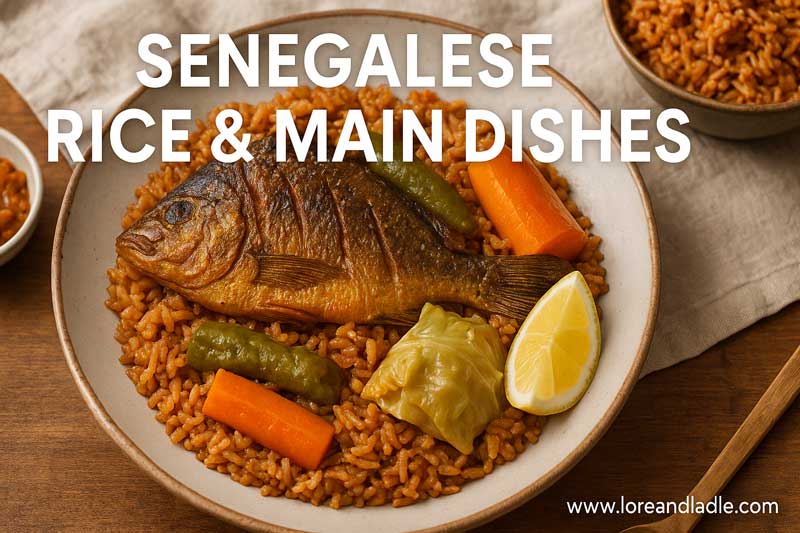
– Serving style: often plated on a large platter, with fish laid atop the rice and vegetables around the edges, ready to share.
– Variations: you can swap in different firm fishes or mix in shellfish, and adjust vegetables to what’s fresh at the market.
– Pairings: a squeeze of lemon, chopped herbs, or a light hot sauce to customize the finish.
The Deep Dive
Seafood Thieboudienne with Seasonal Vegetables: What Makes This Senegalese Favorite Stand Out captivates because it blends bright tomato flavors with the sea’s clean notes and a comforting rice backbone. The dish celebrates the generosity of seasonal produce, inviting cooks to adapt with what’s available while keeping a recognizable rhythm: a savory sauce, a bed of rice, and a crown of seafood.
Cultural value and setting
– It is a dish that brings people together, often shared on weekends or during family gatherings. A table spread becomes a story in motion as each person contributes a small piece of the meal.
– The dish is visually vibrant: red-orange tomato sauce, pale rice, and the glint of fish against a mosaic of vegetables. This harmony makes it a centerpiece for celebration and everyday meals alike.
Flavors and textures
– The sauce carries a bright tomato base with onion, garlic, and spices that wake the palate. It is neither heavy nor shy, striking a sunny balance that lingers on the tongue.
– Rice cooks in a savory bath, absorbing flavor while staying light and fluffy. The fish adds a gentle, meaty presence, often prepared to remain moist and delicate.
– Vegetables provide texture variety—soft in some bites, crisp in others—introducing color and freshness to each plate.
Key characteristics
– A single-plate experience that layers aroma, color, and warmth in every bite.
– A flexible recipe that honors seasonality, allowing cooks to highlight fresh vegetables like carrots, cabbage, okra, eggplant, peppers, or leafy greens.
– A comforting, hospitable mood, where guests feel invited to slow down and savor.
– An approachable flavor profile: familiar tomato notes with coral-bright accents and a touch of zest from citrus.
Occasions and ways people enjoy it
– Sunday family meals, market-day feasts, or simple weeknight gatherings that become little rituals.
– Served family-style on a large platter, with fish resting on top of the rice and vegetables arranged around it.
– Accompaniments often include fresh herbs, lemon wedges, and a mild hot sauce for those who like a little lift.
– It suits a wide range of tastes: robust and savory for lovers of seafood, bright and fresh for lighter appetites, and adaptable for different dietary needs.
Non-political traditions
– Shared spoons and communal plates create a sense of togetherness and care.
– Fresh herbs sprinkled over the dish elevate aroma and color, inviting guests to notice small, joyful details.
– The practice of choosing seasonal vegetables honors the market’s rhythm and the cook’s personal touch.
– A simple, welcoming ritual surrounds the first serving, signaling hospitality and gratitude for the meal.
Seafood Thieboudienne with Seasonal Vegetables: What Makes This Senegalese Favorite Stand Out remains a song of everyday life—a dish that travels gently from market to table, carrying warmth, texture, and flavor into home kitchens. Its beauty lies in how easily it adapts, yet how clearly it speaks of shared meals and honest ingredients.
The Recipe Card
Core ingredients
– White rice (preferably a traditional or broken variety)
– Firm white fish or a seafood mix (mackerel, snapper, or similar)
– Tomatoes or tomato paste
– Onion and garlic
– Seasonal vegetables (carrot, cabbage, okra, eggplant, peppers, or other fresh picks)
– Fresh herbs (parsley, cilantro)
– Oil for cooking
– Fish stock or water
– Lemon or lime wedges for serving
– Spices: paprika or chili, black pepper, thyme, bay leaf, salt
High-level method
– Sauté aromatics and build a bright tomato-based sauce with herbs and spices.
– Simmer the sauce with the seasonal vegetables until they are tender yet crisp enough to hold color.
– Cook rice in a flavorful stock to soak up the sauce and highlight the dish’s savory notes.
– Nestle the fish on top of the rice and sauce, allowing gentle heat to finish cooking the seafood.
– Serve on a large platter or plates, with the rice as a bed, the fish on top, vegetables around, and a final touch of herbs and citrus.
Seafood Thieboudienne with Seasonal Vegetables: What Makes This Senegalese Favorite Stand Out is a dish you can revisit with fresh eyes each season, always ready to welcome friends and family to the table.