
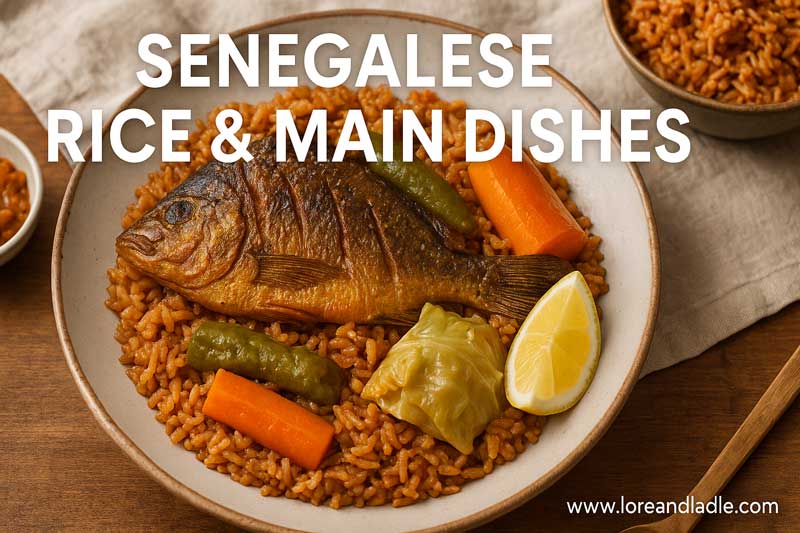
Discover Seafood Thieboudienne with Seasonal Vegetables: A Senegalese Classic Loved in the U.S.
Seafood Thieboudienne, also called Ceebu Jën, is a vibrant expression of Senegalese cooking. It blends fish, tomato sauce, rice, and a rainbow of seasonal vegetables into a single, inviting platter. in the United States, this dish is celebrated for its bold flavors and balanced textures, inviting both tasting and storytelling at the table. It stands as a warm reminder of how an everyday meal can carry fresh, regional character from coast to kitchen.
A Dish That Celebrates Seasonality
Seasonality shapes every bite of thieboudienne. In Senegal, cooks honor the harvest by choosing vegetables that peak at different times of the year. Carrots, cabbage, okra, eggplant, and leafy greens often accompany the dish, adapting to what is fresh and flavorful. This flexibility keeps the recipe lively while preserving its essential structure: a tomato-rich sauce, tender fish, and rice that absorbs the savory sauce. The result is a dish that feels both rooted in tradition and open to the colors of current markets.
Core Components: Rice, Fish, and Tomato Sauce
The heart of thieboudienne is simple yet profound. A bed of fluffy rice soaks up a deeply seasoned tomato sauce. The sauce carries onion, garlic, peppers, and a gentle kiss of citrus or herbs, creating a bright, savory foundation. A whole fish or sturdy fillets rest atop or beside the rice, bringing richness and a natural sweetness to the plate. The arrangement invites careful serving and a mindful appreciation of every element—the tender fish, the saucy rice, and the vibrant vegetables that brighten the platter.
The Role of Seasonal Vegetables
Seasonal vegetables are not garnish; they are essential partners in every bite. They add color, texture, and nutrition, while echoing the dish’s coastal and agrarian roots. Crunchy carrots meet soft, melted cabbage; crisp okra provides a mild snap next to silky rice. Eggplant and sweet potatoes contribute depth, while greens or leafy stems offer a fresh finish. When arranged around the rice and fish, the vegetables create a satisfying, multi-layered experience that highlights the relationship between land and sea.
Cooking Technique and Culinary Significance
Thieboudienne showcases balance, patience, and technique. A careful tomato base forms a fragrant sauce, then cooks mingle with stock and fish juices to deepen the flavor. The rice is cooked in part with the sauce, allowing the grains to absorb the mingled flavors. Vegetables are added with attention to their textures and colors, ensuring they remain distinct but harmonious with the sauce and rice. The final plate presents a thoughtful fusion of sea, soil, and season, celebrated for its precision and warmth.
Sensory Experience: Aroma, Texture, and Presentation
Imagine the aroma of simmered tomato, garlic, and herbs mingling with the sea breeze of fresh fish. The scent invites you to taste before you even lift a fork. The textures contrast pleasantly: tender fish, juicy rice that carries the sauce, and crisp vegetables that provide a refreshing bite. Visually, the platter is inviting—bright reds and oranges from the sauce and vegetables, softened by the golden rice. The presentation speaks of generosity and care, inviting sharing and conversation.
Cultural Value in Sharing and Everyday Meals
Thieboudienne is more than a meal; it is a social ritual. In many households, cooking together and serving a generous portion on a shared platter fosters connection. The act of passing portions from the center of the table reinforces hospitality and communal enjoyment. This dish supports conversations about a day’s news, family stories, and plans for the week, all while delivering a satisfying, culturally rich eating experience. It is a quiet celebration of togetherness, comfort, and the joy of fresh ingredients prepared with skill and care.
Modern Takes and Popularity in the United States
In the United States, chefs and Home Cooks alike gravitate toward thieboudienne for its bright flavors and adaptable structure. Seasonal produce is encouraged, which keeps the dish fresh across the year. Restaurants introduce refined versions with precise fish selections and thoughtful plating, while home cooks enjoy the opportunity to customize vegetables to what’s available locally. The dish becomes a bridge that invites curiosity, appreciation, and a respectful dialogue about traditional technique and modern taste.
Pairings and Serving Traditions
Serving thieboudienne alongside a light salad or fresh citrus slices complements the dish’s tomato base. A small portion of hot pepper sauce offers a traditional kick for those who enjoy a touch of heat. In some tables, a simple accompaniment of sliced onions or herbs enhances aroma and balance. The goal is to preserve the dish’s harmony—sea, land, and season working together—while offering options that suit different palates.
Conclusion: A Timeless Favorite in a Modern Kitchen
Seafood Thieboudienne with Seasonal Vegetables stands out for its cultural value and culinary significance. It embodies balance, freshness, and community in a single, generous serving. Its ability to travel—retaining its core identity while inviting local produce and personal touches—explains why it is a beloved classic in homes and restaurants across the United States. Embrace the dish as a celebration of taste, craft, and shared meals, and let its colors and aroma inspire a thoughtful, flavorful experience.