
Introduction
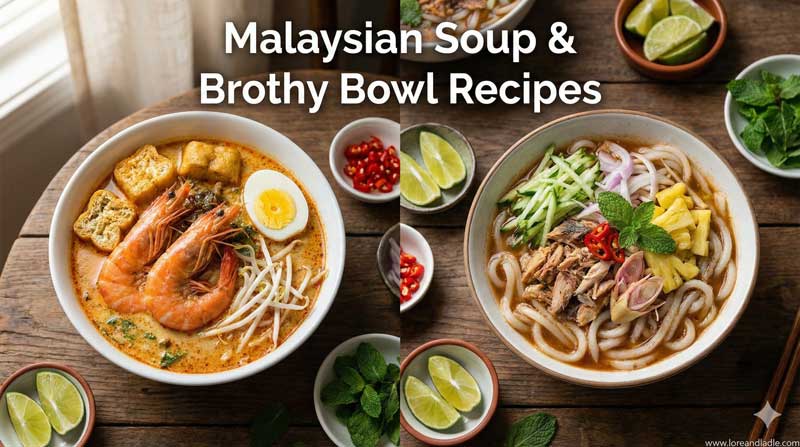
Seafood Tom Yum-Inspired Soup is more than a bowl of broth. It is a bright reflection of Malaysia’s coastal pantry and welcoming home kitchens. The aroma of lemongrass and galangal invites conversation, while the lively broth carries a smile-worthy balance of flavors. This dish anchors Malaysian comfort food with its fresh seafood, fragrant herbs, and clear, satisfying broth. It is easy to prepare, nourishing, and deeply reassuring to both daily meals and special gatherings.
Cultural Value in Malaysian Cuisine
In Malaysia, meals are social occasions. A pot of soup sits at the center of family tables and busy market stalls alike. Fresh seafood from local markets, garden herbs, and shared bowls knit everyday life with simple, lasting memories. This soup acts as a bridge between quick weeknight dinners and cheerful weekend gatherings. It honors local ingredients and cooking rhythms while inviting personal twists. The aroma draws people together, and the act of ladling portions becomes a small, caring ritual.
Culinary Significance and Flavor Profile
The soup showcases balance as its core strength. It blends sour notes from lime with a gentle, natural heat from chilies. Saltiness comes from fish sauce, while the seafood provides depth and umami. Lemongrass, galangal, and kaffir lime leaves release citrusy, peppery aromas that linger in the air. Fresh shrimp, fish fillet, and other seafood offer texture and sweetness. Fresh herbs, such as cilantro and Thai basil, finish the bowl with brightness. The result is a bright, aromatic broth that can stand alone or pair beautifully with jasmine rice or rice noodles. Malaysian cooks tailor Tom Yum-inspired flavors with local seafood and herbs, creating a distinct comfort food with a regional voice.
Techniques that Bring the Flavor to Life
Begin by bruising lemongrass to release essential oils. Gently simmer the aromatics to extract fragrance, then skim for a clear broth. Add seafood toward the end to keep it tender. Balance comes from a splash of lime juice and a touch of fish sauce, adjusted to taste. If you desire more depth, a light hint of palm sugar can soften the sour note with a touch of sweetness. Add fresh herbs just before serving to preserve their brightness. These steps reflect Malaysian cooking’s clarity and precision, delivering a vibrant bowl in a few thoughtful moves.
Regional Variations and Local Heart
Coastal towns give the dish their own voice. Penang households may favor a brisk, clear broth that highlights the sweetness of seafood. In Terengganu and Kelantan, markets offer a bounty of reef fish and shrimp shaped by local abundance. The soup may appear with or without rice noodles, and some families finish with a sprinkle of fried shallots for texture. Each variation stays rooted in the same family, showing how Malaysian cooks honor regional ingredients while keeping a shared comfort in the bowl.
Serving, Pairing, and the Experience
Serve hot in bowls that invite broad spoons and fragrant steam. Pair with steamed jasmine rice or glass noodles. Garnish with cilantro and lime wedges; fresh chilies add color and heat. The dish becomes a centerpiece for weeknight tables and festive occasions alike. It invites sharing and conversation, turning a simple meal into a small celebration of everyday life.
A Note on Accessibility and Joy
This soup is accessible to Home Cooks and professional kitchens alike. The technique is straightforward, and the flavors feel welcoming. The broth can be prepared in advance and finished with seafood at the last moment. The result remains vibrant and satisfying—a true Malaysian comfort food that travels well in memory.
Conclusion
Seafood Tom Yum-Inspired Soup embodies the warmth of Malaysian kitchens and the freshness of the coast. It honors ingredients, technique, and community. Try this comforting bowl next, and you will taste the balance of brightness, spice, and sea. You will sense the beauty of Malaysian cuisine and its place in everyday culinary life.